


- Arik Arkadi Sluzki
- •
- 6 Min Read
- •
- 7 seconds ago
Key Points
- Oracle’s valuation has compressed to levels not seen in three years, reflecting shifting investor sentiment.
- Cloud growth remains a central driver, but competition and execution risks persist.
- Market focus is shifting toward sustainable earnings and margins, not just expansion narratives.
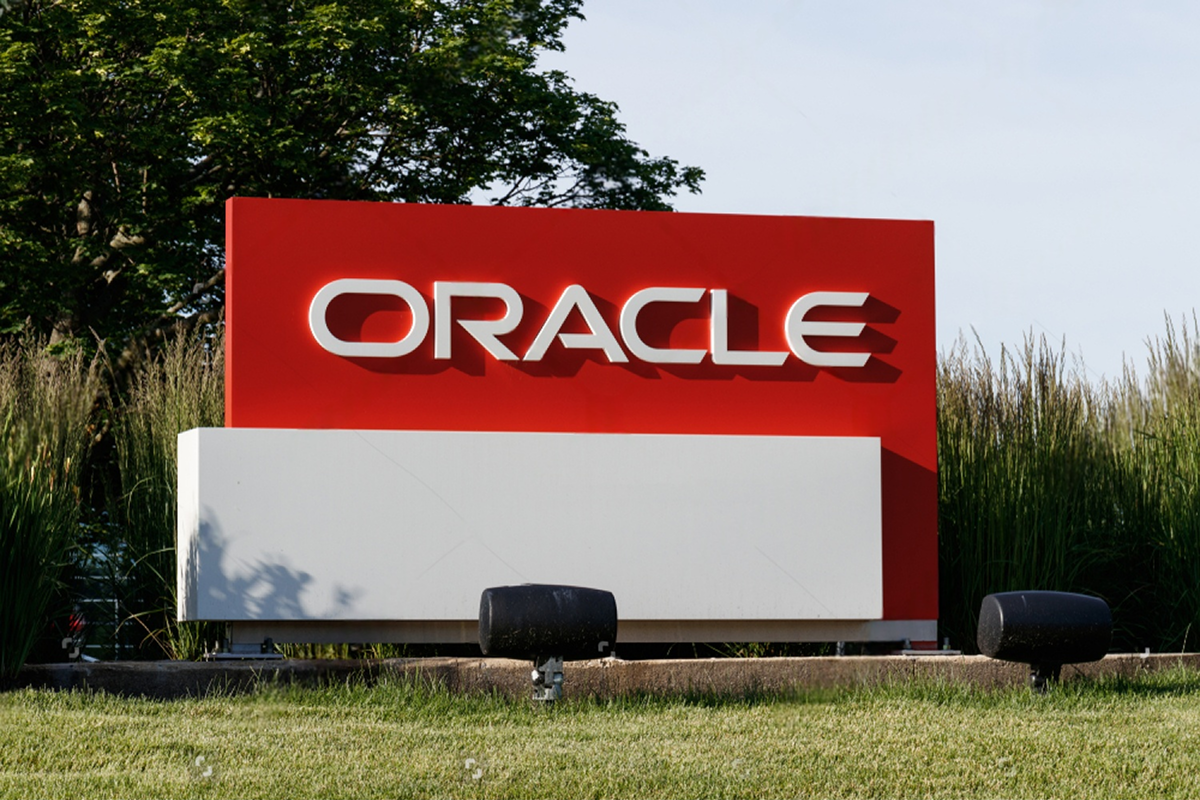
Oracle Corporation (NYSE: ORCL) is trading at valuation levels last seen several years ago, raising questions about whether the current pricing reflects an opportunity or deeper concerns about growth sustainability. The move comes as technology stocks face increased scrutiny amid changing interest rate expectations and evolving investor priorities.
Valuation Compression Reflects Market Repricing
Oracle’s recent valuation decline highlights a broader trend across the technology sector, where investors are reassessing high-growth narratives in favor of earnings visibility and margin stability. As interest rates remain elevated compared to prior years, the discount applied to future cash flows has increased, placing pressure on valuation multiples.
Historically, Oracle has traded at a premium due to its strong enterprise presence and recurring revenue base. However, the current environment has led to a re-rating of software and cloud companies, particularly those facing intensified competition or slower-than-expected growth trajectories.
For global investors, including those in Israel with exposure to US technology equities, this shift underscores the importance of balancing growth expectations with valuation discipline.
Cloud Expansion and Competitive Pressures
Oracle’s strategic pivot toward cloud computing remains central to its long-term narrative. The company has reported steady growth in its cloud infrastructure and applications segments, benefiting from enterprise demand for data management, AI integration, and digital transformation.
However, competition within the cloud space remains intense, with major players such as Amazon Web Services, Microsoft Azure, and Google Cloud continuing to expand aggressively. This competitive landscape places pressure on Oracle to maintain differentiation through performance, pricing, and customer retention.
While Oracle has demonstrated progress in securing large enterprise contracts, the pace of cloud adoption relative to peers remains a key factor influencing investor sentiment. Sustained growth in this segment is critical to justifying future valuation expansion.
Financial Performance and Market Expectations
Oracle’s financial profile continues to be supported by a stable base of recurring revenue and strong cash flow generation. This provides a level of resilience compared to more speculative technology companies. However, investors are increasingly focused on margin expansion and earnings growth rather than revenue alone.
The company’s ability to improve operating efficiency while scaling its cloud business will be closely monitored. Any signs of margin pressure or slower growth could reinforce current valuation constraints, while stronger-than-expected execution may support a re-rating.
In addition, broader market conditions—including interest rates and capital flows into technology sectors—will play a significant role in shaping Oracle’s stock performance.
Looking ahead, Oracle’s trajectory will depend on its ability to balance cloud-driven growth with operational discipline in a competitive environment. Investors are likely to focus on upcoming earnings reports, cloud segment performance, and margin trends as key indicators of progress. While the current valuation suggests a more cautious market stance, it also reflects a shift toward fundamentals as the primary driver of equity performance. The interplay between execution, competition, and macroeconomic conditions will ultimately determine whether Oracle can regain momentum in global portfolios.
Comparison, examination, and analysis between investment houses
Leave your details, and an expert from our team will get back to you as soon as possible
* This article, in whole or in part, does not contain any promise of investment returns, nor does it constitute professional advice to make investments in any particular field.
To read more about the full disclaimer, click here
- Ronny Mor
- •
- 7 Min Read
- •
- ago 1 hour
SKN | Is Intel’s Resurgence Real as AI Momentum and Strategic Buybacks Strengthen the Bull Case?
Intel’s recent stock rally is increasingly being viewed as more than a short-term rebound, as a combination of strategic capital
- ago 1 hour
- •
- 7 Min Read

Intel’s recent stock rally is increasingly being viewed as more than a short-term rebound, as a combination of strategic capital

- orshu
- •
- 6 Min Read
- •
- ago 1 hour
SKN | SoFi (SOFI) Growth Story Intact or Valuation Risk Building?
SoFi Technologies (NASDAQ: SOFI) remains a focal point for growth-oriented investors, trading near $15.77 during active market hours on
- ago 1 hour
- •
- 6 Min Read
SoFi Technologies (NASDAQ: SOFI) remains a focal point for growth-oriented investors, trading near $15.77 during active market hours on

- sagi habasov
- •
- 7 Min Read
- •
- ago 6 hours
SKN | Is Amazon’s Potential Globalstar Acquisition the Next Strategic Leap in the Satellite Connectivity Race?
The sharp rally in Globalstar’s stock underscores how strategic consolidation is rapidly reshaping the satellite communications sector. Reports that Amazon
- ago 6 hours
- •
- 7 Min Read

The sharp rally in Globalstar’s stock underscores how strategic consolidation is rapidly reshaping the satellite communications sector. Reports that Amazon
- Ronny Mor
- •
- 9 Min Read
- •
- ago 12 hours
SKN | Can Alibaba’s AI Chip Pivot and Q3 Earnings Reset Its Long-Term Growth Narrative?
Alibaba Group Holding (NYSE: BABA) is undergoing a strategic transformation as it doubles down on artificial intelligence and cloud infrastructure,
- ago 12 hours
- •
- 9 Min Read

Alibaba Group Holding (NYSE: BABA) is undergoing a strategic transformation as it doubles down on artificial intelligence and cloud infrastructure,

