




- Ronny Mor
- •
- 6 Min Read
- •
- 1 month ago


Key Points
- OpenAI has reportedly acquired tens of thousands of Mac mini and Mac Studio computers for reinforcement learning and computer-use AI agents.
- Anthropic is reportedly accessing Mac mini capacity through Amazon Web Services, highlighting a different approach to deploying specialized computing infrastructure.
- The growing use of Apple hardware for AI workloads could create a new enterprise demand channel for Apple while expanding AWS’s role in specialized AI computing.

OpenAI and Anthropic are reportedly taking different approaches to using Apple hardware for artificial-intelligence workloads, highlighting how AI infrastructure is expanding beyond conventional data-center GPUs. OpenAI has reportedly purchased tens of thousands of Mac mini and Mac Studio systems for reinforcement learning and computer-use agents, while Anthropic is renting Mac capacity through Amazon Web Services.
OpenAI’s Mac Strategy Targets Computer-Use AI
OpenAI’s reported purchases are linked to reinforcement learning and the development of computer-use agents. These systems are designed to interact directly with computers, including navigating software interfaces, clicking, typing and completing tasks through graphical environments.
Such workloads can require large numbers of computing devices operating simultaneously. Apple’s silicon architecture, which combines processing and graphics capabilities with unified memory, can provide an alternative platform for certain AI applications. The compact design of the Mac mini also makes it practical to deploy large fleets of relatively small computers.
The reported scale of OpenAI’s purchases is significant because it demonstrates that AI infrastructure demand is not limited to the enormous GPU clusters typically associated with training large foundation models. Specialized agent development can create demand for different types of computing hardware, potentially opening additional markets for established technology suppliers.
Anthropic and AWS Highlight the Cloud Alternative
Anthropic is reportedly pursuing a different infrastructure strategy by renting Mac mini capacity through Amazon Web Services rather than acquiring the hardware directly. The approach allows the AI company to access specialized computing resources while reducing the need to purchase, deploy and maintain a large physical fleet itself.
The arrangement also illustrates the growing role of cloud providers in making specialized hardware available on demand. For AI companies, cloud access can provide greater flexibility as workloads change, while providers can monetize hardware through recurring infrastructure services.
Amazon has a major strategic relationship with Anthropic, including substantial commitments to AWS computing capacity for training and deploying Claude. Offering Apple-based computing alongside its own AI infrastructure could allow AWS to address a wider range of workloads as AI development becomes increasingly specialized.
What the Mac AI Demand Could Mean for Apple and Investors
For Apple, increased demand from AI laboratories could represent an emerging enterprise opportunity for the Mac. The company has increasingly positioned its Mac lineup as capable of handling demanding AI applications, particularly as developers experiment with local inference, agentic systems and other workloads that can benefit from substantial on-device computing resources.
However, it remains uncertain whether purchases at this scale will become a broader industry trend or remain concentrated among a limited number of major AI companies. The economics of using Mac hardware for AI will depend on performance, energy efficiency, software compatibility and the cost of alternative cloud and accelerator infrastructure.
Going forward, investors will watch whether OpenAI’s reported deployment expands, whether other AI companies adopt similar hardware strategies and how AWS develops its specialized computing offerings. The broader significance is that the AI infrastructure market is becoming more diverse, with demand extending from massive GPU data centers to fleets of smaller systems designed for increasingly capable AI agents.
Comparison, examination, and analysis between investment houses
Leave your details, and an expert from our team will get back to you as soon as possible
* This article, in whole or in part, does not contain any promise of investment returns, nor does it constitute professional advice to make investments in any particular field.
To read more about the full disclaimer, click here
- Arik Arkadi Sluzki
- •
- 7 Min Read
- •
- ago 10 hours
SKN | Super Micro Contractor Pleads Guilty in Scheme to Divert Nvidia AI Servers to China
A contractor associated with Super Micro Computer has pleaded guilty to participating in a scheme to illegally export computer
- ago 10 hours
- •
- 7 Min Read
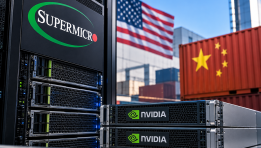
A contractor associated with Super Micro Computer has pleaded guilty to participating in a scheme to illegally export computer
- Arik Arkadi Sluzki
- •
- 6 Min Read
- •
- ago 11 hours
SKN | Qualcomm and Arm Jury Delays Verdict in High-Stakes Licensing Dispute
A Delaware jury did not reach a verdict Friday in Qualcomm's lawsuit against Arm Holdings, leaving a closely watched
- ago 11 hours
- •
- 6 Min Read

A Delaware jury did not reach a verdict Friday in Qualcomm's lawsuit against Arm Holdings, leaving a closely watched

- omer bar
- •
- 6 Min Read
- •
- ago 14 hours
SKN | Can Nvidia’s $1 Billion Science Investment Create New Growth Opportunities for Investors?
A Five-Year Commitment to U.S. Scientific Research Nvidia is committing $1 billion over five years to advance scientific research in
- ago 14 hours
- •
- 6 Min Read
A Five-Year Commitment to U.S. Scientific Research Nvidia is committing $1 billion over five years to advance scientific research in

- Ronny Mor
- •
- 6 Min Read
- •
- ago 16 hours
SKN | Tesla Rebrands Full Self-Driving as Assisted Driving in Europe Amid Regulatory Push
Tesla has changed the name of its Full Self-Driving software to Tesla Assisted Driving across its European websites, marking
- ago 16 hours
- •
- 6 Min Read

Tesla has changed the name of its Full Self-Driving software to Tesla Assisted Driving across its European websites, marking
