


- orshu
- •
- 7 Min Read
- •
- 46 minutes ago
Key Points
- Oil prices have reached their highest settlement since mid-2022, driven by escalating Middle East supply disruptions.
- Geopolitical tensions are tightening supply expectations, fueling inflation concerns and market volatility.
- Rising crude prices are reshaping equity sector performance, benefiting energy stocks while pressuring rate-sensitive assets.
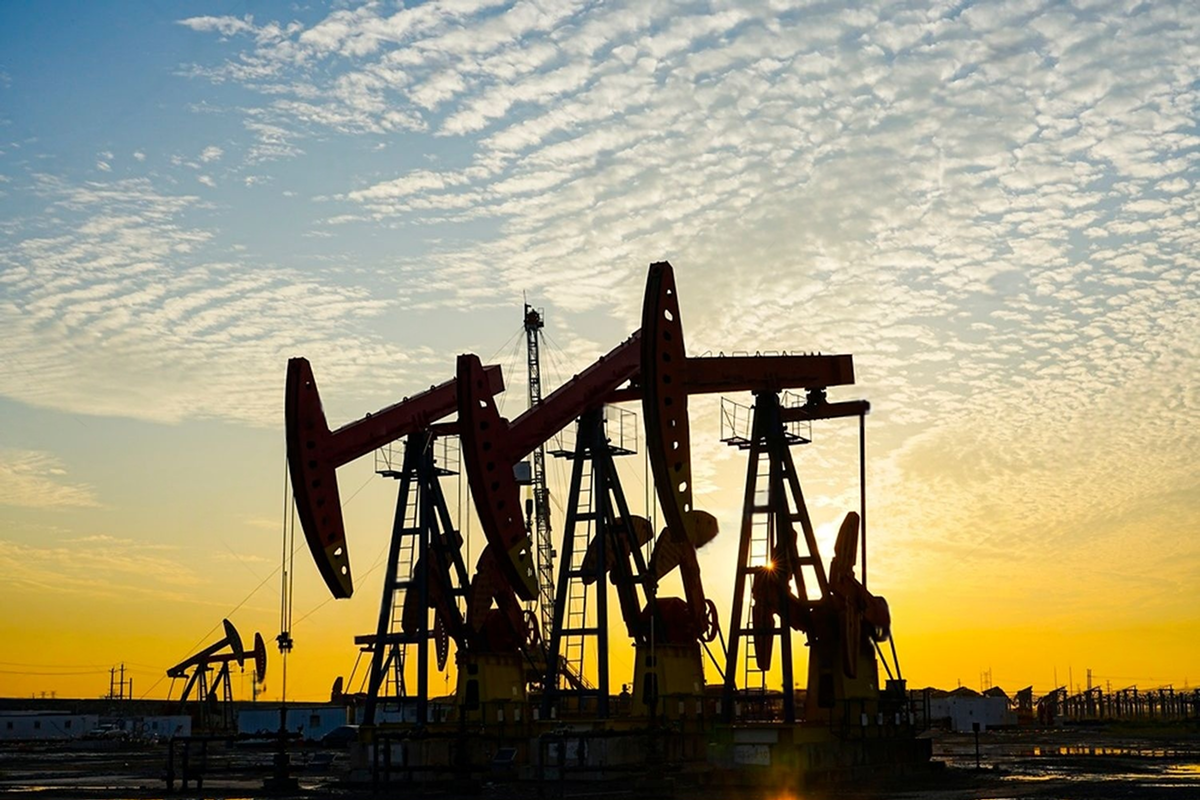
Global oil markets have surged to their highest levels since July 2022, reflecting mounting concerns over supply disruptions in the Middle East. The sharp move underscores how quickly geopolitical developments can reshape commodity markets, with ripple effects across inflation expectations, central bank policy, and global equity performance.
Supply Disruptions Drive Oil’s Sharp Rally
The recent surge in crude oil prices has been largely attributed to escalating geopolitical tensions affecting key production and transportation routes in the Middle East. The region accounts for a significant share of global oil supply, making it particularly sensitive to conflict-related disruptions.
Market participants are closely monitoring developments around critical chokepoints such as the Strait of Hormuz, where even minor disruptions can materially affect global supply flows. Concerns about reduced output or logistical bottlenecks have led traders to price in a tighter supply environment.
This tightening dynamic is occurring alongside relatively stable demand, particularly from large economies in Asia and emerging markets. As a result, the balance between supply and demand has shifted, contributing to upward pressure on prices and reinforcing the role of oil as a key macroeconomic driver.
Stock Market Reaction and Sector Rotation
The rally in oil prices has triggered notable shifts in global equity markets. Energy sector stocks, including oil producers, refiners, and integrated energy companies, have generally outperformed broader indices as higher crude prices support revenue and margin expansion.
Conversely, sectors sensitive to input costs—such as transportation, airlines, and manufacturing—have faced increased pressure. Rising fuel costs can compress margins and reduce profitability, particularly in industries with limited pricing power.
For investors in Israel and Europe, the implications are particularly relevant. Energy import dependency means that higher oil prices can feed into broader inflation, influencing central bank decisions and consumer spending patterns. Additionally, Israeli energy companies involved in natural gas production may experience indirect benefits as global energy prices rise.
At the index level, elevated oil prices can contribute to increased market volatility, as investors reassess risk exposure and sector allocations. The interplay between energy gains and broader market weakness often reflects shifting investor sentiment in uncertain environments.
Inflation, Interest Rates, and Global Policy Implications
One of the most significant implications of rising oil prices is their impact on inflation. Energy costs are a key component of consumer price indices, and sustained increases can complicate the outlook for central banks.
For the Federal Reserve and other major central banks, higher oil prices may delay or limit the pace of interest rate cuts. Policymakers must balance the need to control inflation with the risk of slowing economic growth, particularly in an environment already characterized by mixed macroeconomic signals.
Bond markets have responded accordingly, with yields remaining elevated as investors factor in the possibility of a prolonged higher-rate environment. Currency markets have also reacted, with the U.S. dollar maintaining relative strength amid global uncertainty.
These dynamics highlight the interconnected nature of commodity markets and monetary policy, where shifts in one area can quickly influence broader financial conditions.
Looking ahead, the trajectory of oil prices will depend on the evolution of geopolitical developments in the Middle East, as well as global supply responses from major producers. Investors will closely monitor indicators such as production levels, shipping activity, and diplomatic developments that could either escalate or ease tensions. Sustained high oil prices could reinforce inflationary pressures and shape central bank policy decisions, while also driving continued sector rotation within equity markets. As uncertainty remains elevated, energy markets are likely to remain a central focus for global investors assessing both risk and opportunity.
Comparison, examination, and analysis between investment houses
Leave your details, and an expert from our team will get back to you as soon as possible
* This article, in whole or in part, does not contain any promise of investment returns, nor does it constitute professional advice to make investments in any particular field.
To read more about the full disclaimer, click here
- orshu
- •
- 6 Min Read
- •
- ago 2 minutes
SKN | Markets Sink on March 20, 2026 as Volatility Surges and Global Sell-Off Intensifies
U.S. equity markets closed sharply lower on Friday, March 20, 2026, as a surge in volatility and renewed macro concerns
- ago 2 minutes
- •
- 6 Min Read

U.S. equity markets closed sharply lower on Friday, March 20, 2026, as a surge in volatility and renewed macro concerns

- omer bar
- •
- 7 Min Read
- •
- ago 51 minutes
SKN | Is Copper Signaling a Global Slowdown as War and Inflation Pressures Mount?
Copper prices are flashing warning signs for the global economy as geopolitical tensions in the Middle East trigger a broad
- ago 51 minutes
- •
- 7 Min Read

Copper prices are flashing warning signs for the global economy as geopolitical tensions in the Middle East trigger a broad

- sagi habasov
- •
- 7 Min Read
- •
- ago 1 hour
SKN | Fed Policy Outlook in Focus: Why the Path to Rate Cuts Is Becoming Increasingly Complex
The Federal Reserve is facing an increasingly complex policy environment as investors and strategists reassess the trajectory of interest
- ago 1 hour
- •
- 7 Min Read

The Federal Reserve is facing an increasingly complex policy environment as investors and strategists reassess the trajectory of interest

- Ronny Mor
- •
- 7 Min Read
- •
- ago 2 hours
SKN | Energy Market Warning: Qatar Signals Geopolitical Risks as Iran Tensions Threaten Global Supply Stability
Global energy markets are increasingly focused on geopolitical developments after a senior Qatar energy executive warned of the risks
- ago 2 hours
- •
- 7 Min Read

Global energy markets are increasingly focused on geopolitical developments after a senior Qatar energy executive warned of the risks

