


- sagi habasov
- •
- 8 Min Read
- •
- 42 minutes ago
Key Points
- Oil prices stabilized after a sharp decline as Donald Trump moderated earlier threats targeting Iran’s energy sector.
- Traders reassessed geopolitical risk premiums that had recently pushed crude prices higher.
- The shift in rhetoric eased concerns about potential supply disruptions in the Middle East.
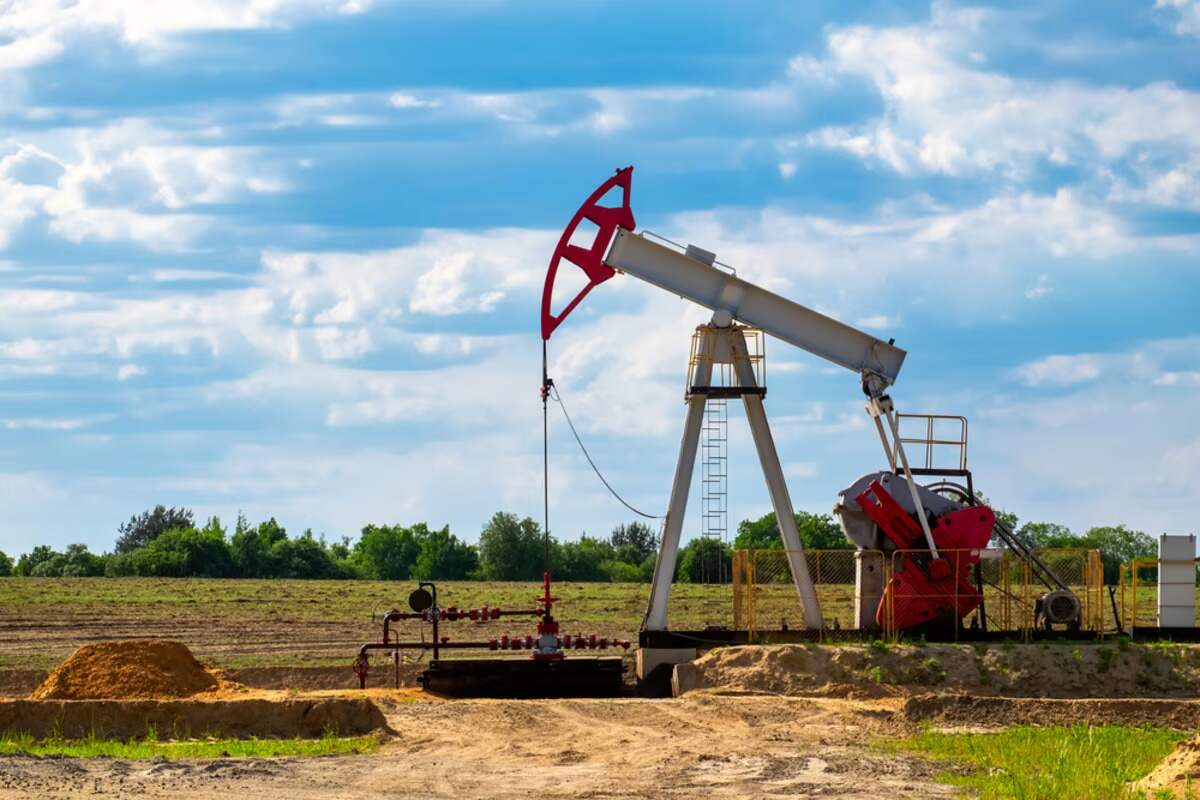
Oil prices held near recent lows after a steep decline, as former U.S. President Donald Trump appeared to walk back earlier threats directed at Iran’s energy sector. The change in tone helped calm markets that had recently priced in heightened geopolitical risk and potential disruptions to global crude supply.
The retreat in prices reflects how sensitive the oil market remains to political signals from Washington and the Middle East. Even minor shifts in rhetoric can quickly influence expectations around sanctions, shipping routes, and supply flows in a market already navigating tight inventories and uncertain global demand.
Geopolitical Premium Begins to Fade
Crude oil markets had previously moved higher as traders reacted to strong rhetoric suggesting potential new pressure on Iran’s oil exports. Such threats typically raise concerns about supply constraints, particularly since Iran remains a significant oil producer capable of exporting more than 1.5 million barrels per day under certain conditions.
However, the latest comments signaling a softer approach toward Iran’s energy sector prompted investors to reassess those risks. As a result, part of the geopolitical premium that had been built into crude prices quickly unwound.
Geopolitical tensions in the Middle East have historically played a major role in shaping oil market volatility. Any indication that diplomatic or political pressure may ease tends to remove immediate concerns about supply disruptions, particularly in key shipping routes such as the Strait of Hormuz, through which roughly one-fifth of global oil flows.
The reaction highlights how crude markets often respond more to expectations than to actual supply changes.
Oil Supply Dynamics Remain in Focus
Despite the decline triggered by easing political tensions, the broader oil supply picture remains complex. OPEC+ production policies, global demand recovery trends, and inventory levels continue to shape price movements.
Iran’s production capacity remains a key factor within this landscape. If sanctions pressure were to ease or enforcement weaken, Iranian exports could increase further, adding supply to global markets. Conversely, renewed geopolitical tension could quickly reverse the current price decline.
Meanwhile, global oil demand continues to show mixed signals. Asian consumption growth remains a central driver for crude markets, while economic uncertainty in Europe and slower industrial activity in parts of China have tempered demand expectations.
Energy traders are therefore balancing geopolitical developments with underlying supply-demand fundamentals, which currently present a more neutral outlook for crude prices.
Market Reaction Across Energy Assets
The decline in crude prices also influenced broader energy markets. Shares of oil producers and energy-related equities experienced modest pressure as investors adjusted expectations for near-term revenue tied to crude benchmarks.
Currency markets in energy-exporting economies also reacted cautiously. Oil-sensitive currencies often move in tandem with crude price fluctuations, particularly in countries heavily dependent on energy exports.
For global investors, the latest price move underscores how quickly sentiment can shift when geopolitical headlines change. Energy markets remain among the most reactive asset classes to political developments.
Monitoring developments related to Iran, U.S. foreign policy, and OPEC+ production decisions will remain essential for investors navigating the commodities landscape.
What Markets Are Watching Next
Looking ahead, oil traders will closely monitor whether the softer political tone toward Iran persists or if tensions escalate again. Any renewed sanctions pressure or geopolitical escalation in the region could quickly reintroduce a risk premium into crude prices.
At the same time, upcoming inventory reports, OPEC+ policy signals, and global economic indicators will help shape expectations for oil demand in the months ahead. For investors in Israel and globally, the intersection of geopolitics, supply management, and macroeconomic trends will likely remain the key forces driving volatility in the energy market.
As markets digest shifting political signals and evolving supply dynamics, oil prices may continue to fluctuate within a wide range, reflecting the fragile balance between geopolitical risk and global economic uncertainty.
Comparison, examination, and analysis between investment houses
Leave your details, and an expert from our team will get back to you as soon as possible
* This article, in whole or in part, does not contain any promise of investment returns, nor does it constitute professional advice to make investments in any particular field.
To read more about the full disclaimer, click here
- omer bar
- •
- 8 Min Read
- •
- ago 14 minutes
SKN | Could a 100% Oil Price Surge From an Iran Conflict Shake Global Stock Markets?
Rising geopolitical tensions involving Iran have revived concerns about potential disruptions to global oil supply. If a conflict were to
- ago 14 minutes
- •
- 8 Min Read

Rising geopolitical tensions involving Iran have revived concerns about potential disruptions to global oil supply. If a conflict were to

- orshu
- •
- 6 Min Read
- •
- ago 5 hours
SKN | Gold Rebounds From Session Lows as Trump Signals ‘Productive’ Iran Talks—Safe-Haven Demand Eases?
Gold prices trimmed earlier losses after former U.S. President Donald Trump described recent discussions with Iran as “productive,” easing
- ago 5 hours
- •
- 6 Min Read

Gold prices trimmed earlier losses after former U.S. President Donald Trump described recent discussions with Iran as “productive,” easing

- sagi habasov
- •
- 6 Min Read
- •
- ago 7 hours
SKN | Is Gold Losing Its Safe-Haven Status as Geopolitics Give Way to Inflation Fears?
Gold and silver markets are undergoing a sharp recalibration as geopolitical tensions momentarily ease while inflation pressures intensify. After suffering
- ago 7 hours
- •
- 6 Min Read

Gold and silver markets are undergoing a sharp recalibration as geopolitical tensions momentarily ease while inflation pressures intensify. After suffering

- Ronny Mor
- •
- 6 Min Read
- •
- ago 1 day
SKN | Surging Oil Prices Force Latin America to Reassess Energy Strategies
The recent surge in global oil prices has sent ripples across Latin American economies, prompting policymakers to reevaluate energy strategies
- ago 1 day
- •
- 6 Min Read
The recent surge in global oil prices has sent ripples across Latin American economies, prompting policymakers to reevaluate energy strategies

