


- omer bar
- •
- 6 Min Read
- •
- 16 seconds ago
Key Points
- Philippine inflation accelerated to a 20-month high, driven primarily by surging oil and energy prices.
- Rising consumer costs are prompting investors and policymakers to reassess monetary policy and fiscal measures.
- Global energy volatility is creating ripple effects for emerging market economies, including the Philippines.
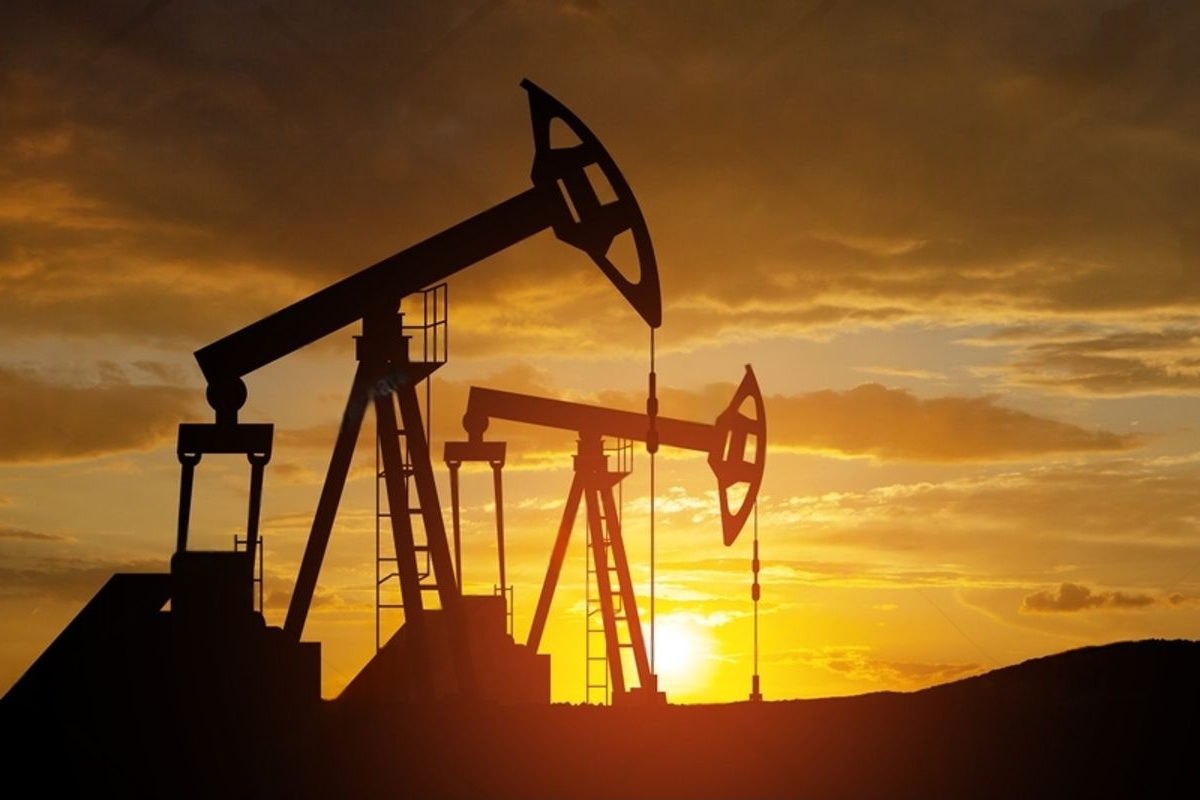
The Philippines reported a sharp rise in consumer prices, with inflation reaching a 20-month high as surging oil prices intensified cost pressures. The spike in energy costs is adding to existing price pressures across food, transport, and industrial sectors, highlighting vulnerabilities in the country’s economy to global commodity shocks. Market participants are closely monitoring the situation for signals on potential interest rate adjustments and broader macroeconomic impacts.
Drivers of Inflation: Oil and Energy Costs
The latest data indicate that fuel and energy expenses were key contributors to the inflation surge, with global crude oil price fluctuations directly affecting domestic gasoline, diesel, and electricity rates. Analysts note that energy-intensive sectors, such as manufacturing and transport, are transmitting these cost increases to consumers, pushing headline inflation higher. The Philippines, as a net importer of oil, is particularly sensitive to international price swings, making local inflation prone to external shocks.
Economic observers also point out that while domestic demand remains steady, the inflation spike reflects the combination of external pressures and structural vulnerabilities in the supply chain. The surge in energy prices is not only raising household costs but also affecting business margins, potentially influencing corporate investment decisions and broader economic growth.
Monetary Policy Implications
The central bank of the Philippines is likely to monitor the inflationary trajectory closely, as sustained increases could prompt adjustments in interest rate policy. Investors are weighing the possibility of tighter monetary conditions to curb inflation expectations, which may influence domestic bond yields, credit growth, and foreign investment flows.
Historically, inflation driven by commodity shocks tends to require careful calibration, as aggressive rate hikes can slow economic growth while insufficient policy response can allow inflation to become entrenched. The current environment underscores the delicate balance policymakers must maintain between supporting growth and containing price pressures.
Global and Regional Market Impacts
The inflationary surge in the Philippines is part of a broader pattern affecting emerging markets exposed to global energy volatility. Rising fuel costs are contributing to regional price pressures, influencing both consumer behavior and corporate operations. For international investors, these developments highlight the interconnectedness of commodity markets and emerging economies, where shifts in oil prices can translate into equity and currency market volatility.
Regional trade partners and investors are likely to monitor Philippine inflation trends as an indicator of potential spillover effects, particularly for energy-importing nations and companies with exposure to Southeast Asia. The dynamics may also shape fiscal policies, subsidies, and strategic planning for businesses operating in energy-sensitive sectors.
Looking ahead, market participants will focus on updates regarding global oil prices, central bank communications, and domestic supply chain conditions. Any sustained increase in energy costs could prolong elevated inflation, prompting closer scrutiny of monetary and fiscal responses and shaping investment strategies in the Philippines and comparable emerging markets.
Comparison, examination, and analysis between investment houses
Leave your details, and an expert from our team will get back to you as soon as possible
* This article, in whole or in part, does not contain any promise of investment returns, nor does it constitute professional advice to make investments in any particular field.
To read more about the full disclaimer, click here
- Ronny Mor
- •
- 7 Min Read
- •
- ago 6 hours
SKN | Qatar LNG Tankers Reverse Course Near Strait of Hormuz — What It Signals for Global Energy Markets
Qatar-linked liquefied natural gas (LNG) tankers appeared to reverse or delay attempts to exit the Strait of Hormuz, highlighting the
- ago 6 hours
- •
- 7 Min Read

Qatar-linked liquefied natural gas (LNG) tankers appeared to reverse or delay attempts to exit the Strait of Hormuz, highlighting the

- orshu
- •
- 7 Min Read
- •
- ago 10 hours
SKN | Oil Prices Rise After Iran Rejects Ceasefire: Short-Term Spike or Start of a Broader Energy Rally?
Oil prices moved higher in recent trading after Iran rejected a potential ceasefire proposal, alongside renewed warnings from former
- ago 10 hours
- •
- 7 Min Read
Oil prices moved higher in recent trading after Iran rejected a potential ceasefire proposal, alongside renewed warnings from former

- omer bar
- •
- 9 Min Read
- •
- ago 22 hours
SKN | Oil Swings Near $110 as Ceasefire Talks Clash With Trump Ultimatum—Is Volatility the New Normal?
Oil markets are exhibiting extreme volatility as traders navigate a rapidly shifting geopolitical landscape, with prices swinging between gains and
- ago 22 hours
- •
- 9 Min Read

Oil markets are exhibiting extreme volatility as traders navigate a rapidly shifting geopolitical landscape, with prices swinging between gains and
- omer bar
- •
- 5 Min Read
- •
- ago 24 hours
SKN | Gold Rebounds as Reports Suggest Progress Toward Iran War Ceasefire
Global gold markets showed partial recovery following reports of potential talks on a ceasefire involving Iran, easing investor concerns over
- ago 24 hours
- •
- 5 Min Read

Global gold markets showed partial recovery following reports of potential talks on a ceasefire involving Iran, easing investor concerns over

