




- Ronny Mor
- •
- 6 Min Read
- •
- 10 hours ago


Key Points
- Global crude benchmarks ticked higher on Friday, October 30, with Brent consolidating near $115 a barrel and WTI defending $102 as market skepticism over fragile regional mediation outweighed early de-escalation optimism.
- The unwinding of supply risk premiums stalled after diplomatic drafts were dismissed as unacceptable terms, while persistent drone threats and maritime security alerts across the Gulf reinforced supply friction.
- For international allocators and Israeli financial markets, stubborn triple-digit crude prices preserve imported inflation pressures, elevate shipping risk premiums, and limit central bank easing latitude.
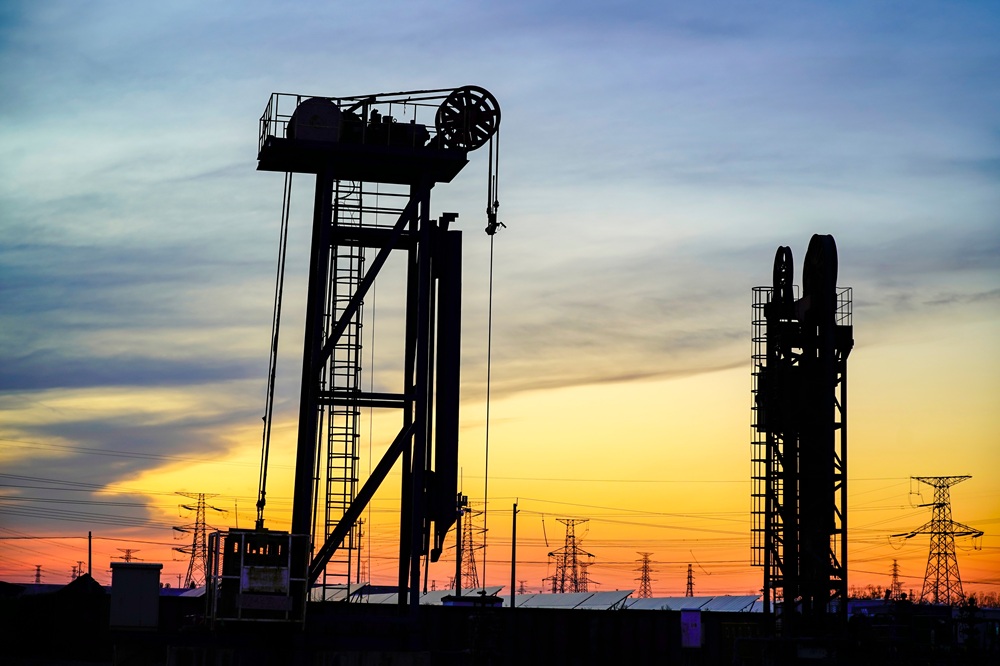
Crude oil futures turned higher on Friday, October 30, 2026, as energy trading desks reassessed the viability of diplomatic negotiations aimed at diffusing hostilities in the Middle East. After retreating earlier in the week on reports of mediated backchannel contacts, international benchmark Brent crude pushed back toward $115 per barrel, while U.S. West Texas Intermediate (WTI) held firmly above $102. The rebound reflects growing market skepticism that tentative diplomatic initiatives can secure a durable ceasefire before the impending U.S. midterm elections, compelling traders to price a persistent geopolitical risk premium back into physical energy contracts.
Diplomatic Deadlocks and Persistent Physical Threats Rebuild Risk Premiums
The renewed upward bias in crude contracts followed diplomatic pushback that dampened early optimism surrounding regional mediation. While Qatari-led efforts and bilateral exchanges offered brief market relief, subsequent reports that draft frameworks were rejected as unworkable halted the liquidation of speculative long positions. Commodity desks noted that without verifiable de-escalation protocols or mutual security guarantees between Washington, regional allies, and Tehran, algorithmic models and institutional energy funds quickly resumed building protective hedges against physical supply interruptions.
Simultaneously, tactical security incidents across critical transit routes continue to establish a solid pricing floor. Threats against Gulf energy processing infrastructure and commercial maritime traffic traversing the Red Sea and the Strait of Hormuz have kept marine hull insurance premiums elevated. Global commercial inventories—particularly distillate stocks running roughly 5% below historical five-year averages—leave downstream refiners with thin supply buffers, amplifying spot price volatility whenever diplomatic communiqués fail to deliver concrete progress.
Macroeconomic Transmission and Repercussions for Israeli Portfolios
The resilience of crude oil above $100 per barrel carries significant macroeconomic implications for global credit markets and Israel’s domestic economic landscape. Elevated baseline petroleum costs continue to complicate global disinflation trajectories, sustaining higher corporate input expenses and reinforcing restrictive central bank postures. For the Bank of Israel, persistent energy import costs and elevated maritime shipping surcharges present ongoing hurdles to domestic monetary easing, keeping local borrowing costs higher to safeguard the New Israeli Shekel (NIS) against imported price shocks.
On the Tel Aviv Stock Exchange (TASE), sustained energy volatility generates diverging sector outcomes. While Israel’s offshore natural gas developers benefit from elevated regional benchmark energy pricing and steady Mediterranean export commitments, the broader domestic manufacturing, retail, and transportation sectors face localized margin compression. Furthermore, persistent geopolitical premiums across regional maritime logistics keep sovereign credit default swaps elevated, prompting domestic institutional asset managers to maintain short-duration debt allocations and tactical foreign-currency hedges.
Outlook: Election Horizons, Tanker Transit Data, and Inventory Depletion
Moving into November, market participants will focus on whether backchannel regional mediation can produce a viable negotiating framework or if the expiration of key diplomatic windows will trigger renewed kinetic escalation. Investors should closely monitor commercial tanker transit volumes through key maritime choke points, physical inventory draws in North American and European delivery hubs, and forward guidance from OPEC+ regarding the management of spare production capacity. A failure to achieve a credible diplomatic off-ramp will likely keep crude benchmarks anchored near multi-month highs, maintaining upward pressure on cross-asset inflation expectations into the final quarter.
Comparison, examination, and analysis between investment houses
Leave your details, and an expert from our team will get back to you as soon as possible
* This article, in whole or in part, does not contain any promise of investment returns, nor does it constitute professional advice to make investments in any particular field.
To read more about the full disclaimer, click here
- omer bar
- •
- 7 Min Read
- •
- ago 9 hours
SKN | Gold Slips Toward $4,000 Support as Hawkish Fed Tightening Bets Outweigh Safe-Haven Demand
Gold extended its retreat on Friday, October 30, 2026, as market participants recalibrated expectations toward prolonged monetary tightening across major
- ago 9 hours
- •
- 7 Min Read

Gold extended its retreat on Friday, October 30, 2026, as market participants recalibrated expectations toward prolonged monetary tightening across major

- Arik Arkadi Sluzki
- •
- 6 Min Read
- •
- ago 15 hours
SKN | Exxon and Chevron Cancel ADIPEC Executive Trips as Regional Security Concerns Rise
ExxonMobil and Chevron have cancelled plans for senior executives to travel to Abu Dhabi for ADIPEC next week, according
- ago 15 hours
- •
- 6 Min Read

ExxonMobil and Chevron have cancelled plans for senior executives to travel to Abu Dhabi for ADIPEC next week, according

- sagi habasov
- •
- 7 Min Read
- •
- ago 17 hours
SKN | QatarEnergy Builds LNG Hedge as Hormuz Risks Reshape Global Gas Strategy
QatarEnergy is reshaping its global LNG strategy as persistent geopolitical risks around the Strait of Hormuz expose the vulnerability
- ago 17 hours
- •
- 7 Min Read

QatarEnergy is reshaping its global LNG strategy as persistent geopolitical risks around the Strait of Hormuz expose the vulnerability
- omer bar
- •
- 6 Min Read
- •
- ago 19 hours
SKN | Shell and TotalEnergies Post Strongest Quarterly Profits Since 2022 as Refining Margins Surge
Shell and TotalEnergies delivered sharply higher third-quarter profits on Thursday, benefiting from elevated energy prices and record refining margins
- ago 19 hours
- •
- 6 Min Read
Shell and TotalEnergies delivered sharply higher third-quarter profits on Thursday, benefiting from elevated energy prices and record refining margins
