





- Ronny Mor
- •
- 8 Min Read
- •
- 1 hour ago
Key Points
- Crude oil prices plunged more than 5% on Monday, falling to around $80 per barrel.
- The decline followed reports that the United States and Iran have reached a peace agreement aimed at ending months of conflict.
- The deal includes plans to reopen the Strait of Hormuz and lift naval blockades that have disrupted global energy markets.
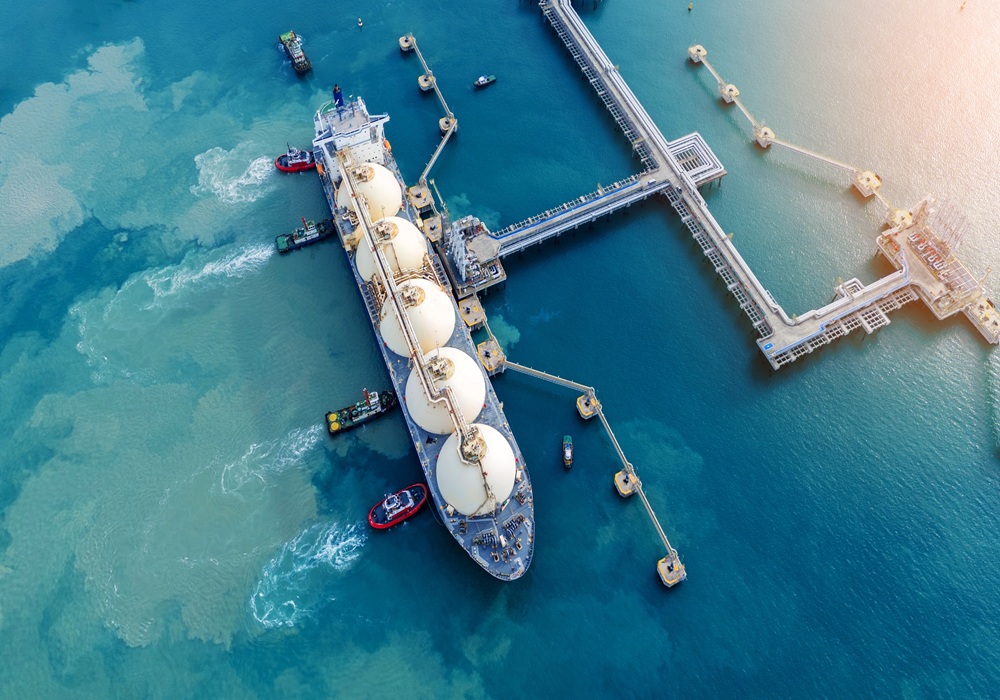
Oil Markets React to Breakthrough Agreement
Oil prices suffered their sharpest decline in weeks on Monday after reports emerged that the United States and Iran had reached a peace agreement designed to end the conflict that has disrupted global energy markets since late February.
Crude oil fell more than 5%, dropping to approximately $80 per barrel and reaching its lowest level in two months. The sharp selloff reflects growing expectations that global oil supplies could soon normalize after months of uncertainty surrounding one of the world’s most important energy transit routes.
The agreement represents a significant shift in market sentiment, with investors rapidly reducing geopolitical risk premiums that had supported higher oil prices throughout much of the conflict.
Strait of Hormuz Set to Reopen
A central component of the reported agreement is the planned reopening of the Strait of Hormuz by the end of the week.
The strategic waterway serves as one of the world’s most critical energy corridors, handling roughly one-fifth of global oil shipments. Since hostilities intensified earlier this year, disruptions to traffic through the strait have created significant volatility across global commodity markets.
The anticipated reopening is expected to restore normal shipping operations and improve the flow of crude oil from major Middle Eastern producers to international markets.
Investors view the development as a major step toward stabilizing global energy supply chains.
Blockades and Shipping Restrictions to End
President Donald Trump stated that oil shipments from the Persian Gulf could soon resume under the framework of the agreement.
The reported deal includes provisions for lifting U.S. naval restrictions affecting Iranian ports and restoring broader maritime commerce throughout the region.
The easing of shipping restrictions is expected to reduce transportation bottlenecks and improve access to global markets for energy exporters.
Market participants believe these developments could significantly increase available supply and help ease upward pressure on oil prices.
Nuclear Issues Remain Under Discussion
While the agreement addresses immediate security and shipping concerns, negotiations surrounding Iran’s nuclear program remain ongoing.
Reports indicate that future talks will focus on the framework governing Iran’s nuclear activities, with economic incentives potentially being offered in exchange for compliance with agreed commitments.
Iranian Deputy Foreign Minister Kazem Gharibabadi confirmed that an agreement had been reached and stated that the full text would be released following a formal signing ceremony expected to take place in Switzerland.
Investors continue to monitor these discussions closely, as future negotiations could influence both geopolitical stability and energy market dynamics.
Oil Market Disruptions Begin to Ease
The conflict has weighed heavily on global energy markets since it erupted in late February.
The near-closure of the Strait of Hormuz disrupted supply chains, increased shipping risks, and contributed to elevated oil prices throughout the spring. Those concerns fueled inflationary pressures in several major economies and complicated monetary policy decisions for central banks worldwide.
With a diplomatic breakthrough now appearing more likely, markets are beginning to price in a gradual return to more stable supply conditions.
The sharp decline in crude prices reflects confidence that some of the supply disruptions that drove energy costs higher may soon be reversed.
Impact on Global Markets
Lower oil prices could provide relief for businesses, consumers, and policymakers alike.
Reduced energy costs typically help lower transportation and manufacturing expenses while easing inflationary pressures throughout the economy. This may improve corporate profit margins and support consumer spending in the months ahead.
Financial markets have generally responded positively to signs of de-escalation in the Middle East, with investors increasingly shifting attention from geopolitical risks back toward economic growth and corporate earnings.
Outlook
The reported peace agreement marks one of the most significant geopolitical developments of the year and could reshape energy market expectations in the second half of 2026.
While uncertainties remain regarding the implementation of the agreement and future nuclear negotiations, the prospect of fully restoring oil flows through the Strait of Hormuz has dramatically improved market sentiment.
Investors will now focus on the formal signing of the agreement, the reopening timeline for the strategic waterway, and whether the reduction in geopolitical tensions leads to a sustained decline in global energy prices.
Comparison, examination, and analysis between investment houses
Leave your details, and an expert from our team will get back to you as soon as possible
* This article, in whole or in part, does not contain any promise of investment returns, nor does it constitute professional advice to make investments in any particular field.
To read more about the full disclaimer, click here- Lior mor
- •
- 8 Min Read
- •
- ago 3 weeks
SKN | Gold Loses Its Luster: Why UBS is Slashing Forecasts, and Is a Trend Reversal Underway?
The complex macroeconomic environment of 2026 continues to challenge traditional investment conventions, with the price of gold finding itself
- ago 3 weeks
- •
- 8 Min Read
The complex macroeconomic environment of 2026 continues to challenge traditional investment conventions, with the price of gold finding itself

- omer bar
- •
- 7 Min Read
- •
- ago 3 weeks
SKN | Gold Rebounds Toward Key Resistance as Investors Balance Inflation Fears and Fed Uncertainty
Gold prices moved higher at the start of the week, recovering toward the $4,557 per ounce level as investors reassessed
- ago 3 weeks
- •
- 7 Min Read

Gold prices moved higher at the start of the week, recovering toward the $4,557 per ounce level as investors reassessed
- Lior mor
- •
- 7 Min Read
- •
- ago 3 weeks
SKN | Oil Prices Sink After Trump Signals Progress in Iran Talks and Possible Hormuz Reopening
Global oil markets opened the week under renewed pressure after President Donald Trump indicated that negotiations with Iran regarding the
- ago 3 weeks
- •
- 7 Min Read
Global oil markets opened the week under renewed pressure after President Donald Trump indicated that negotiations with Iran regarding the
- omer bar
- •
- 8 Min Read
- •
- ago 1 month
SKN | Gold Price Outlook: Will $6,000 Happen This Year?
Gold’s Powerful Rally Continues Gold has remained one of the strongest-performing major assets during the current global economic cycle. Ongoing
- ago 1 month
- •
- 8 Min Read
Gold’s Powerful Rally Continues Gold has remained one of the strongest-performing major assets during the current global economic cycle. Ongoing


