


- Lior mor
- •
- 5 Min Read
- •
- 17 seconds ago
Key Points
- Oil prices climbed sharply following renewed threats from former President Donald Trump against Iran.
- U.S. stock futures fell, reflecting investor concerns over potential geopolitical disruptions.
- Market participants are weighing energy volatility against broader economic and trade dynamics.
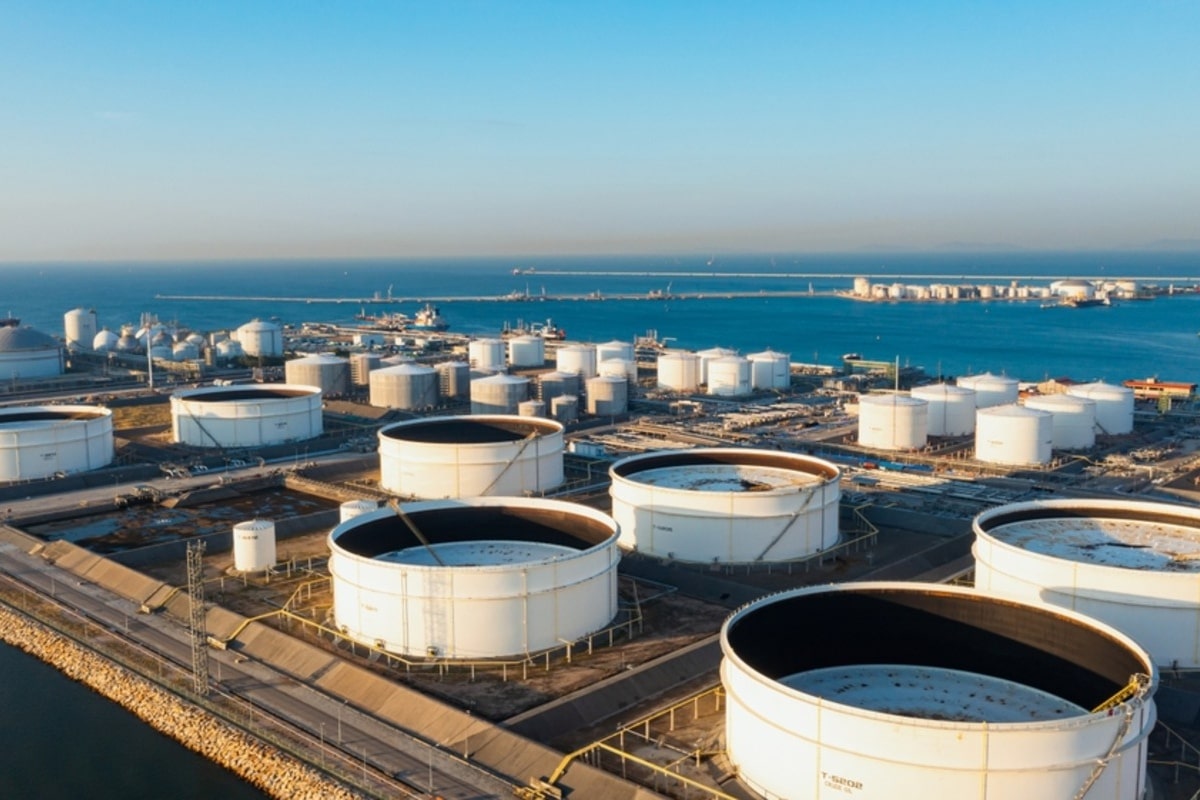
Global markets reacted with caution as geopolitical tensions escalated, pushing oil prices higher while U.S. equity futures softened. Former President Donald Trump’s intensified rhetoric against Iran has raised concerns about potential supply disruptions in the Middle East, creating uncertainty across energy and stock markets. The contrast between surging crude and wavering equities illustrates the growing sensitivity of markets to geopolitical risks and their potential economic ripple effects.
Oil Market Dynamics
Brent crude futures jumped 3.2% to $95.60 per barrel, while West Texas Intermediate (WTI) climbed to $90.15 per barrel. Analysts link the surge to investor anticipation of possible supply constraints if tensions escalate in the Persian Gulf. Middle Eastern oil exports account for a substantial share of global output, and threats to shipping routes or production facilities can quickly tighten markets. Traders are also closely monitoring OPEC+ production decisions and inventory data, both of which could further influence short-term price movements.
Equity Futures and Investor Sentiment
U.S. stock futures showed modest declines, with S&P 500 e-mini contracts down 0.6% and Nasdaq futures off 0.8%. Investors cited risk aversion due to the potential for geopolitical shocks, which could affect multinational corporations exposed to energy costs. Technology and industrial sectors are particularly sensitive to higher oil prices, which could compress profit margins and slow growth forecasts. Analysts note that while futures reflect immediate market sentiment, broader equity valuations are influenced by macroeconomic indicators including interest rate expectations and corporate earnings projections.
Strategic Implications for Global Investors
The divergence between rising oil and declining equity futures highlights the complex interaction between commodity markets and financial assets. Elevated energy costs can have implications for inflation, consumer demand, and corporate performance, making cross-asset monitoring essential for portfolio managers. For Israeli and international investors, understanding correlations between energy, equities, and macroeconomic trends remains critical. Hedging strategies, diversified exposures, and close monitoring of liquidity conditions are likely to play an important role in navigating periods of heightened volatility.
Looking ahead, market participants will track developments in U.S.-Iran relations, OPEC+ supply decisions, and macroeconomic data to gauge the potential trajectory of energy and equity markets. Monitoring geopolitical risk, commodity price fluctuations, and equity volatility will be central for assessing potential market disruptions and planning tactical responses.
Comparison, examination, and analysis between investment houses
Leave your details, and an expert from our team will get back to you as soon as possible
* This article, in whole or in part, does not contain any promise of investment returns, nor does it constitute professional advice to make investments in any particular field.
To read more about the full disclaimer, click here
- Ronny Mor
- •
- 5 Min Read
- •
- ago 49 minutes
SKN | Oil Surges While U.S. Futures Slide as Trump Escalates Iran Tensions
Global markets reacted nervously on Monday as rising geopolitical tensions triggered a sharp uptick in oil prices while U.S. stock
- ago 49 minutes
- •
- 5 Min Read

Global markets reacted nervously on Monday as rising geopolitical tensions triggered a sharp uptick in oil prices while U.S. stock

- Arik Arkadi Sluzki
- •
- 6 Min Read
- •
- ago 1 day
SKN | Strait of Hormuz Traffic Surges Despite Conflict: Resilience or Rising Risk in Global Energy Flows?
Shipping activity through the Strait of Hormuz has surged to its highest weekly levels since the onset of the
- ago 1 day
- •
- 6 Min Read

Shipping activity through the Strait of Hormuz has surged to its highest weekly levels since the onset of the

- Lior mor
- •
- 6 Min Read
- •
- ago 1 day
SKN | Prolonged Conflict in Iran: Long-Term Economic Shockwaves Across Energy and Global Markets
The ongoing conflict involving Iran shows no clear signs of de-escalation, raising concerns about prolonged economic and geopolitical disruption.
- ago 1 day
- •
- 6 Min Read

The ongoing conflict involving Iran shows no clear signs of de-escalation, raising concerns about prolonged economic and geopolitical disruption.
- Lior mor
- •
- 6 Min Read
- •
- ago 3 days
SKN | Gold Drops as Dollar Strengthens: Are Mining Stocks the Smarter Play Now?
Gold’s recent decline has surprised many investors, particularly given the backdrop of escalating geopolitical tensions in the Middle East. Traditionally
- ago 3 days
- •
- 6 Min Read

Gold’s recent decline has surprised many investors, particularly given the backdrop of escalating geopolitical tensions in the Middle East. Traditionally

