


- omer bar
- •
- 6 Min Read
- •
- 13 hours ago
Key Points
- Escalating U.S.–Iran tensions over the Strait of Hormuz drive crude oil prices higher, with Brent and WTI both rising sharply.
- Financial markets respond to increased geopolitical risk, reflecting concerns over potential supply disruptions in global energy markets.
- Israel and regional economies assess exposure to heightened volatility, influencing investment strategy and energy security considerations.
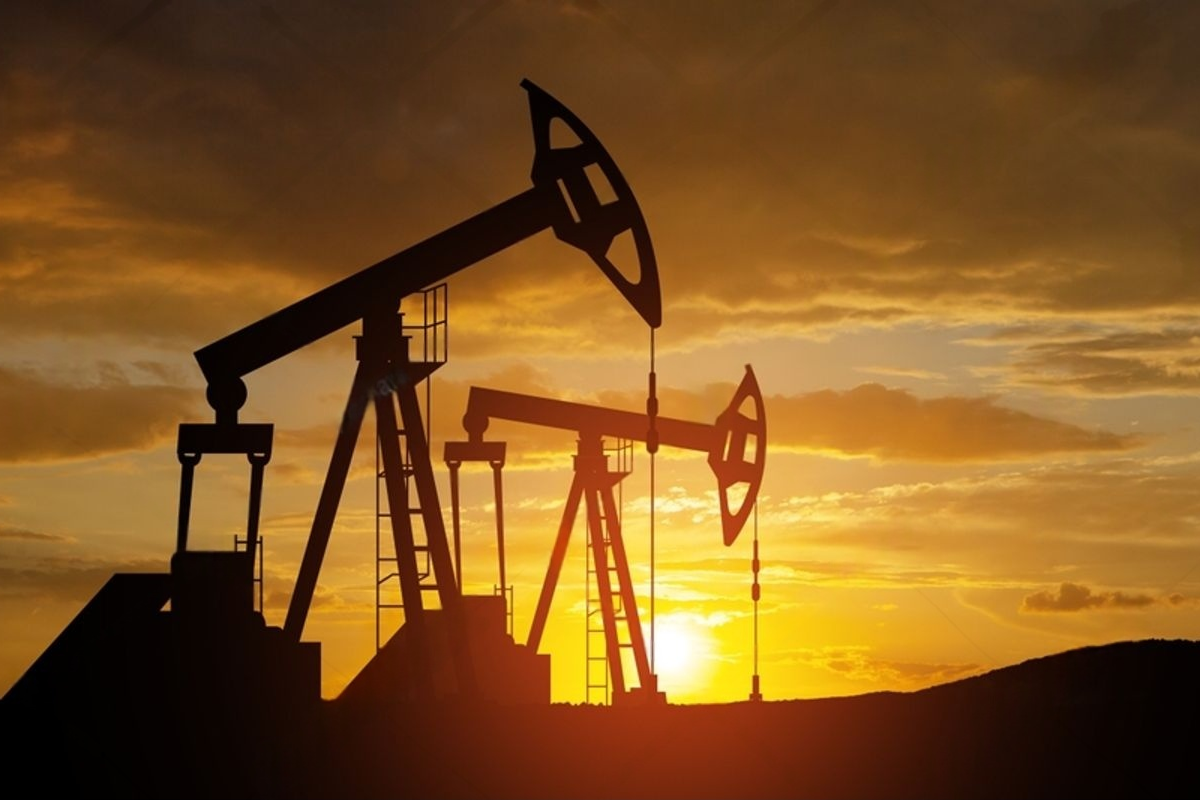
The oil market reacted sharply to the latest escalation between the United States and Iran, as President Trump issued a stern ultimatum while Tehran threatened to close the Strait of Hormuz indefinitely. The strategic chokepoint, through which nearly 20% of global oil shipments pass, has become a focal point for investors monitoring supply risk. Crude futures, including Brent and WTI, surged in early trading, reflecting both immediate supply concerns and broader geopolitical uncertainty affecting energy markets worldwide.
Geopolitical Developments and Immediate Market Reactions
Statements from both the U.S. administration and Iranian leadership signal a hardening stance that could escalate into military or economic confrontation. Brent crude prices rose by approximately 1.2% in early Asian trading sessions, while WTI futures gained nearly 1.0%, underscoring investor sensitivity to potential disruptions in oil flows. Energy-exporting countries in the Middle East have seen increased volatility in local equity markets, with traders factoring in risk premiums associated with escalating tensions. The possibility of a prolonged closure of the Strait could result in a significant shock to the global energy supply chain, intensifying pressure on oil-dependent economies.
Financial and Economic Implications
The rising geopolitical risk is already affecting broader financial markets. Oil-importing nations may face elevated fuel costs, which could influence inflation expectations, monetary policy decisions, and corporate operating expenses. Investors are evaluating exposure in sectors particularly sensitive to energy prices, including transportation, manufacturing, and regional technology firms. Fixed-income markets are reflecting cautious sentiment, as yields on U.S. Treasuries show minor declines, while safe-haven assets such as gold and the Japanese yen have seen modest inflows. Strategists note that even short-term disruptions in Hormuz could amplify oil price volatility and ripple through derivative contracts tied to energy futures.
Regional Considerations and Strategic Outlook
For Israel and neighboring Middle Eastern economies, the current escalation reinforces the importance of monitoring both security developments and economic resilience. Domestic markets may experience indirect volatility due to shifts in global risk sentiment and changes in capital flows. Defensive sectors and highly liquid assets are increasingly attractive to risk-conscious investors, while policymakers are evaluating energy dependencies and potential mitigation strategies, including alternative supply routes and strategic reserves. The situation highlights the intersection of geopolitical risk and financial market exposure in shaping investment decisions across the region.
Forward-Looking Perspective
Looking ahead, market participants will closely track diplomatic developments, military movements, and potential sanctions or trade interventions. Crude oil prices, regional equities, and safe-haven instruments are likely to remain highly sensitive to incremental changes in U.S.–Iran relations. Investors and institutions should consider monitoring the duration and severity of the standoff, macroeconomic indicators, and portfolio exposure to energy-sensitive assets. Effective observation of news flow, energy market data, and policy responses will be crucial in navigating this volatile environment and understanding potential implications for both global and Israeli financial markets.
Comparison, examination, and analysis between investment houses
Leave your details, and an expert from our team will get back to you as soon as possible
* This article, in whole or in part, does not contain any promise of investment returns, nor does it constitute professional advice to make investments in any particular field.
To read more about the full disclaimer, click here
- Ronny Mor
- •
- 6 Min Read
- •
- ago 13 hours
SKN | Surging Oil Prices Force Latin America to Reassess Energy Strategies
The recent surge in global oil prices has sent ripples across Latin American economies, prompting policymakers to reevaluate energy strategies
- ago 13 hours
- •
- 6 Min Read
The recent surge in global oil prices has sent ripples across Latin American economies, prompting policymakers to reevaluate energy strategies

- sagi habasov
- •
- 7 Min Read
- •
- ago 2 days
SKN | Global Supply Risks Ahead: How the Strait of Hormuz Could Impact Coca-Cola’s Cost Structure and Growth Outlook
Escalating geopolitical risks around the Strait of Hormuz are emerging as a key macro factor for global corporations, including
- ago 2 days
- •
- 7 Min Read

Escalating geopolitical risks around the Strait of Hormuz are emerging as a key macro factor for global corporations, including

- orshu
- •
- 7 Min Read
- •
- ago 3 days
SKN | Why Is Gold Crashing Despite War and Inflation Fears and What Does It Signal?
Gold has delivered a historic shock to investors, plunging 11% in a single week—its worst performance since 1983—despite a backdrop
- ago 3 days
- •
- 7 Min Read

Gold has delivered a historic shock to investors, plunging 11% in a single week—its worst performance since 1983—despite a backdrop
- orshu
- •
- 7 Min Read
- •
- ago 3 days
SKN | Oil Surges to Multi-Year High as Middle East Supply Risks Intensify: What It Means for Global Markets
Global oil markets have surged to their highest levels since July 2022, reflecting mounting concerns over supply disruptions in
- ago 3 days
- •
- 7 Min Read
Global oil markets have surged to their highest levels since July 2022, reflecting mounting concerns over supply disruptions in

