


- orshu
- •
- 7 Min Read
- •
- 40 seconds ago
Key Points
- Oil prices edged higher as Iran rejected ceasefire discussions, raising geopolitical tensions.
- Energy stocks gained traction, while broader equity markets showed cautious sentiment.
- Supply risk premium re-emerges, raising concerns over Middle East stability and global energy flows.

Oil prices moved higher in recent trading after Iran rejected a potential ceasefire proposal, alongside renewed warnings from former U.S. President Donald Trump. The development has reintroduced a geopolitical risk premium into global energy markets, prompting investors to reassess supply stability in one of the world’s most critical oil-producing regions.
This shift comes as markets had been stabilizing in recent weeks, making the move particularly relevant for inflation expectations, equity market positioning, and broader global risk sentiment. While the price increase remains moderate, the implications extend across multiple asset classes.
Geopolitical Tensions Drive Oil Market Reaction
The Middle East plays a central role in global oil supply, and any escalation involving Iran tends to have a significant impact on pricing. Iran’s rejection of ceasefire discussions signals continued uncertainty, raising concerns about potential supply disruptions or tighter shipping conditions through strategic routes such as the Strait of Hormuz.
Even without immediate disruptions, oil markets typically price in future risks. The current increase reflects this behavior, as traders factor in the possibility of prolonged instability. Historically, such developments introduce a risk premium, pushing prices higher in anticipation of potential supply constraints.
This renewed uncertainty highlights the sensitivity of energy markets to geopolitical developments and underscores the importance of diplomatic progress in maintaining price stability.
Stock Market Impact and Sector Rotation
Rising oil prices are already influencing equity market dynamics, particularly through sector rotation. Energy companies, including oil producers and refiners, typically benefit from higher crude prices due to improved revenue expectations. This often results in relative outperformance compared to broader market indices.
In contrast, sectors heavily dependent on fuel costs—such as airlines, transportation, and logistics—may experience margin pressure. Higher input costs can reduce profitability, especially in competitive markets where pricing power is limited.
From a regional perspective, Israeli energy and natural gas companies may see indirect support from elevated global energy prices. However, broader market sentiment on the Tel Aviv Stock Exchange could remain mixed, reflecting global uncertainty and shifting investor risk appetite.
Overall, the equity market response suggests caution rather than panic, indicating that investors are monitoring developments closely without fully pricing in a worst-case scenario.
Macro Implications: Inflation and Policy Outlook
Oil prices remain a key driver of global inflation. Even modest increases can influence consumer prices, particularly in energy-dependent economies. This dynamic is critical as central banks, including the Federal Reserve and the Bank of Israel, evaluate their monetary policy paths.
If oil prices continue to rise, expectations for interest rate cuts may be delayed, as policymakers remain cautious about inflationary pressures. This could affect equity valuations, bond markets, and currency movements globally.
At the same time, sustained higher oil prices may accelerate investment in renewable energy and infrastructure, as governments and corporations seek to reduce exposure to geopolitical risks and volatile fossil fuel markets.
Looking ahead, investors will focus on developments in the Middle East, including any escalation or diplomatic progress involving Iran. Key indicators to monitor include shipping activity, production levels, and policy responses from major oil producers. While current price movements remain contained, the situation introduces a renewed layer of uncertainty that could drive volatility across commodities, equities, and currencies in the coming sessions.
Comparison, examination, and analysis between investment houses
Leave your details, and an expert from our team will get back to you as soon as possible
* This article, in whole or in part, does not contain any promise of investment returns, nor does it constitute professional advice to make investments in any particular field.
To read more about the full disclaimer, click here
- orshu
- •
- 6 Min Read
- •
- ago 21 minutes
SKN | Markets Climb on April 6, 2026 as Tech Leads Gains Despite Slight Rise in Volatility
U.S. equity markets closed higher on Monday, April 6, 2026, continuing their gradual recovery as investor confidence improved. Gains were
- ago 21 minutes
- •
- 6 Min Read

U.S. equity markets closed higher on Monday, April 6, 2026, continuing their gradual recovery as investor confidence improved. Gains were
- orshu
- •
- 7 Min Read
- •
- ago 26 minutes
SKN | Hologic (HOLX): Stabilizing After Buyout News — Risk or Repricing Opportunity?
Hologic, Inc. (NASDAQ: HOLX) closed at $76.01 on April 06, gaining 0.48% as the stock hovered near its proposed
- ago 26 minutes
- •
- 7 Min Read

Hologic, Inc. (NASDAQ: HOLX) closed at $76.01 on April 06, gaining 0.48% as the stock hovered near its proposed
- orshu
- •
- 6 Min Read
- •
- ago 5 hours
SKN | European Markets Diverge at Close as UK Strength Counters Broad Eurozone Weakness
European markets closed on April 6 with a mixed performance, as strength in the United Kingdom contrasted with broader
- ago 5 hours
- •
- 6 Min Read

European markets closed on April 6 with a mixed performance, as strength in the United Kingdom contrasted with broader
- orshu
- •
- 7 Min Read
- •
- ago 5 hours
SKN | Israel Market Close – April 6, 2026: Tel Aviv Gains on Broad Rally Despite Early Close for Passover as Investor Confidence Strengthens
Israeli financial markets closed higher on April 6, 2026, in a shortened session ahead of the Passover holiday. Despite reduced
- ago 5 hours
- •
- 7 Min Read
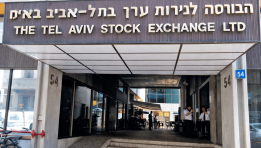
Israeli financial markets closed higher on April 6, 2026, in a shortened session ahead of the Passover holiday. Despite reduced

