


- sagi habasov
- •
- 7 Min Read
- •
- 2 hours ago
Key Points
- Oil prices rose after a three-day decline as geopolitical focus shifted back to Iran–US discussions
- Market sentiment remains highly sensitive to potential changes in Middle East supply risk premiums
- Traders continue to balance diplomatic signals with global demand and inventory dynamics
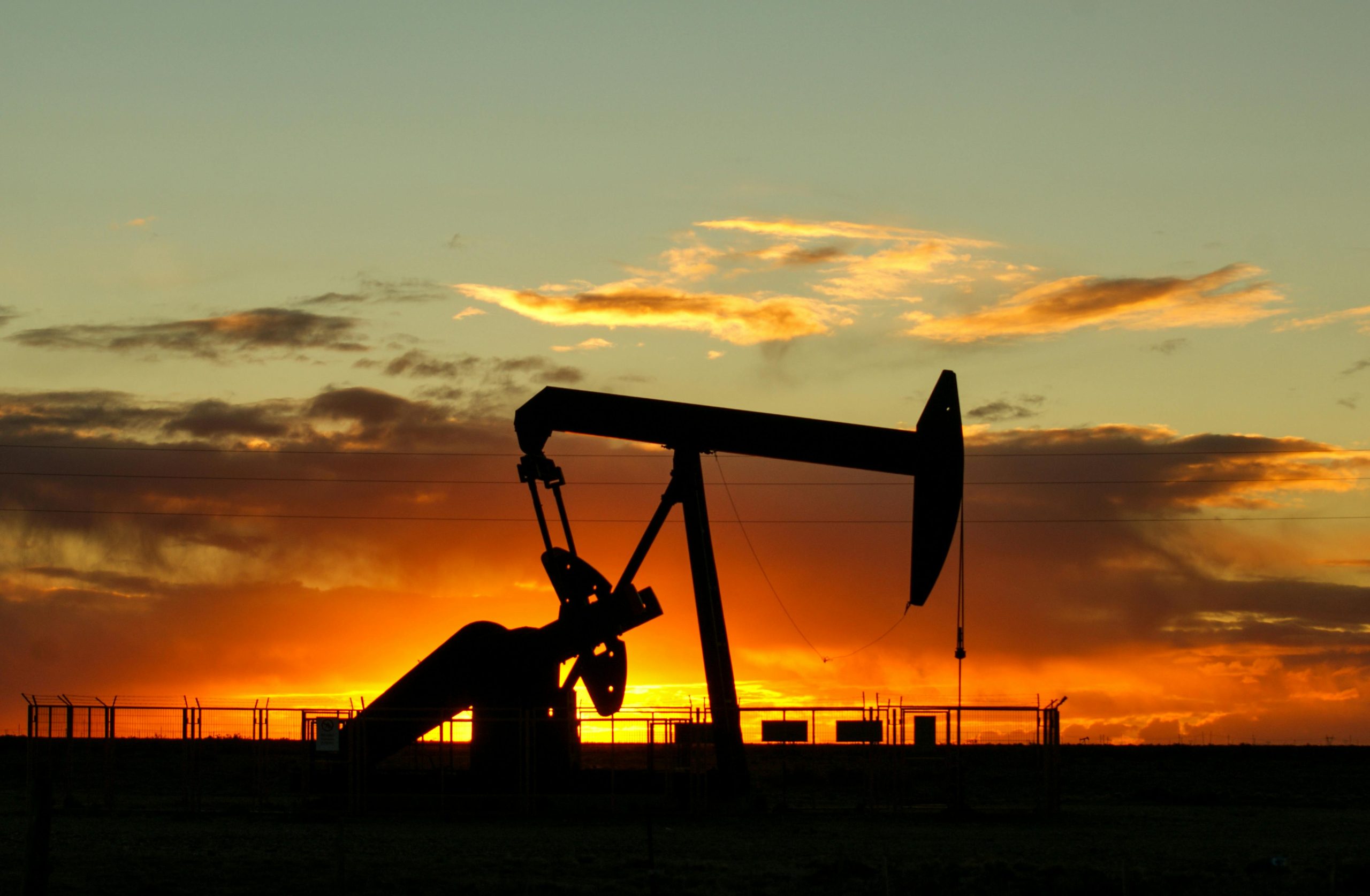
Oil prices advanced after three consecutive sessions of declines, as investors reassessed geopolitical risks linked to renewed attention on Iran–US negotiations. The move highlights how crude markets remain heavily influenced by political developments in the Middle East, particularly those that could affect supply expectations and sanctions frameworks. For global energy markets, the latest price action reflects a fragile balance between short-term demand signals and persistent geopolitical uncertainty.
Geopolitical Developments Drive Short-Term Price Reversal
The rebound in oil prices was largely driven by shifting sentiment around diplomatic discussions between Iran and the United States. Market participants closely monitor these negotiations due to their potential implications for Iranian crude exports and broader OPEC+ supply dynamics.
Iran remains a key producer within the global oil system, and any easing or tightening of sanctions can significantly alter supply projections. Even speculative changes in diplomatic momentum tend to influence risk premiums embedded in crude benchmarks such as Brent and West Texas Intermediate.
The recent three-day decline in prices had been driven by concerns over demand softness and profit-taking after prior gains. However, renewed geopolitical focus prompted traders to reintroduce a degree of risk premium into pricing, contributing to the rebound.
Supply Risk Premiums and Market Sentiment Shift
Energy markets continue to price oil not only on physical supply and demand fundamentals but also on perceived geopolitical risks. The Middle East remains a critical region for global oil flows, with shipping routes and production infrastructure highly sensitive to political instability.
Any indication of disrupted negotiations or heightened tensions tends to increase volatility, as traders adjust expectations for potential supply interruptions. Conversely, signs of diplomatic progress can quickly reduce risk premiums, leading to sharp price corrections.
In addition, recent inventory data and broader macroeconomic signals have contributed to uneven trading conditions. While demand indicators remain mixed across major economies, supply-side concerns continue to act as a stabilizing factor for prices during periods of weakness.
For institutional investors, including Israeli portfolios with exposure to commodities and energy-linked assets, this dynamic reinforces the importance of geopolitical monitoring as a core driver of short-term price movements in oil markets.
Macro Backdrop and Energy Market Sensitivity
Beyond geopolitical developments, oil prices remain closely tied to global macroeconomic conditions, including industrial activity, interest rate expectations, and currency fluctuations. Slower growth in key economies has raised concerns about medium-term demand, while monetary policy uncertainty continues to influence broader risk sentiment across commodities.
At the same time, OPEC+ production strategy remains a key structural factor shaping supply expectations. Output discipline among major producers has helped stabilize markets during periods of demand uncertainty, though compliance levels and future policy adjustments remain closely watched by traders.
The interaction between macroeconomic signals and geopolitical developments continues to create a volatile trading environment, where short-term price movements are often driven by sentiment shifts rather than fundamental changes in consumption patterns.
Looking ahead, market participants will focus on developments in Iran–US negotiations, OPEC+ policy signals, and upcoming inventory reports to assess the sustainability of the recent rebound. Any escalation in geopolitical tensions could further elevate risk premiums, while clearer diplomatic progress may ease upward pressure on prices.
Key risks include sudden shifts in sanctions policy, unexpected supply disruptions, and weaker-than-anticipated global demand growth. On the positive side, sustained production discipline and stable consumption trends could provide support for oil prices in the near term.
Overall, the latest price movement underscores how geopolitical developments remain a central force shaping energy market direction, with Iran–US relations once again emerging as a key variable in global crude pricing dynamics.
Comparison, examination, and analysis between investment houses
Leave your details, and an expert from our team will get back to you as soon as possible
* This article, in whole or in part, does not contain any promise of investment returns, nor does it constitute professional advice to make investments in any particular field.
To read more about the full disclaimer, click here
- Lior mor
- •
- 7 Min Read
- •
- ago 1 hour
SKN | Gold Holds Steady as US–Iran Signals and Interest Rate Expectations Keep Markets on Edge
Gold prices held steady in recent trading sessions as investors balanced shifting geopolitical signals between the United States and Iran
- ago 1 hour
- •
- 7 Min Read

Gold prices held steady in recent trading sessions as investors balanced shifting geopolitical signals between the United States and Iran

- Ronny Mor
- •
- 7 Min Read
- •
- ago 2 hours
SKN | Iran Negotiations Advance as Tensions Over Uranium Enrichment and Hormuz Shipping Fees Ease Pressure on Markets
Progress in diplomatic discussions involving Iran has eased some of the immediate tensions surrounding uranium enrichment levels and proposed shipping
- ago 2 hours
- •
- 7 Min Read

Progress in diplomatic discussions involving Iran has eased some of the immediate tensions surrounding uranium enrichment levels and proposed shipping

- sagi habasov
- •
- 8 Min Read
- •
- ago 8 hours
SKN | Global Oil Market Faces ‘Red Zone’ Risk as Inventories Tighten Ahead of Peak Summer Demand
Global oil markets may face a period of heightened supply pressure by mid-summer as declining inventories collide with rising
- ago 8 hours
- •
- 8 Min Read

Global oil markets may face a period of heightened supply pressure by mid-summer as declining inventories collide with rising

- omer bar
- •
- 7 Min Read
- •
- ago 11 hours
SKN | Oil Prices Jump Again as Iran Rejects Uranium Transfer Demands During Fragile U.S. Negotiations
Oil markets turned sharply higher on Thursday after comments from Iranian Supreme Leader Mojtaba Khamenei reignited fears that negotiations between
- ago 11 hours
- •
- 7 Min Read

Oil markets turned sharply higher on Thursday after comments from Iranian Supreme Leader Mojtaba Khamenei reignited fears that negotiations between


