


- sagi habasov
- •
- 7 Min Read
- •
- 13 seconds ago
Key Points
- Oil prices rose after heightened geopolitical tensions following comments attributed to former US President Donald Trump regarding the Strait of Hormuz.
- Markets reacted to renewed fears of supply disruption through one of the world’s most critical energy shipping routes.
- Investors are reassessing risk premiums across energy markets as volatility in crude futures intensifies.
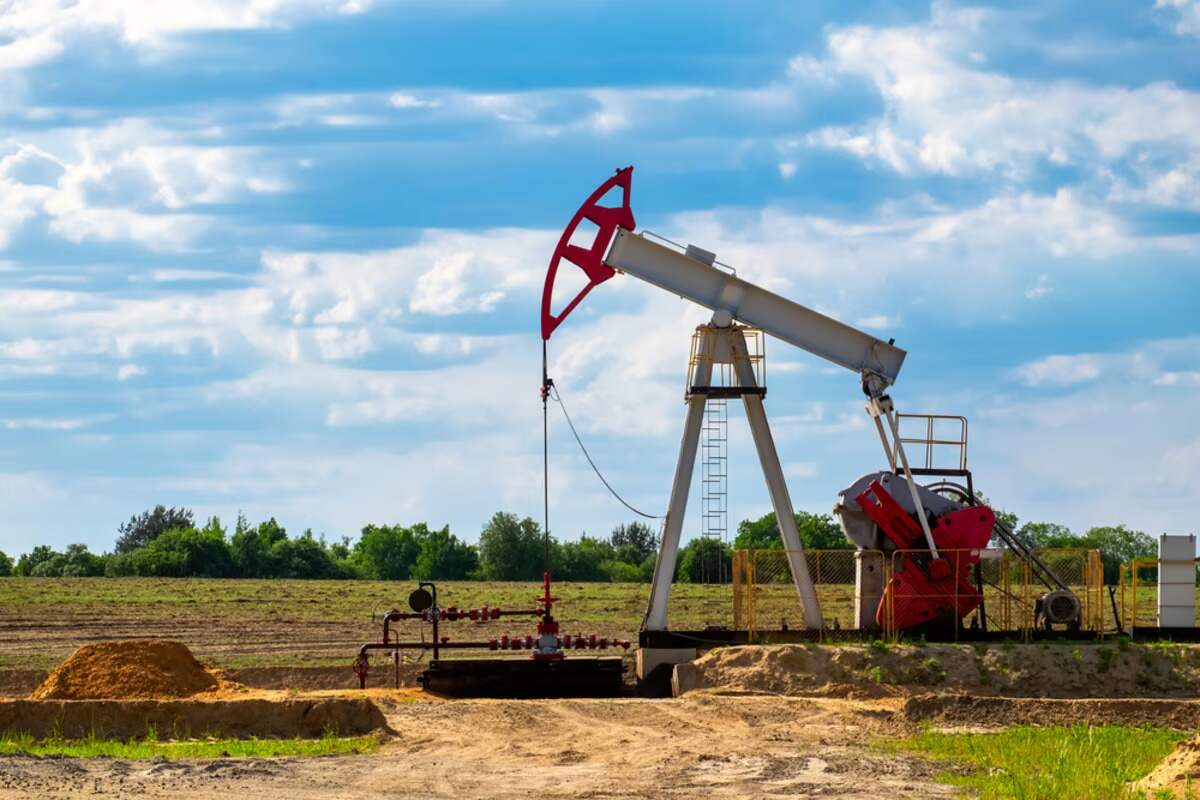
Oil prices moved higher in global trading after heightened geopolitical tensions escalated following remarks attributed to former US President Donald Trump, who reportedly suggested the possibility of restricting passage through the Strait of Hormuz. The development has reignited concerns over global energy security, as the waterway remains one of the most strategically important routes for crude oil and liquefied natural gas shipments worldwide. Markets responded quickly, with traders pricing in a higher geopolitical risk premium across energy benchmarks.
Strait of Hormuz Returns to the Center of Market Risk
The Strait of Hormuz, which connects the Persian Gulf to global shipping lanes, handles a significant share of global oil flows. Any perceived threat to its stability tends to have an immediate impact on energy markets due to its outsized role in global supply chains. Following the latest comments, traders increased hedging activity and reassessed short-term supply assumptions, pushing oil futures higher.
While no physical disruption to shipping has been reported, the market reaction underscores how sensitive crude pricing remains to geopolitical signals. Even rhetorical escalation can shift positioning in futures markets, particularly in an environment where global inventories are already closely watched. The price movement reflects not only supply concerns but also a broader reassessment of geopolitical risk embedded in energy valuations.
Energy Markets React to Rising Risk Premium
The increase in oil prices reflects a rapid expansion of the geopolitical risk premium built into energy contracts. Brent and West Texas Intermediate futures typically respond sharply to perceived threats to Middle Eastern supply routes, and the latest developments have reinforced that pattern. Traders have also noted increased volatility in intraday trading, suggesting heightened uncertainty around near-term price direction.
Natural gas markets showed correlated sensitivity, particularly in liquefied natural gas pricing, given that a portion of global LNG exports also flows through the same strategic corridor. The combined movement across oil and gas markets highlights the interconnected nature of global energy pricing and the extent to which geopolitical developments can influence multiple asset classes simultaneously.
Macro Implications and Investor Positioning
Rising energy prices carry broader macroeconomic implications, particularly for inflation-sensitive economies. Higher crude costs can feed into transportation, manufacturing, and consumer price indices, complicating monetary policy decisions in major economies such as the United States and the Eurozone. Central banks have been closely monitoring energy volatility as part of their inflation outlook assessments.
Institutional investors have responded by adjusting exposure across commodities-linked assets and increasing hedging activity in energy derivatives. The move also reinforces oil’s role as both a macro hedge and a volatility-driven asset class, where geopolitical developments can rapidly alter positioning flows across global markets.
Forward Outlook: What Markets Will Watch Next
Looking ahead, market participants will focus on whether geopolitical rhetoric translates into concrete policy actions affecting shipping routes through the Strait of Hormuz. Any escalation beyond verbal threats could significantly amplify volatility across global energy markets and broaden the impact on risk assets.
At the same time, attention will remain on global inventory levels, OPEC+ production strategy, and demand trends from major consuming economies. The interaction between geopolitical risk and fundamental supply-demand dynamics is expected to define price direction in the near term, with energy markets likely to remain highly sensitive to any further developments.
Comparison, examination, and analysis between investment houses
Leave your details, and an expert from our team will get back to you as soon as possible
* This article, in whole or in part, does not contain any promise of investment returns, nor does it constitute professional advice to make investments in any particular field.
To read more about the full disclaimer, click here
- omer bar
- •
- 7 Min Read
- •
- ago 39 minutes
SKN | Can Oil and Gas Markets Sustain the Surge as Hormuz Tensions Escalate Global Energy Risk?
Oil and natural gas prices climbed sharply as geopolitical tensions surrounding the Strait of Hormuz intensified, raising fears of potential
- ago 39 minutes
- •
- 7 Min Read

Oil and natural gas prices climbed sharply as geopolitical tensions surrounding the Strait of Hormuz intensified, raising fears of potential
- omer bar
- •
- 6 Min Read
- •
- ago 2 days
SKN | Is Gold’s Volatility Signaling Uncertainty Ahead of U.S.–Iran Talks?
Gold prices are trading in a narrow but volatile range as investors closely monitor upcoming diplomatic talks between the U.S.
- ago 2 days
- •
- 6 Min Read

Gold prices are trading in a narrow but volatile range as investors closely monitor upcoming diplomatic talks between the U.S.
- omer bar
- •
- 7 Min Read
- •
- ago 2 days
SKN | Is Gold’s Weekly Gain Signaling Renewed Strength or Ongoing Market Uncertainty?
Gold prices are edging higher once again, with bullion on track for a third consecutive weekly gain as investors weigh
- ago 2 days
- •
- 7 Min Read

Gold prices are edging higher once again, with bullion on track for a third consecutive weekly gain as investors weigh

- Ronny Mor
- •
- 6 Min Read
- •
- ago 3 days
SKN | Gold Extends Weekly Gains as Investors Balance Safe-Haven Demand Against Iran Truce Expectations
Gold prices advanced toward a weekly gain as investors assessed shifting geopolitical signals tied to Iran truce prospects, while broader
- ago 3 days
- •
- 6 Min Read

Gold prices advanced toward a weekly gain as investors assessed shifting geopolitical signals tied to Iran truce prospects, while broader

