


- Lior mor
- •
- 8 Min Read
- •
- 12 hours ago
Key Points
- Oil-linked ETFs remain highly sensitive to geopolitical developments and OPEC+ supply decisions
- Crude price fluctuations continue to reflect shifting demand expectations and inventory dynamics
- Institutional investors are reassessing energy exposure amid persistent macro uncertainty and inflation risks
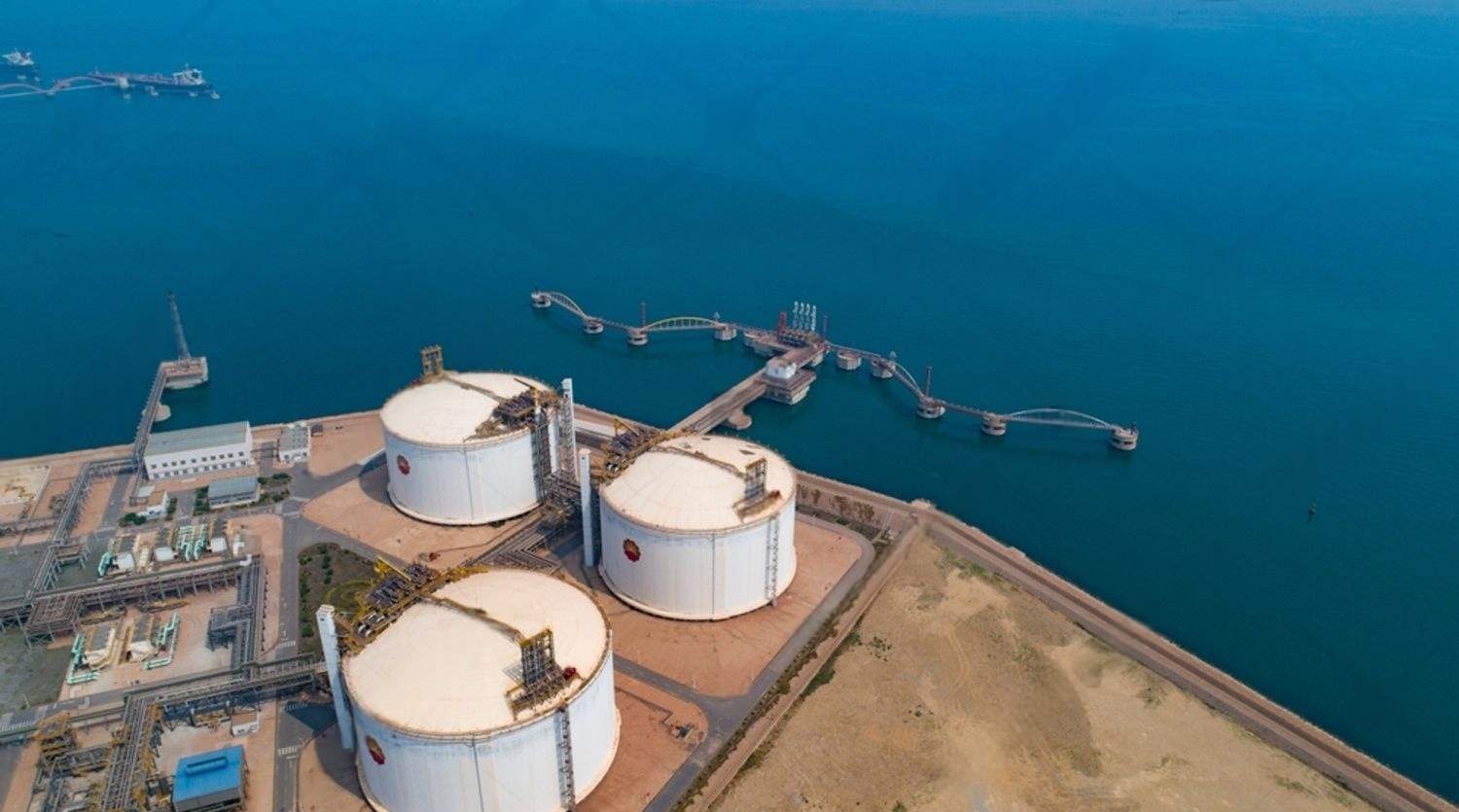
Global energy markets are once again experiencing heightened volatility, driven by shifting geopolitical risks, supply management decisions from major producers, and evolving demand expectations. Oil-linked exchange-traded products, including those designed to track short-term crude movements, remain closely tied to these fluctuations. For international investors, including those in Israel with exposure to commodity-linked assets, oil continues to serve as both a macroeconomic indicator and a tactical allocation tool within diversified portfolios.
Oil ETFs and Their Link to Short-Term Price Movements
The United States Oil Fund, LP (commonly known as USO) is structured to provide exposure to short-term movements in West Texas Intermediate (WTI) crude oil futures. Unlike direct physical oil exposure, the fund tracks futures contracts, meaning its performance is influenced not only by spot price changes but also by the structure of the futures curve.
In periods of contango, where future prices are higher than near-term contracts, rolling futures positions can create performance drag. Conversely, in backwardated markets, where near-term prices exceed future contracts, the structure can enhance returns. This dynamic makes oil ETFs particularly sensitive to market structure in addition to headline crude price movements.
Recent volatility in crude markets has been driven by fluctuating expectations around global economic growth, OPEC+ production policy, and geopolitical developments affecting key supply routes. These factors have contributed to rapid shifts in sentiment, which are often reflected more quickly in futures-based ETFs than in physical commodity benchmarks.
Supply Dynamics and Geopolitical Risk Premiums
Oil prices continue to be shaped by a combination of supply management strategies and geopolitical risk premiums. OPEC+ production decisions remain a central driver of market balance, with coordinated output adjustments influencing global inventory trends and price stability.
At the same time, geopolitical tensions in key producing regions continue to introduce uncertainty into supply expectations. Even without immediate disruptions, markets frequently price in risk premiums based on the probability of future supply constraints. This has led to periodic spikes in volatility, particularly in Brent and WTI benchmarks, which directly influence ETF-linked exposure.
For energy-importing economies, including Israel, fluctuations in crude prices have broader implications for inflation dynamics, transportation costs, and energy security considerations. As a result, oil market movements are closely monitored not only by commodity traders but also by macroeconomic policymakers.
Investor Positioning and Portfolio Considerations
Institutional investors have been actively reassessing their exposure to energy-linked assets as part of broader portfolio diversification strategies. Oil ETFs such as USO are often used as tactical instruments rather than long-term holdings, given their sensitivity to futures pricing dynamics and market volatility.
Rising interest rate environments and shifting inflation expectations have also influenced energy allocation decisions. While higher oil prices can support inflation-hedging narratives, they may also increase volatility across risk assets, prompting more dynamic positioning strategies.
In addition, correlations between oil prices and other asset classes, including equities and currencies, have become more pronounced during periods of macro stress. This has reinforced the role of energy exposure as both a diversification tool and a potential source of portfolio volatility.
Outlook: Volatility Likely to Persist in Energy Markets
Looking ahead, oil markets are expected to remain highly responsive to geopolitical developments, production decisions from major exporters, and global demand trends. Any shifts in OPEC+ policy, unexpected supply disruptions, or changes in global growth expectations could rapidly alter price trajectories.
Key risks include renewed geopolitical escalation, slower-than-expected demand recovery, and structural changes in energy consumption patterns. On the upside, sustained supply discipline or stronger global economic activity could support higher price levels.
For global investors, including those in Israel, oil-linked ETFs such as USO will likely continue to function as high-beta instruments reflecting broader macro and geopolitical dynamics. Monitoring futures curve structure, inventory data, and policy signals from major producers will remain critical in assessing near-term direction in energy markets.
Comparison, examination, and analysis between investment houses
Leave your details, and an expert from our team will get back to you as soon as possible
* This article, in whole or in part, does not contain any promise of investment returns, nor does it constitute professional advice to make investments in any particular field.
To read more about the full disclaimer, click here
- orshu
- •
- 8 Min Read
- •
- ago 3 hours
SKN | GraniteShares 2x Long NOW ETF Surges as Leveraged AI Exposure Fuels Aggressive Buying Activity
The GraniteShares 2x Long NOW Daily ETF (NASDAQ: NOWL) posted a sharp rally during the May 15 trading session
- ago 3 hours
- •
- 8 Min Read

The GraniteShares 2x Long NOW Daily ETF (NASDAQ: NOWL) posted a sharp rally during the May 15 trading session

- Ronny Mor
- •
- 7 Min Read
- •
- ago 1 day
SKN | Can China’s Internet Sector Regain Momentum Through the KraneShares CSI China Internet ETF (KWEB)?
China’s internet sector continues to navigate a complex environment shaped by uneven domestic consumption, regulatory recalibration, and shifting global capital
- ago 1 day
- •
- 7 Min Read

China’s internet sector continues to navigate a complex environment shaped by uneven domestic consumption, regulatory recalibration, and shifting global capital

- Lior mor
- •
- 7 Min Read
- •
- ago 2 days
SKN | Invesco Leads ETF Inflows With $4.9 Billion as Competition Intensifies Across Asset Managers
Invesco Climbs ETF Inflow Rankings Invesco emerged as one of the strongest performers in the latest ETF league tables after
- ago 2 days
- •
- 7 Min Read
Invesco Climbs ETF Inflow Rankings Invesco emerged as one of the strongest performers in the latest ETF league tables after

- sagi habasov
- •
- 7 Min Read
- •
- ago 2 days
SKN | Is Copper’s Structural Supercycle Strengthening Global Mining ETF Demand?
Copper has re-emerged as a strategically important industrial metal, with demand increasingly driven by electrification trends, renewable energy infrastructure, and
- ago 2 days
- •
- 7 Min Read

Copper has re-emerged as a strategically important industrial metal, with demand increasingly driven by electrification trends, renewable energy infrastructure, and

