


- Ronny Mor
- •
- 8 Min Read
- •
- 4 hours ago
Key Points
- Brent and WTI crude remain range-bound as traders assess geopolitical risks linked to upcoming Iran negotiations.
- Supply disruption fears in the Middle East offset concerns about slowing global demand growth.
- Israeli energy markets and regional risk premiums remain sensitive to developments in Tehran and Washington.

Oil prices traded in a narrow range at the start of the week, with Brent crude hovering near the mid-$80 per barrel level and West Texas Intermediate holding slightly below that threshold. The market’s steadiness reflects a delicate balance between geopolitical risk in the Middle East and lingering concerns about global demand momentum. Investors are closely monitoring diplomatic developments ahead of renewed talks involving Iran’s nuclear program.
Geopolitical Risk Premium Back in Focus
The upcoming discussions surrounding Iran’s nuclear activity have reintroduced a geopolitical risk premium into crude markets. Iran remains one of OPEC’s key producers, and any shift in sanctions enforcement or export policy could materially affect global supply balances. According to data from the International Energy Agency, Iran’s oil exports have fluctuated in recent years depending on the intensity of U.S. sanctions and enforcement measures.
For energy traders, the central question is whether negotiations will lead to tighter restrictions or, alternatively, a pathway toward increased Iranian exports. A breakdown in talks could raise the probability of supply disruptions, particularly if regional tensions escalate in the Persian Gulf. Conversely, a diplomatic breakthrough could eventually pave the way for additional barrels entering the market, potentially capping upside in prices.
Israel-based institutional investors are also watching the developments closely, given the broader regional security implications. Any escalation could influence not only energy prices but also risk sentiment across Israeli equities, sovereign bonds, and the shekel.
Supply Constraints Offset Demand Concerns
While geopolitical uncertainty provides support, oil’s upside has been tempered by mixed signals on global demand. China’s post-pandemic recovery has shown uneven momentum, and manufacturing data in parts of Europe has softened. In the United States, resilient economic growth has sustained fuel consumption, yet higher interest rates continue to weigh on longer-term demand projections.
At the same time, supply discipline from OPEC and its allies remains a stabilizing factor. Voluntary production cuts led by Saudi Arabia and Russia have limited excess supply, helping to anchor prices even as macroeconomic headwinds persist. U.S. shale output has grown more gradually compared with prior cycles, reflecting capital discipline among producers and investor pressure for returns rather than volume expansion.
The result is a market caught between competing forces: constrained supply on one side and uncertain demand on the other. Volatility metrics in oil options markets suggest traders are positioning for potential price swings around key geopolitical headlines.
Macro and Financial Market Implications
Stable but elevated oil prices carry broader macroeconomic consequences. For central banks, including the Federal Reserve and the European Central Bank, sustained energy costs complicate the inflation outlook. Higher crude prices can filter into transportation and production costs, potentially slowing the pace of disinflation.
For Israel’s economy, energy price dynamics have both direct and indirect implications. Although Israel has developed significant natural gas capacity, it remains sensitive to global crude benchmarks in areas such as transportation fuels and imported goods. Rising oil prices could add to inflationary pressures and influence monetary policy considerations at the Bank of Israel.
Currency markets are also responsive. Oil-importing economies often experience trade balance pressure when crude rises, while energy exporters benefit from improved fiscal revenues. These cross-currents can amplify volatility in foreign exchange markets.
Looking ahead, traders will monitor headlines from diplomatic channels, OPEC production signals, and high-frequency demand indicators such as U.S. inventory data and Chinese import figures. Any unexpected shift in sanctions policy or regional stability could rapidly alter supply expectations. At the same time, softer global growth data could temper bullish momentum. In the near term, oil appears anchored by geopolitical caution, but the direction of negotiations with Iran may ultimately determine whether prices break higher or retreat from current levels.
Comparison, examination, and analysis between investment houses
Leave your details, and an expert from our team will get back to you as soon as possible
* This article, in whole or in part, does not contain any promise of investment returns, nor does it constitute professional advice to make investments in any particular field.
To read more about the full disclaimer, click here
- orshu
- •
- 7 Min Read
- •
- ago 2 minutes
SKN | Is Gold’s Pullback Below $5,000 a Pause Before the Next Rally?
Gold retreated below the psychologically critical $5,000-an-ounce threshold as investors booked profits after a sharp rebound driven by softer U.S.
- ago 2 minutes
- •
- 7 Min Read

Gold retreated below the psychologically critical $5,000-an-ounce threshold as investors booked profits after a sharp rebound driven by softer U.S.

- Ronny Mor
- •
- 6 Min Read
- •
- ago 10 hours
SKN | Carry Trade and Commodities Shield EM Currencies: Are They Now More Stable Than G-7 FX?
Emerging-market currencies are showing an unusual degree of resilience relative to their developed-market peers, challenging long-standing assumptions about foreign-exchange
- ago 10 hours
- •
- 6 Min Read

Emerging-market currencies are showing an unusual degree of resilience relative to their developed-market peers, challenging long-standing assumptions about foreign-exchange

- sagi habasov
- •
- 6 Min Read
- •
- ago 2 days
SKN | Potential Steel and Aluminum Tariff Rollback Signals Broader Shift Toward Affordability Agenda
Markets are assessing reports that former President Donald Trump may consider rolling back steel and aluminum tariffs if re-elected,
- ago 2 days
- •
- 6 Min Read
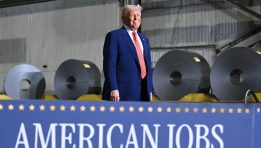
Markets are assessing reports that former President Donald Trump may consider rolling back steel and aluminum tariffs if re-elected,
- orshu
- •
- 6 Min Read
- •
- ago 2 days
SKN | Oil Edges Higher as U.S. Inflation Optimism Counters OPEC Supply Uncertainty
Oil prices settled slightly higher as markets balanced improving U.S. inflation data against persistent uncertainty over OPEC supply decisions.
- ago 2 days
- •
- 6 Min Read

Oil prices settled slightly higher as markets balanced improving U.S. inflation data against persistent uncertainty over OPEC supply decisions.

