


- Ronny Mor
- •
- 6 Min Read
- •
- 44 seconds ago
Key Points
- Oil prices remain elevated near multi‑year highs as traders weigh geopolitical risk against signs the Iran conflict could end soon.
- Brent crude has surged more than 60% in March amid fears of supply disruptions linked to the Strait of Hormuz.
- Markets remain cautious, as any meaningful price decline depends on the restoration of normal oil flows through key Middle East shipping routes.
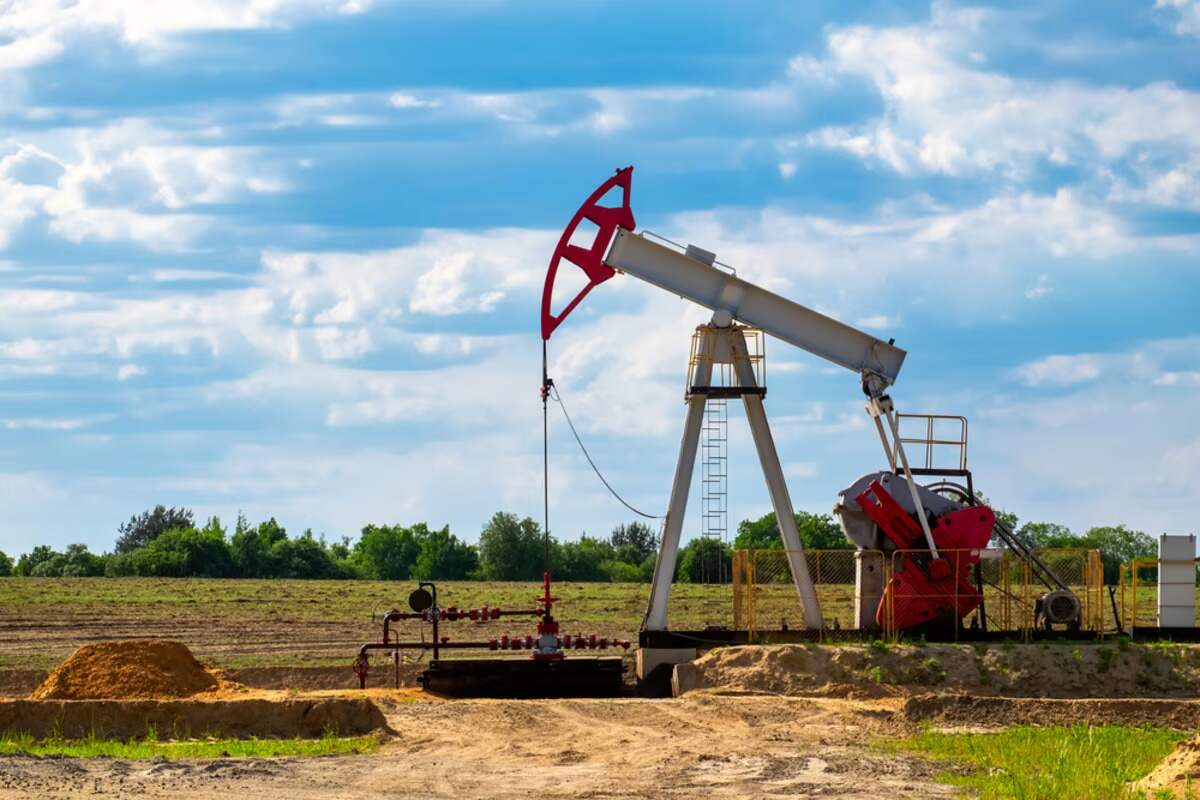
Global oil prices held relatively steady this week as energy traders balanced two competing forces: persistent supply risks in the Middle East and fresh signals from U.S. President Donald Trump that the conflict with Iran could end within weeks. The geopolitical premium embedded in crude markets remains significant, reflecting uncertainty over whether supply disruptions—particularly around the Strait of Hormuz—will ease in the near term.
Oil Prices Stabilize After Extreme Volatility
Oil markets have experienced some of their most volatile trading sessions in years since the conflict escalated in late February. After surging sharply during the early stages of the war, crude prices have recently moved into a holding pattern as traders evaluate the likelihood of a near‑term resolution.
Brent crude futures have traded near the $104 per barrel range in recent sessions, while U.S. benchmark West Texas Intermediate has hovered slightly above $100. These levels remain historically elevated even after brief pullbacks triggered by diplomatic signals suggesting the conflict may de‑escalate.
The dramatic price movements reflect the scale of the supply risk. Brent crude posted a monthly gain of more than 60% in March, highlighting how rapidly geopolitical tensions can reshape commodity markets.
Geopolitical Risk and the Strait of Hormuz
At the center of the market’s concerns is the Strait of Hormuz, the narrow shipping channel through which roughly one‑fifth of the world’s oil supply normally passes. Any prolonged disruption to this route creates immediate ripple effects across global energy markets.
Even as diplomatic signals emerge, traders remain cautious because restoring normal shipping conditions could take weeks or months. Analysts note that oil prices may not materially decline unless tanker traffic through the strait resumes at scale and regional infrastructure risks diminish.
For now, markets appear to be pricing in a “partial resolution” scenario: the conflict may end sooner than feared, but logistical and political challenges could keep supply flows constrained.
Financial Markets React to De‑Escalation Signals
The prospect of a shorter conflict has already influenced broader financial markets. Equity markets have rallied during periods when diplomatic progress appeared more likely, while commodities—including oil—have fluctuated sharply in response to geopolitical headlines.
Currency markets have also reflected shifting risk sentiment. The U.S. dollar softened slightly after Trump suggested the conflict could end relatively soon, signaling reduced demand for traditional safe‑haven assets.
Still, investors remain wary of treating political statements as definitive indicators of peace. Previous reports of negotiations or ceasefire frameworks have been met with skepticism by regional actors, highlighting the uncertainty surrounding the conflict’s trajectory.
Oil markets now appear to be trading less on daily headlines and more on structural supply realities.
Looking ahead, energy traders will closely monitor diplomatic developments, tanker traffic through the Strait of Hormuz, and production responses from major producers such as OPEC+. A rapid resolution could remove part of the geopolitical risk premium embedded in crude prices, but persistent supply bottlenecks or renewed escalation could quickly push oil markets back into another phase of extreme volatility.
Comparison, examination, and analysis between investment houses
Leave your details, and an expert from our team will get back to you as soon as possible
* This article, in whole or in part, does not contain any promise of investment returns, nor does it constitute professional advice to make investments in any particular field.
To read more about the full disclaimer, click here
- sagi habasov
- •
- 8 Min Read
- •
- ago 31 minutes
SKN | Fonterra Acknowledges “Grass-Fed” Label Could Mislead Consumers Following Greenpeace Legal Challenge
New Zealand’s dairy industry is facing renewed scrutiny after Fonterra, the world’s largest dairy exporter, acknowledged that its “grass-fed” labeling
- ago 31 minutes
- •
- 8 Min Read

New Zealand’s dairy industry is facing renewed scrutiny after Fonterra, the world’s largest dairy exporter, acknowledged that its “grass-fed” labeling

- orshu
- •
- 6 Min Read
- •
- ago 4 hours
SKN | Copper Meets Blockchain — Can Datavault AI’s Tokenization Strategy Redefine Commodities Markets?
Datavault AI has announced a partnership with Coppercore to tokenize copper resources, signaling a growing convergence between blockchain technology
- ago 4 hours
- •
- 6 Min Read

Datavault AI has announced a partnership with Coppercore to tokenize copper resources, signaling a growing convergence between blockchain technology

- Lior mor
- •
- 7 Min Read
- •
- ago 11 hours
SKN | Why Is Gold Having Its Worst Month Since 2008 Despite a Global War?
A Historic Selloff Defies Safe-Haven Expectations Gold is on track for its steepest monthly decline in more than 17 years,
- ago 11 hours
- •
- 7 Min Read

A Historic Selloff Defies Safe-Haven Expectations Gold is on track for its steepest monthly decline in more than 17 years,

- omer bar
- •
- 8 Min Read
- •
- ago 21 hours
SKN | Will Gold Sustain Its Rally as Fed Signals Patience and Geopolitical Risks Intensify?
Gold prices advanced for a second consecutive session, reflecting a complex interplay between monetary policy expectations and geopolitical uncertainty. The
- ago 21 hours
- •
- 8 Min Read

Gold prices advanced for a second consecutive session, reflecting a complex interplay between monetary policy expectations and geopolitical uncertainty. The


