


- sagi habasov
- •
- 7 Min Read
- •
- 17 seconds ago
Key Points
- Oil and gas prices climbed after the United States seized an Iranian-linked vessel, heightening geopolitical tensions
- Markets are reassessing energy supply risks as the incident casts doubt on already fragile diplomatic negotiations
- Investors are pricing in a higher geopolitical risk premium across commodities and related asset classes
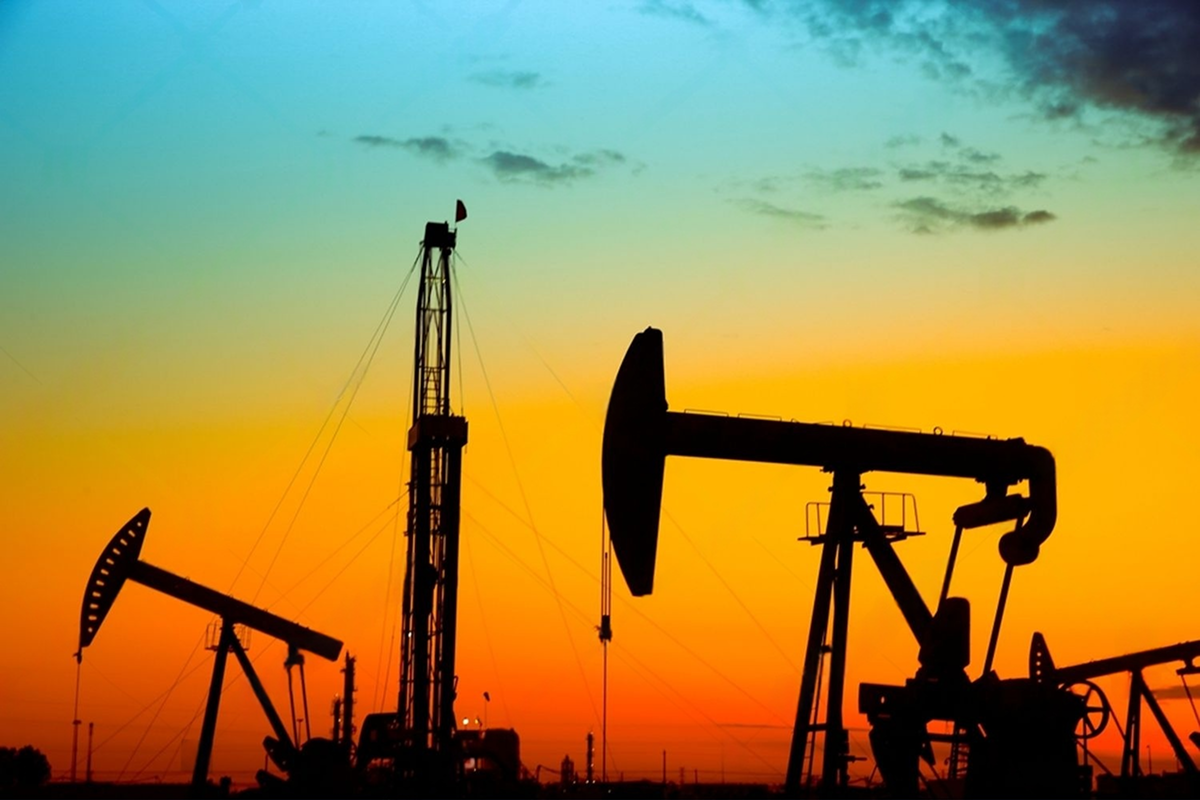
Global energy markets moved higher following reports that the United States seized an Iranian-linked vessel during an enforcement operation, an escalation that has intensified concerns over Middle East stability and the future of diplomatic engagement. The development arrives at a sensitive moment for global risk assets, with traders already balancing inflation pressures, interest rate expectations, and supply-side uncertainty across key commodities.
For international investors, including those in Israel, the incident adds another layer of volatility to an already sensitive energy backdrop, where geopolitical risk continues to play a central role in price formation and risk assessment.
Geopolitical Escalation Drives Immediate Energy Market Reaction
Oil and gas prices reacted upward as the news of the seizure filtered through trading desks, reflecting heightened concerns over potential retaliation and disruption risks. The move is widely interpreted as a signal of increased enforcement pressure on Iranian maritime activity, which in turn raises questions about the stability of diplomatic channels and ongoing indirect negotiations.
Market participants are increasingly sensitive to any developments that could affect shipping routes or regional stability, particularly in and around critical waterways such as the Strait of Hormuz. Even without immediate physical disruption, the perception of elevated geopolitical risk is enough to support a higher risk premium in crude oil pricing.
Supply Route Sensitivity and Inflation Transmission Risks
The Strait of Hormuz remains one of the world’s most strategically important energy chokepoints, handling a significant share of global crude oil flows. Any escalation involving Iranian-linked shipping activity naturally raises concerns about potential supply interruptions or delays, even if temporary.
Higher oil prices feed directly into global inflation expectations, influencing transportation, production, and consumer costs across economies. For Israel and other energy-importing nations, sustained energy price increases can translate into broader macroeconomic pressures, including imported inflation and currency sensitivity, particularly against the U.S. dollar.
This dynamic complicates the outlook for central banks already navigating a delicate balance between inflation control and growth stability.
Broader Market Positioning and Risk Repricing
Beyond energy markets, the geopolitical development is prompting a broader reassessment of risk across asset classes. Commodities are typically the most immediate channel of transmission, but currency markets and equities with exposure to global trade and energy costs are also sensitive to shifts in sentiment.
Safe-haven flows have shown signs of modest strengthening in global markets, while investors reassess exposure to risk-sensitive sectors. At the same time, energy-linked equities may see increased volatility as traders weigh higher commodity prices against the risk of demand destruction if prices remain elevated for an extended period.
For Israeli market participants, the interplay between global energy pricing, currency fluctuations, and regional geopolitical risk remains particularly relevant, given the economy’s sensitivity to imported energy costs and external capital flows.
Outlook: Geopolitics Remains Central to Energy Price Direction
Looking ahead, market direction will depend heavily on whether the incident escalates further or remains contained within a limited enforcement context. Any additional maritime disruptions or retaliatory actions could reinforce upward pressure on oil prices and sustain volatility across energy markets.
At the same time, traders will closely monitor diplomatic communications, shipping lane activity, and official responses from both Washington and Tehran for signs of de-escalation. Broader macro drivers, including inflation data and central bank policy signals, will continue to interact with geopolitical developments to shape overall risk appetite.
In the near term, energy markets are likely to remain highly responsive to geopolitical headlines, with volatility elevated as investors reassess supply security and regional stability.
Comparison, examination, and analysis between investment houses
Leave your details, and an expert from our team will get back to you as soon as possible
* This article, in whole or in part, does not contain any promise of investment returns, nor does it constitute professional advice to make investments in any particular field.
To read more about the full disclaimer, click here
- Lior mor
- •
- 8 Min Read
- •
- ago 3 hours
SKN | Why Is Gold Falling as Hormuz Tensions Rise and Inflation Risks Re-Emerge?
Gold prices have come under pressure even as renewed disruption risks around the Strait of Hormuz elevate geopolitical tensions and
- ago 3 hours
- •
- 8 Min Read

Gold prices have come under pressure even as renewed disruption risks around the Strait of Hormuz elevate geopolitical tensions and
- Lior mor
- •
- 6 Min Read
- •
- ago 6 hours
SKN | Trump Claims US Seized Iranian Vessel: What It Signals for Oil Markets and Global Risk Sentiment
Former U.S. President Donald Trump stated that the United States had seized an Iranian-linked ship and damaged its engine
- ago 6 hours
- •
- 6 Min Read
Former U.S. President Donald Trump stated that the United States had seized an Iranian-linked ship and damaged its engine
- Lior mor
- •
- 6 Min Read
- •
- ago 2 days
SKN | Why Is Gold Rising Even as Oil Prices Collapse on Hormuz Reopening?
Gold prices moved higher on Friday, extending their gains even as oil markets experienced a sharp selloff following Iran’s announcement
- ago 2 days
- •
- 6 Min Read

Gold prices moved higher on Friday, extending their gains even as oil markets experienced a sharp selloff following Iran’s announcement

- omer bar
- •
- 7 Min Read
- •
- ago 3 days
SKN | Why Did Oil Prices Suddenly Plunge Despite Ongoing U.S.-Iran Tensions?
Oil markets experienced a dramatic reversal as crude prices plunged following signals that the Strait of Hormuz may be open
- ago 3 days
- •
- 7 Min Read
Oil markets experienced a dramatic reversal as crude prices plunged following signals that the Strait of Hormuz may be open

