




- orshu
- •
- 7 Min Read
- •
- 16 hours ago


Key Points
- Nvidia’s proposed chip-backed financing strategy has raised questions among lenders about the long-term collateral value of AI processors.
- Some lenders are seeking stronger guarantees as they assess how long revenue generated by Nvidia’s chips can remain durable.
- The financing debate highlights a broader challenge for the AI boom: determining how much value can be assigned to rapidly evolving technology infrastructure.
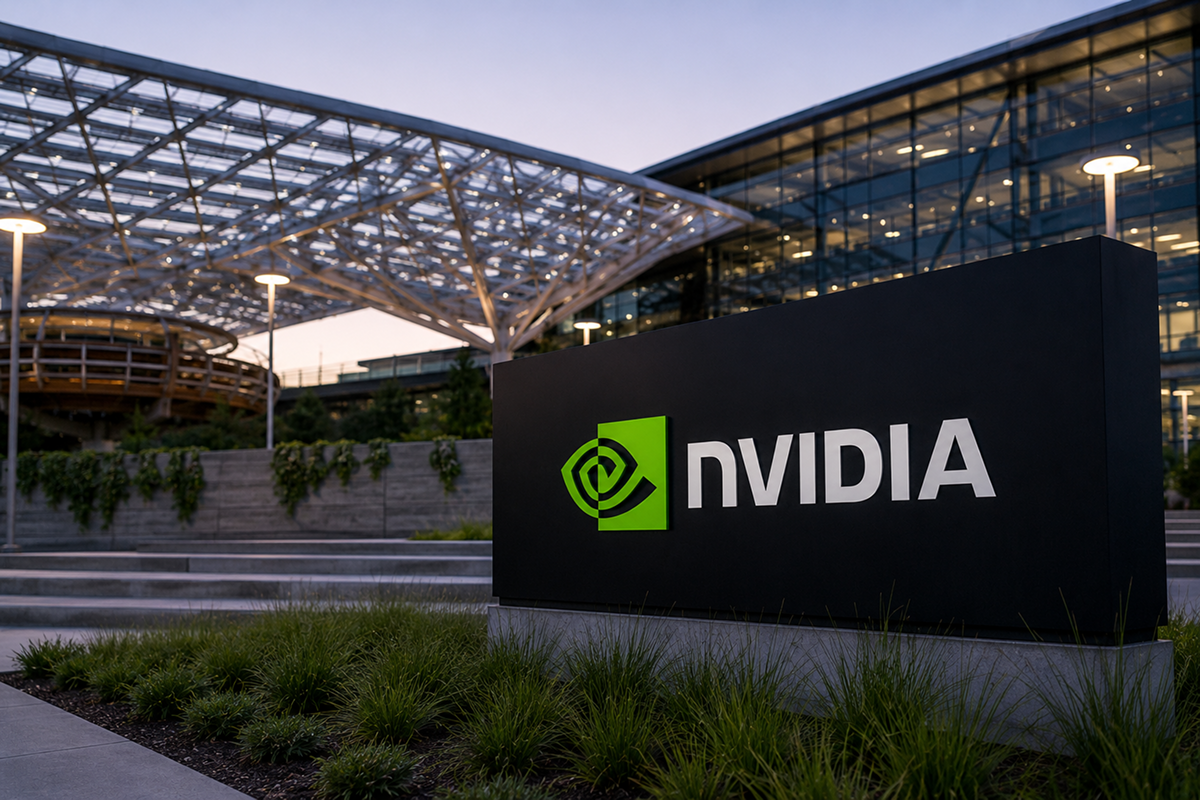
Nvidia’s massive financing ambitions are prompting a more cautious assessment on Wall Street of how much value can ultimately be attached to the company’s advanced AI chips and the infrastructure built around them. As lenders examine the possibility of using those assets as collateral, concerns about depreciation, revenue durability and recovery values are becoming increasingly important.
Wall Street Questions the Value of AI Chips as Collateral
Nvidia has positioned its advanced processors as critical infrastructure for the rapidly expanding artificial intelligence economy. However, banking sources and credit managers cited by Reuters said some lenders want higher guarantees than those initially outlined by the company, reflecting uncertainty over how long the revenue generated by the chips will last.
The issue is different from Nvidia’s ability to sell its products successfully. For lenders, the central question is what those chips would be worth if financing backed by them encountered difficulties. Unlike traditional collateral such as real estate or broadly diversified financial assets, advanced AI processors operate within a technology cycle that can change rapidly as new generations of hardware are introduced.
The $500 Billion Financing Ambition Raises New Questions
The debate emerged around a reported $500 billion chip-backed financing plan linked to the broader expansion of AI infrastructure. The scale of the proposed financing illustrates the enormous amount of capital required to build data centers, computing capacity and supporting infrastructure for increasingly demanding AI applications.
Yet the size of the financing also makes the collateral question more significant. If lenders are expected to provide substantial amounts of capital against AI-related assets, they must estimate not only their current economic value but also their potential value over the life of the financing. That requires assumptions about chip utilization, technological obsolescence and the durability of AI-related revenues.
Guarantees Could Become More Important
Sources told Reuters that deals currently in the pipeline could provide greater certainty through stronger guarantees. Such structures could help lenders address concerns surrounding the uncertainty of chip values and future cash flows without necessarily relying solely on the hardware itself as collateral.
The development highlights an important distinction in AI financing. The economic value of Nvidia’s chips may depend heavily on the infrastructure and businesses surrounding them. A processor installed in a productive data center can generate revenue through computing services, but the recoverable value of that processor could be substantially different if it were separated from the broader system.
AI Infrastructure Financing Faces a Broader Test
Nvidia has defended the underlying quality of its assets, describing the technology as “productive, durable and fungible.” The Wall Street debate nevertheless shows that lenders are applying a different test from technology investors. While investors may focus on Nvidia’s growth opportunities and the expansion of AI demand, creditors must consider downside scenarios and the value of assets under stressed conditions.
For global markets, including investors in Israel’s technology sector, the financing debate is significant because the AI expansion increasingly depends on large amounts of debt and structured capital alongside corporate investment. Going forward, markets will watch whether Nvidia and its financing partners can establish structures that satisfy lenders on collateral values, guarantees and cash-flow durability. The outcome could influence not only Nvidia’s financing strategy but also how banks and credit markets evaluate the next generation of AI infrastructure investments.
Comparison, examination, and analysis between investment houses
Leave your details, and an expert from our team will get back to you as soon as possible
* This article, in whole or in part, does not contain any promise of investment returns, nor does it constitute professional advice to make investments in any particular field.
To read more about the full disclaimer, click here
- omer bar
- •
- 6 Min Read
- •
- ago 1 hour
SKN | Tesla Deliveries Beat Forecasts as Europe Rebound Puts Auto Business Back on Growth Path
Tesla’s core automotive business showed signs of renewed momentum in the third quarter as deliveries substantially exceeded Wall Street
- ago 1 hour
- •
- 6 Min Read

Tesla’s core automotive business showed signs of renewed momentum in the third quarter as deliveries substantially exceeded Wall Street

- Lior mor
- •
- 6 Min Read
- •
- ago 9 hours
SKN | Could Micron’s Rising Margins Redefine the AI Memory Growth Story?
Micron Technology’s latest earnings have reinforced the strength of AI-driven demand for memory and storage, but the more important question
- ago 9 hours
- •
- 6 Min Read

Micron Technology’s latest earnings have reinforced the strength of AI-driven demand for memory and storage, but the more important question
- Lior mor
- •
- 6 Min Read
- •
- ago 13 hours
SKN | Micron Warns Memory Shortage Could Persist as AI Demand Outpaces Supply
The global memory-chip market is entering a phase in which demand from AI infrastructure continues to grow faster than manufacturers
- ago 13 hours
- •
- 6 Min Read

The global memory-chip market is entering a phase in which demand from AI infrastructure continues to grow faster than manufacturers

- Ronny Mor
- •
- 8 Min Read
- •
- ago 1 day
SKN | Could Apple’s New Smart Home Hub Expand Its Grip on Everyday Consumer Technology?
Apple is preparing to expand its hardware ecosystem into another area of consumers’ daily lives, with a new smart-home hub
- ago 1 day
- •
- 8 Min Read

Apple is preparing to expand its hardware ecosystem into another area of consumers’ daily lives, with a new smart-home hub
