


- Arik Arkadi Sluzki
- •
- 6 Min Read
- •
- 14 seconds ago
Key Points
- Nvidia has declined significantly from its recent peak, reflecting broader repricing in AI-driven equities.
- Historical patterns show corrections are common in high-growth leaders during strong bull cycles.
- Long-term fundamentals remain tied to AI demand, but volatility is increasing.
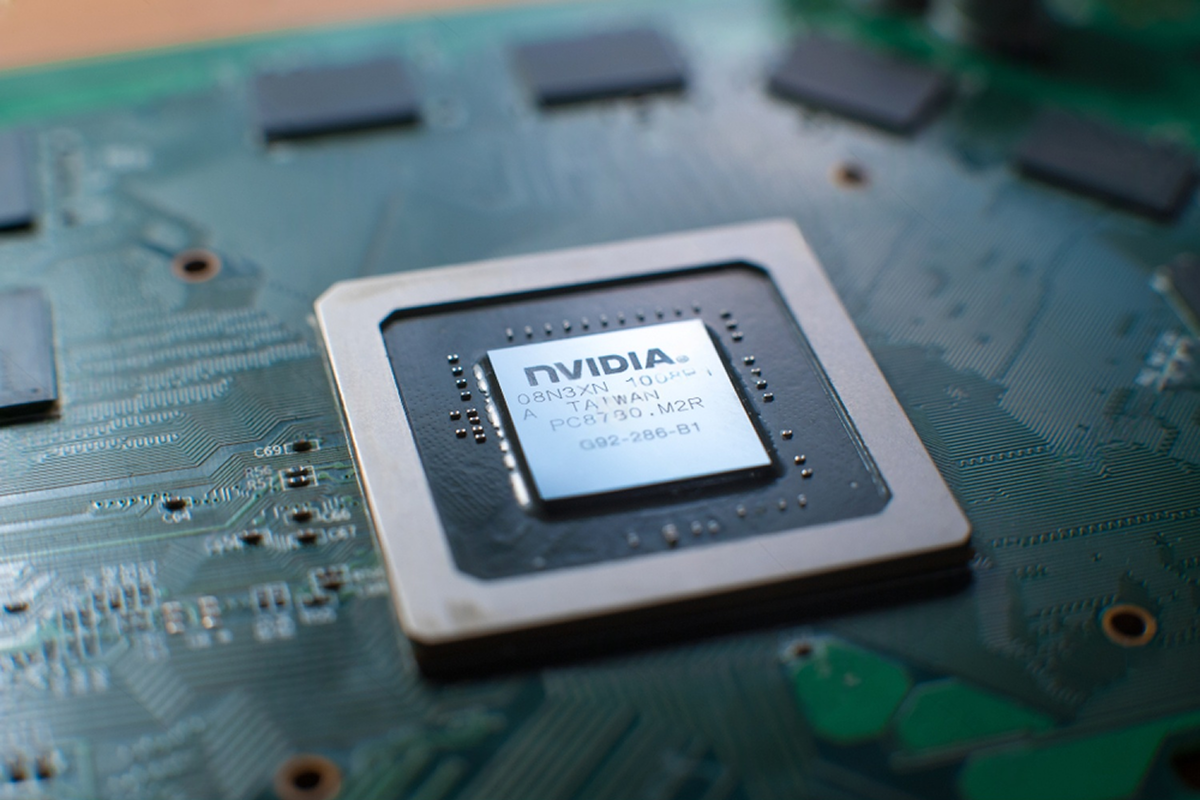
Nvidia (NASDAQ: NVDA), one of the primary beneficiaries of the artificial intelligence boom, has entered a notable correction phase after falling roughly 20% from its peak. The move comes amid a broader reassessment of high-growth technology valuations, as investors recalibrate expectations in an evolving macro environment.
Correction Within a Structural Growth Trend
Sharp pullbacks are not uncommon for market-leading growth stocks, particularly those that have experienced rapid price appreciation. Nvidia’s recent decline reflects a combination of profit-taking, valuation compression, and shifting market sentiment, rather than a clear deterioration in its core business.
Historically, leading technology companies have undergone similar corrections during extended bull runs, often resetting valuations before resuming upward trends. These phases can serve as periods of consolidation, allowing fundamentals to catch up with market expectations.
For global investors, including those in Israel with exposure to US technology equities, Nvidia’s movement highlights the cyclical nature of even the strongest growth stories.
AI Demand Remains the Core Driver
Despite the pullback, Nvidia’s underlying growth narrative remains closely tied to its dominance in AI infrastructure, data center GPUs, and high-performance computing. The company has reported strong revenue growth driven by demand for AI training and inference capabilities.
Enterprise adoption of artificial intelligence continues to expand, with companies investing heavily in computing power and data processing capabilities. Nvidia’s position within this ecosystem provides a significant competitive advantage, supported by its software stack and hardware integration.
However, expectations for continued exponential growth have contributed to elevated valuations, making the stock more sensitive to changes in sentiment and macro conditions.
Market Repricing and Sector Rotation
The broader technology sector has recently experienced a shift, with investors rotating toward companies offering more predictable earnings and lower valuation multiples. Rising interest rates and tighter financial conditions have increased the discount applied to future earnings, impacting high-growth stocks disproportionately.
Nvidia’s correction can also be seen in the context of portfolio rebalancing, as investors adjust exposure after significant gains. This dynamic often leads to increased volatility in market leaders, particularly those concentrated in thematic trends such as AI.
At the same time, semiconductor stocks remain a critical component of global equity indices, meaning that Nvidia’s performance can influence broader market sentiment and sector direction.
Looking ahead, Nvidia’s trajectory will depend on its ability to sustain strong revenue growth, expand margins, and meet elevated market expectations. Investors will closely monitor developments in AI demand, data center spending, and competitive dynamics within the semiconductor industry. While historical patterns suggest that corrections can be part of longer-term growth cycles, the path forward will be shaped by both fundamental execution and macroeconomic conditions. As volatility persists, Nvidia remains a key indicator of sentiment within the global technology sector.
Comparison, examination, and analysis between investment houses
Leave your details, and an expert from our team will get back to you as soon as possible
* This article, in whole or in part, does not contain any promise of investment returns, nor does it constitute professional advice to make investments in any particular field.
To read more about the full disclaimer, click here
- Lior mor
- •
- 6 Min Read
- •
- ago 30 minutes
SKN | Ethereum Foundation Stakes $93M in ETH: Strategic Allocation Signals Long-Term Network Confidence
The Ethereum Foundation has reportedly staked around $93 million in ETH, marking a significant step toward its strategic allocation
- ago 30 minutes
- •
- 6 Min Read

The Ethereum Foundation has reportedly staked around $93 million in ETH, marking a significant step toward its strategic allocation

- Ronny Mor
- •
- 6 Min Read
- •
- ago 3 hours
SKN | SpaceX IPO at $2 Trillion? Valuation Ambitions Signal New Era for Private Space Markets
SpaceX is reportedly moving toward a confidential initial public offering, with discussions pointing to a potential valuation approaching $2
- ago 3 hours
- •
- 6 Min Read

SpaceX is reportedly moving toward a confidential initial public offering, with discussions pointing to a potential valuation approaching $2

- sagi habasov
- •
- 6 Min Read
- •
- ago 6 hours
SKN | Hyundai’s ‘Boulder’ Concept Signals US Manufacturing Push: Strategic Shift or Competitive Necessity?
Hyundai Motor’s unveiling of its Boulder concept underscores a broader strategic pivot toward localized manufacturing in the United States.
- ago 6 hours
- •
- 6 Min Read

Hyundai Motor’s unveiling of its Boulder concept underscores a broader strategic pivot toward localized manufacturing in the United States.

- omer bar
- •
- 9 Min Read
- •
- ago 12 hours
SKN | Why Is Alibaba (BABA) Falling Despite Market Gains—and What Should Investors Watch Next?
Alibaba shares closed at $122.05 in the latest session, declining 1.36% and lagging behind broader market performance. While the S&P
- ago 12 hours
- •
- 9 Min Read
Alibaba shares closed at $122.05 in the latest session, declining 1.36% and lagging behind broader market performance. While the S&P

