





- orshu
- •
- 6 Min Read
- •
- 2 hours ago
Key Points
- The Japanese flagship Nikkei 225 Index (^N225) concluded the trading week slightly higher at 69,744.07, locking in a modest 0.40% percentage change over the trailing five-day window.
- A dramatic intraday turnaround on Friday propelled the benchmark up 1.47% (1,010.92 points) from its morning lows, finishing near the absolute peak of its day's range.
- Global allocators and institutional asset managers remain focused on Bank of Japan monetary normalization paths, Japanese Yen structural fluctuations, and shifting international equity risk appetite.
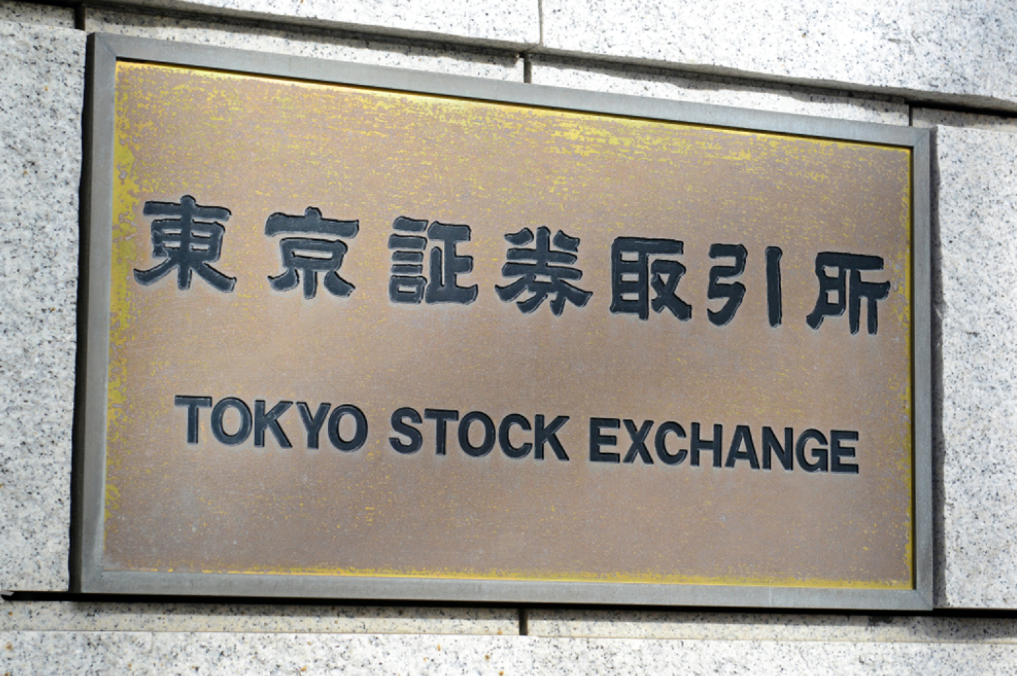
The Japanese flagship Nikkei 225 Index (^N225) finished the trading week slightly higher at 69,744.07, securing a positive percent return of 0.40% over the selected five-day trailing period across Tokyo and Osaka desks. Although the index faced intense institutional distribution during the middle of the week—wiping out an initial early-week surge—a powerful wave of buy-side liquidity during Friday’s session staged a major rescue rally. This late-week stabilization reflects a delicate rebalancing among market participants navigating global monetary policy updates and domestic export valuations.
Index Navigates Sharp Intraday Swings to Retake Key Moving Averages
The five-day trading architecture revealed an exceptionally volatile chart pattern that pushed the index across a wide multi-day band. Opening the weekly tracking window at 68,676.06 compared to its previous close of 68,733.15, the benchmark initially spiked before encountering systematic selling pressure that dragged it down to a multi-day intraday floor of 67,609.49 on Friday morning. However, short-covering forces aggressively resumed control in the afternoon, triggering a vertical surge up to an intraday high of 69,788.03 before settling the week. Floating comfortably within its broader 52-week parameters of 39,288.90 to 72,831.73, this technical reversal underscores resilient institutional demand near structural support baselines.
Monetary Normalization Trajectories and Exchange Rate Re-Calibrations
The primary fundamental engine steering Tokyo’s large-cap equities centers on fluid adjustments to global fixed-income yields and evolving Bank of Japan (BoJ) policy paths. Recent cooler-than-expected employment and macroeconomic indicators out of the United States have accelerated expectations for interest-rate reductions by the Federal Reserve, sparking a broad relief rally across international equity complexes. For Japan’s heavily weighted export sector, a shifting global interest-rate environment directly alters relative bond yield differentials, compressing the wide yield advantage that has historically driven capital flows. As the BoJ carefully evaluates its own quantitative tightening timeline, domestic businesses must optimize operations for a less predictable credit environment.
Cross-Border Capital Flows and Multi-Asset Risk Controls
For internationally diversified portfolio managers and local multi-asset allocators, the Nikkei’s heightened price action highlights the critical importance of tracking currency volatility and shifting geopolitical premiums. Fluctuations in the Japanese Yen relative to the U.S. Dollar and the Israeli Shekel directly alter real net total returns for cross-border holders, making active foreign exchange risk mitigation a structural necessity for global funds. Concurrently, regional trade flows and changing multinational supply-chain targets introduce variable risk variables, forcing global investment desks to balance aggressive tactical growth exposure with disciplined capital preservation strategies.
Outlook
Looking ahead, the near-term outlook for the Nikkei 225 Index remains constructively balanced, though the market will likely undergo a validation phase as it digests its sharp pre-weekend upward move. Investors will intensely focus on the upcoming corporate earnings reporting cycle to verify whether core technology, automotive, and industrial pioneers can continue delivering resilient corporate guidance that justifies current market multiples. While extended geopolitical frictions and localized export disruptions present prominent downside risks, evidence of sustained global macroeconomic stabilization and a cooling greenback could provide the necessary technical foundation to challenge intermediate resistance zones near 71,500, though future adjustments are highly anticipated to materialize in a gradual rather than linear progression.
Comparison, examination, and analysis between investment houses
Leave your details, and an expert from our team will get back to you as soon as possible
* This article, in whole or in part, does not contain any promise of investment returns, nor does it constitute professional advice to make investments in any particular field.
To read more about the full disclaimer, click here
- sagi habasov
- •
- 7 Min Read
- •
- ago 55 minutes
SKN | Hang Seng Index Snaps Back to Erase Early-Week Dips as Easing US Rate Fears and Tech Bargain Hunting Uplift Hong Kong Equities
The benchmark Hang Seng Index (^HSI) concluded the trading week higher at 23,350.03, registering a positive percent return of
- ago 55 minutes
- •
- 7 Min Read

The benchmark Hang Seng Index (^HSI) concluded the trading week higher at 23,350.03, registering a positive percent return of

- Ronny Mor
- •
- 7 Min Read
- •
- ago 2 hours
SKN | KOSPI Composite Index Declines Over Five-Day Frame Despite Explosive Friday Turnaround in South Korean Equities
The South Korean flagship KOSPI Composite Index (^KS11) finished the trading week lower at 8,088.34, registering a negative percent
- ago 2 hours
- •
- 7 Min Read

The South Korean flagship KOSPI Composite Index (^KS11) finished the trading week lower at 8,088.34, registering a negative percent

- omer bar
- •
- 7 Min Read
- •
- ago 3 hours
SKN | Euro Currency Index Advances as Soft US Macro Data and Narrowing Yield Differentials Boost the Common Currency
The Euro Currency Index (^XDE) finished the holiday-shortened trading week higher at 114.32, registering a positive percent return of
- ago 3 hours
- •
- 7 Min Read

The Euro Currency Index (^XDE) finished the holiday-shortened trading week higher at 114.32, registering a positive percent return of

- Lior mor
- •
- 7 Min Read
- •
- ago 4 hours
SKN | British Pound Currency Index Gains Over Selected Window as Easing Global Rate Pressures Support Sterling
The British Pound Currency Index (^XDB) finished the abbreviated trading week higher at 133.48, registering a positive percent return
- ago 4 hours
- •
- 7 Min Read

The British Pound Currency Index (^XDB) finished the abbreviated trading week higher at 133.48, registering a positive percent return


