


- sagi habasov
- •
- 8 Min Read
- •
- 9 seconds ago
Key Points
- New Zealand is reducing new government spending while maintaining its commitment to a long-term fiscal surplus path.
- Policymakers are balancing slower economic growth, inflation pressures, and elevated borrowing costs within a cautious fiscal framework.
- Markets are closely monitoring the implications for the New Zealand dollar, bond yields, and broader regional economic stability.
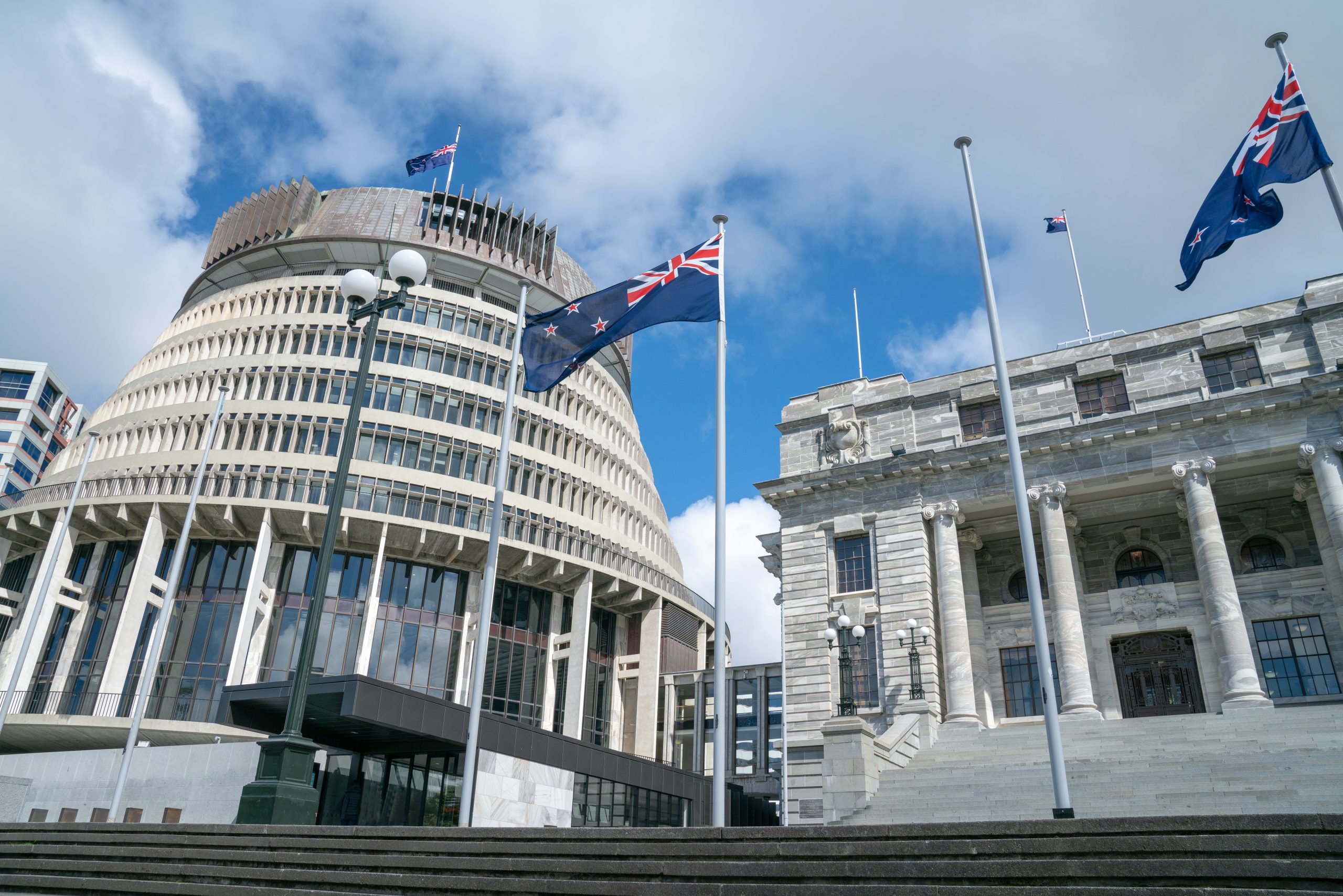
New Zealand is moving toward a more restrained fiscal approach as the government seeks to limit new spending commitments while staying on track toward a budget surplus. The strategy reflects growing concern over global economic uncertainty, slower domestic growth conditions, and the need to preserve fiscal credibility at a time when inflation and financing costs remain elevated. For global investors, including those in Israel monitoring Asia-Pacific macro trends, the policy direction highlights how smaller developed economies are adapting to a prolonged period of tighter financial conditions.
Fiscal Discipline Becomes Central to Economic Strategy
The government’s decision to curb new spending underscores a broader shift toward fiscal consolidation following years of expansionary policies introduced during periods of economic disruption and inflationary pressure. Officials are increasingly prioritizing debt sustainability and long-term budget stability as borrowing costs remain significantly higher than in the ultra-low interest rate environment that characterized much of the previous decade.
Maintaining a path toward fiscal surplus is particularly important for preserving investor confidence in sovereign debt markets. Rating agencies and institutional investors often view disciplined fiscal management as a critical factor in maintaining stable funding conditions, especially for smaller open economies exposed to external trade and capital flow volatility.
The move also reflects growing pressure on governments globally to balance public investment needs with rising debt servicing costs. New Zealand’s approach mirrors similar efforts across developed economies where policymakers are attempting to contain deficits without undermining already fragile growth momentum.
Economic Slowdown and Inflation Risks Shape Policy Decisions
The fiscal tightening comes as New Zealand’s economy faces weaker domestic demand, softer consumer activity, and lingering inflation concerns. Higher interest rates have weighed on housing markets and household spending, while businesses continue to navigate elevated operating costs and uncertain global demand conditions.
Although inflation has moderated compared with peak levels reached during earlier tightening cycles, price pressures remain above many central bank targets globally. This limits the flexibility of both fiscal and monetary authorities, forcing governments to adopt more cautious spending strategies.
For financial markets, restrained fiscal expansion may reduce concerns about overheating and support longer-term inflation stabilization. However, tighter public spending can also dampen short-term economic growth, particularly in sectors dependent on infrastructure investment and government-supported activity.
Israeli investors with exposure to global fixed-income markets and Asia-Pacific assets are closely watching whether New Zealand’s fiscal restraint contributes to more stable sovereign bond conditions or amplifies domestic growth challenges.
Currency and Bond Markets React to Fiscal Credibility
New Zealand’s fiscal position remains an important driver of investor sentiment toward the New Zealand dollar and government bond markets. A commitment to surplus targets may support confidence in the country’s macroeconomic stability, particularly during periods of heightened global volatility.
Currency markets often reward fiscal discipline when it strengthens perceptions of policy credibility and reduces sovereign risk concerns. At the same time, slower growth expectations could limit upside momentum for the New Zealand dollar if investors anticipate weaker economic activity or future monetary easing.
Bond investors are also assessing how reduced spending may influence future debt issuance and long-term yield dynamics. Lower borrowing needs can ease pressure on sovereign debt markets, although economic slowdown risks remain a key variable for fixed-income positioning.
The broader regional implications are also relevant, as Asia-Pacific economies continue adjusting to weaker trade momentum, changing commodity demand patterns, and persistent uncertainty surrounding global interest rate trajectories.
Outlook: Balancing Fiscal Stability With Growth Pressures
Looking ahead, investors and policymakers will closely monitor whether New Zealand can maintain its fiscal consolidation strategy without triggering a sharper economic slowdown. Key indicators include labor market conditions, inflation trends, consumer spending data, and Reserve Bank policy signals over upcoming quarters.
Risks include weaker-than-expected growth, prolonged pressure on household consumption, and external shocks tied to global trade or commodity markets. On the other hand, sustained fiscal discipline combined with moderating inflation could strengthen long-term investor confidence and improve financial stability conditions.
Overall, New Zealand’s decision to reduce new spending while preserving its surplus trajectory reflects the increasingly delicate balance facing developed economies as they attempt to restore fiscal resilience in a higher-rate and slower-growth global environment.
Comparison, examination, and analysis between investment houses
Leave your details, and an expert from our team will get back to you as soon as possible
* This article, in whole or in part, does not contain any promise of investment returns, nor does it constitute professional advice to make investments in any particular field.
To read more about the full disclaimer, click here
- omer bar
- •
- 6 Min Read
- •
- ago 11 hours
SKN | Inflation’s Old Ceiling Is Becoming the New Floor — Why Wage Growth Is Struggling to Keep Up
Inflation that was once viewed as temporary is increasingly becoming embedded across major economies, raising concerns that elevated price
- ago 11 hours
- •
- 6 Min Read

Inflation that was once viewed as temporary is increasingly becoming embedded across major economies, raising concerns that elevated price

- Lior mor
- •
- 5 Min Read
- •
- ago 12 hours
SKN | Inflation Accelerates as Consumer Prices Jump 3.8% in April on Rising Energy Costs
Global inflation concerns intensified after consumer prices surged 3.8% in April compared with a year earlier, underscoring the persistent
- ago 12 hours
- •
- 5 Min Read

Global inflation concerns intensified after consumer prices surged 3.8% in April compared with a year earlier, underscoring the persistent
- omer bar
- •
- 5 Min Read
- •
- ago 15 hours
SKN | Inflation Data in Focus as Markets Gauge the Iran War’s Ongoing Impact on Prices
Global markets are turning their attention to Tuesday’s inflation report, which is expected to provide a clearer picture of
- ago 15 hours
- •
- 5 Min Read

Global markets are turning their attention to Tuesday’s inflation report, which is expected to provide a clearer picture of
- Lior mor
- •
- 8 Min Read
- •
- ago 24 hours
SKN | Rising Costs Weigh on Australian Business Confidence as Economic Pressures Intensify
Australian business confidence has deteriorated as rising operational expenses and persistent cost pressures continue to challenge companies across multiple sectors
- ago 24 hours
- •
- 8 Min Read

Australian business confidence has deteriorated as rising operational expenses and persistent cost pressures continue to challenge companies across multiple sectors

