


- Lior mor
- •
- 7 Min Read
- •
- 9 hours ago
Key Points
- Newly appointed Bank of Korea board member Kim Jin-ill warned that inflation concerns are intensifying due to higher oil prices linked to the ongoing Middle East conflict.
- South Korea’s economy continues showing improvement through strength in the technology sector, though uncertainty surrounding global investment and domestic inequality remains elevated.
- The Bank of Korea is also closely monitoring financial stability risks tied to capital flows, household debt, and rising housing prices ahead of its upcoming policy meeting.
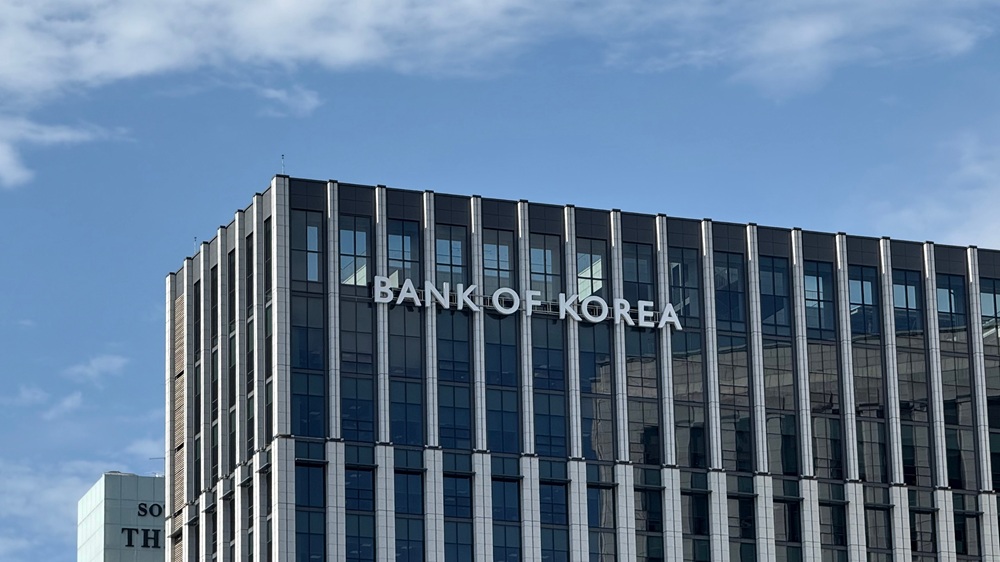
South Korea’s newest central bank board member, Kim Jin-ill, warned on Friday that inflation risks are becoming more serious as higher global oil prices continue feeding into the economy.
Kim stated that inflation concerns have intensified because of the Middle East conflict, which has sharply increased energy prices and contributed to broader uncertainty across financial markets.
The comments come as central banks globally are increasingly reassessing interest rate expectations amid persistent inflationary pressures tied to energy markets and geopolitical instability.
Kim officially began his four-year term on the Bank of Korea’s seven-member monetary policy board on Friday and will participate in his first interest rate decision meeting on May 28.
Technology Sector Continues Supporting Growth
Despite rising inflation concerns, Kim noted that South Korea’s economy continues showing signs of improvement, particularly through the performance of the technology sector.
South Korea remains heavily exposed to global semiconductor, electronics, and artificial intelligence supply chains, which have continued benefiting from strong demand tied to data centers, AI infrastructure, and advanced chip production.
The country’s major technology and chip companies have played a significant role in supporting broader economic momentum even as external risks increase.
However, Kim cautioned that uncertainty surrounding global investment conditions remains elevated amid ongoing geopolitical tensions and shifting monetary policy expectations.
Middle East Conflict Adds Economic Uncertainty
The ongoing conflict in the Middle East has become a growing concern for policymakers across Asia due to its impact on oil prices, inflation, shipping routes, and financial markets.
South Korea is particularly vulnerable to energy market disruptions because of its heavy dependence on imported oil and raw materials.
Higher energy prices directly affect transportation costs, manufacturing expenses, consumer prices, and corporate profitability throughout the economy.
Kim’s remarks reflect broader concerns among Asian central banks that inflationary pressures tied to energy markets may prove more persistent than previously expected.
Financial Stability Risks Remain Elevated
Kim also highlighted concerns surrounding financial stability, particularly risks tied to capital flows, household debt, and housing markets.
South Korea has long faced challenges involving elevated household leverage and volatile property prices, both of which remain important issues for policymakers.
Rising global interest rates and stronger US Treasury yields could increase pressure on emerging-market capital flows and currency stability across Asia.
The Bank of Korea is therefore balancing multiple challenges simultaneously, including inflation control, economic growth support, financial system stability, and currency market risks.
Markets Watching Upcoming Rate Decision
Investors are now closely watching the Bank of Korea’s upcoming monetary policy meeting later this month for additional signals regarding future interest rate policy.
Global markets have recently shifted toward expecting tighter monetary conditions as inflation data continues surprising to the upside in several major economies.
The Bank of Korea’s policy path may increasingly depend on how energy prices, inflation trends, and global financial conditions evolve over the coming months.
Analysts believe South Korea’s central bank could face growing pressure to maintain relatively restrictive policy settings if inflation remains elevated and financial stability risks continue increasing.
Central Banks Face Increasingly Difficult Environment
Kim’s comments add to a growing list of warnings from central bankers globally regarding the difficult balance between controlling inflation and protecting economic growth.
Persistently high oil prices, geopolitical uncertainty, and tighter global financial conditions are creating challenges for both developed and emerging economies.
While technology and artificial intelligence investment continue supporting parts of the global economy, policymakers remain concerned that inflation and financial risks could become more entrenched if energy disruptions persist.
Comparison, examination, and analysis between investment houses
Leave your details, and an expert from our team will get back to you as soon as possible
* This article, in whole or in part, does not contain any promise of investment returns, nor does it constitute professional advice to make investments in any particular field.
To read more about the full disclaimer, click here
- Lior mor
- •
- 6 Min Read
- •
- ago 3 hours
SKN | Gold Falls as US Dollar and Treasury Yields Surge on Inflation Worries
Gold prices moved sharply lower as investors reacted to rising Treasury yields, persistent inflation concerns, and renewed strength in
- ago 3 hours
- •
- 6 Min Read

Gold prices moved sharply lower as investors reacted to rising Treasury yields, persistent inflation concerns, and renewed strength in

- sagi habasov
- •
- 8 Min Read
- •
- ago 3 hours
SKN | Metals From Copper to Gold Slide as Inflation Fears Trigger Broad Commodity Selloff
Global metals markets came under heavy pressure as investors reacted to mounting inflation fears tied to ongoing geopolitical tensions
- ago 3 hours
- •
- 8 Min Read

Global metals markets came under heavy pressure as investors reacted to mounting inflation fears tied to ongoing geopolitical tensions

- omer bar
- •
- 6 Min Read
- •
- ago 4 hours
SKN | Why Are Investors Buying Honda Shares Despite Its Worst Earnings Loss in Decades?
Markets appeared willing to overlook Honda’s historic earnings setback because the company’s forward guidance came in significantly above analyst expectations.
- ago 4 hours
- •
- 6 Min Read

Markets appeared willing to overlook Honda’s historic earnings setback because the company’s forward guidance came in significantly above analyst expectations.
- sagi habasov
- •
- 8 Min Read
- •
- ago 9 hours
SKN | Global Bond Selloff Deepens as Inflation Fears Shake Markets
Global bond markets closed out a turbulent week under heavy selling pressure as investors reassessed the outlook for inflation, interest
- ago 9 hours
- •
- 8 Min Read

Global bond markets closed out a turbulent week under heavy selling pressure as investors reassessed the outlook for inflation, interest

