




- Ronny Mor
- •
- 7 Min Read
- •
- 13 seconds ago


Key Points
- Google is interested in renting more computing capacity from SpaceX, according to Elon Musk, although no further details were provided.
- SpaceX and Google already have a multi-year cloud services agreement covering computing capacity.
- Under the existing deal, Google is scheduled to pay SpaceX $920 million per month from October 2026 through June 2029, highlighting the scale of demand for cloud and AI computing infrastructure.

Google is considering expanding its use of SpaceX’s computing infrastructure, according to Elon Musk, highlighting the increasingly important relationship between satellite operators and major technology companies seeking additional computing capacity. The development comes as demand for cloud infrastructure and artificial intelligence computing continues to place pressure on technology companies to secure large and reliable sources of capacity.
Google Signals Potentially Greater Demand for SpaceX Capacity
Musk said on November 28 in a post on X that Google was interested in renting more computing capacity from SpaceX. He did not provide details about the amount of additional capacity under consideration, its potential timing or the specific applications involved.
SpaceX, Musk and Google did not immediately respond to Reuters requests for comment. As a result, the latest statement does not represent a confirmed expansion of the existing commercial agreement and should be viewed as an indication of potential future demand rather than a finalized transaction.
Nevertheless, the development is strategically significant because Google operates one of the world’s largest cloud computing platforms and has substantial requirements for infrastructure supporting artificial intelligence and other data-intensive applications.
Existing Agreement Shows the Scale of the Relationship
Google and SpaceX already maintain a multi-year cloud services agreement that was signed before SpaceX’s blockbuster initial public offering. Under the terms of the deal announced in June, Google is scheduled to pay SpaceX $920 million monthly from October 2026 through June 2029.
The size and duration of that commitment demonstrate how significant computing capacity has become within the broader SpaceX-Google relationship. It also illustrates the growing commercial value of infrastructure capable of supporting large-scale data processing and connectivity requirements.
If Google ultimately expands its use of SpaceX capacity, the additional arrangement could strengthen the financial relationship between the two companies while providing SpaceX with another large technology customer for its computing infrastructure.
SpaceX Is Expanding Beyond Satellite Connectivity
The potential expansion comes as SpaceX pursues a broader strategy that extends beyond its established satellite communications business. The company has received U.S. authorization to deploy up to 1 million satellites for space-based data centers, with the proposed Starmind constellation intended to address rapidly growing demand for AI computing.
The combination of satellite connectivity, cloud services and orbital computing could eventually give SpaceX a more significant role in the global technology infrastructure market. However, the economics and technical feasibility of large-scale orbital computing remain subject to substantial development and execution risks.
AI Infrastructure Becomes a Strategic Priority
For Google, additional access to computing capacity could provide greater flexibility as AI workloads continue to expand. For SpaceX, potential demand from major cloud providers could strengthen the commercial case for expanding its computing infrastructure.
For Israeli and international investors, the development underscores how AI infrastructure is increasingly becoming a strategic asset across the technology sector. The next indicators to watch will be whether Google confirms additional capacity commitments, whether other major cloud providers pursue similar arrangements and how SpaceX converts its growing infrastructure ambitions into recurring commercial revenue. Until further details emerge, Musk’s statement represents an important signal of potential demand rather than a completed expansion of the existing agreement.
Comparison, examination, and analysis between investment houses
Leave your details, and an expert from our team will get back to you as soon as possible
* This article, in whole or in part, does not contain any promise of investment returns, nor does it constitute professional advice to make investments in any particular field.
To read more about the full disclaimer, click here
- Arik Arkadi Sluzki
- •
- 7 Min Read
- •
- ago 18 hours
SKN | Japan Tobacco Shares Surge as Imperial Brands Breakup Talks Gain Momentum
Japan Tobacco shares surged on November 27 as investors assessed the possibility that the Japanese tobacco group could join
- ago 18 hours
- •
- 7 Min Read

Japan Tobacco shares surged on November 27 as investors assessed the possibility that the Japanese tobacco group could join

- Lior mor
- •
- 7 Min Read
- •
- ago 19 hours
SKN | SpaceX’s Starmind: What Could One Million Satellites Mean for AI, Earth and Space?
The U.S. Federal Communications Commission's authorization for SpaceX to deploy up to 1 million satellites marks a potentially transformative
- ago 19 hours
- •
- 7 Min Read
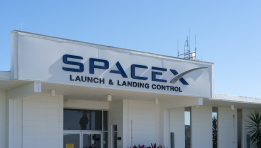
The U.S. Federal Communications Commission's authorization for SpaceX to deploy up to 1 million satellites marks a potentially transformative

- sagi habasov
- •
- 5 Min Read
- •
- ago 19 hours
SKN | OpenAI Countersues Apple Over Alleged Trade Secret Theft and Supplier Restrictions
OpenAI Escalates Legal Dispute With Apple OpenAI has countersued Apple, accusing the technology company of stealing its trade secrets and
- ago 19 hours
- •
- 5 Min Read

OpenAI Escalates Legal Dispute With Apple OpenAI has countersued Apple, accusing the technology company of stealing its trade secrets and
- Lior mor
- •
- 6 Min Read
- •
- ago 21 hours
SKN | Could Elon Musk’s Chip Commitments Strengthen Samsung’s Position in the AI Semiconductor Race?
The intensifying demand for artificial intelligence infrastructure is increasingly pushing technology companies to secure semiconductor supply through long-term commercial
- ago 21 hours
- •
- 6 Min Read
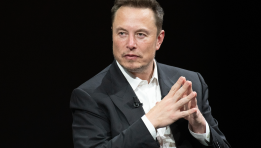
The intensifying demand for artificial intelligence infrastructure is increasingly pushing technology companies to secure semiconductor supply through long-term commercial
