




- orshu
- •
- 6 Min Read
- •
- 17 seconds ago


Key Points
- The KOSPI Composite Index (^KS11) recorded a daily session decline of 1.79% (123.49 points) to close at 6,788.88, while securing a 5-day weekly net gain of 1.37%.
- A dynamic trading session on the Korea Stock Exchange (KSE) saw the South Korean benchmark open at 6,846.54 and navigate an intraday channel between 6,780.13 and 6,901.78 from a previous close of 6,912.37.
- Trading volume reached 292,615 shares against a 3-month average daily volume of 413,986, as the index trades in the upper-middle spectrum of its 52-week corridor of 3,135.02 to 9,385.59.
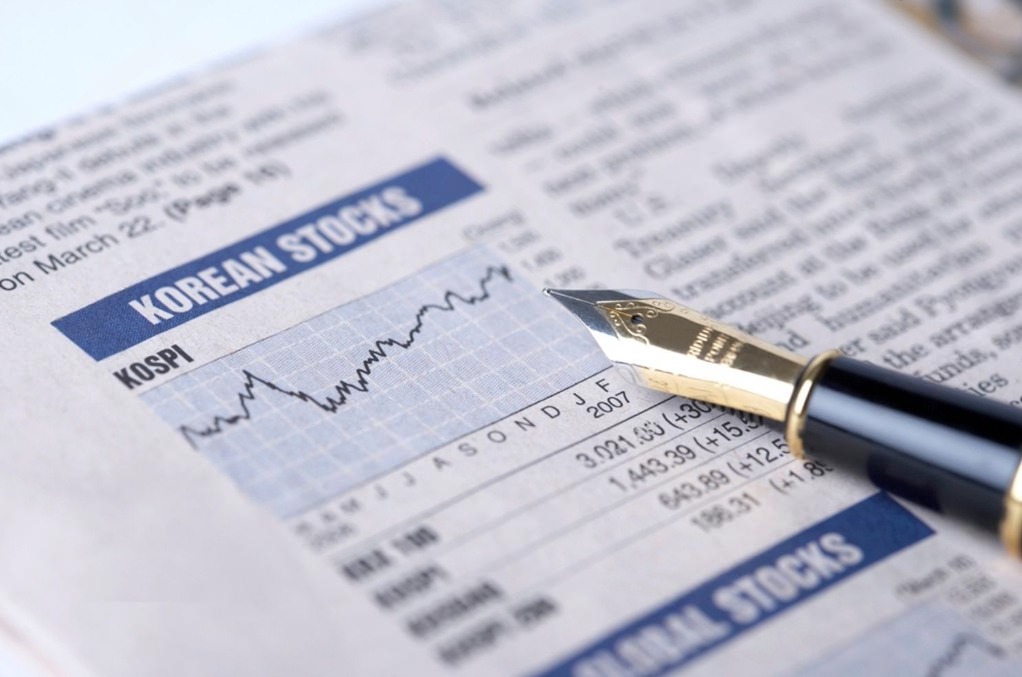
The KOSPI Composite Index (^KS11) finished the trading session on August 28, 2026, lower, dropping 1.79% (123.49 points) to settle near 6,788.88. The single-day retreat halted a three-session winning streak while preserving a 5-day weekly net gain of 1.37%, as Asian equity investors engaged in selective profit-taking across semiconductor and technology heavyweights. For global investors, including institutional asset managers in Israel tracking Asian growth equity universe exposure, semiconductor supply chain overlays, and multi-currency portfolio management, the KOSPI serves as the primary benchmark for South Korean corporate execution and Asian capital market vitality.
Intraday Channel Navigation and 52-Week Range Metrics
During the August 28 session, the benchmark opened at 6,846.54 and touched an intraday peak of 6,901.78 before navigating a downward channel to a low of 6,780.13 and settling at 6,788.88 (with chart intra-session levels leveling near 6,790.42 and secondary chart baselines marked at 6,505.65). This represents a reduction of 123.49 points (or 1.79%) relative to its previous close of 6,912.37. Session trading volume was logged at 292,615 shares compared to a 3-month average daily volume of 413,986. The closing quote leaves the South Korean flagship index positioned in the upper-middle tier of its broader 52-week trading corridor of 3,135.02 to 9,385.59, confirming ongoing technical consolidation.
Semiconductor Heavyweights and Technology Export Leadership
A primary structural driver influencing the August 28 pullback was widespread profit-taking in memory chipmakers—specifically Samsung Electronics (down 3.38%) and SK Hynix (down 4.45%)—following multi-day rallies. Concurrent selling by foreign and institutional investors pressed index valuations, even as capital rotated into non-chip segments including construction, machinery, financials, apparel, and cosmetics. Global asset managers continue integrating Korean technology and industrial growth overlays within broader strategic asset allocation models to capture long-term hardware demand across resilient capital markets.
Bank of Korea Policy Trajectory, Won FX Dynamics, and Macro Risks
While near-term technical support above 6,780.13 has held, market participants continue closely monitoring macroeconomic policy adjustments. The Bank of Korea (BOK) recently raised its benchmark interest rate by 25 basis points to 3.00%, raising its 2026 economic growth outlook to 3.3% on the back of strong semiconductor export volumes. Meanwhile, the South Korean Won strengthened to 1,380.9 per U.S. Dollar. Persistent currency volatility across South Korean Won (KRW) foreign exchange channels, alongside Federal Reserve interest rate guidance and global trade volume updates, introduces ongoing variables for cross-border corporate earnings translation into foreign currencies. Israeli institutional allocators managing multi-currency portfolios remain focused on tracking these macroeconomic variables to evaluate risk-adjusted return profiles accurately.
Outlook: The outlook for the KOSPI Composite Index remains neutrally balanced with a bullish bias, with technical momentum favoring a period of consolidation in the 6,500 to 6,800 range to foster broader economic stabilization before attempting another push toward the 7,000 threshold. Sustainable upside expansion toward its 52-week peak past 9,385.59 will likely depend on verified chip earnings momentum, predictable central bank monetary execution, and robust global technology investment. However, professional asset allocators should remain highly attentive to prominent downside risks, including foreign capital outflows, semiconductor volatility, or global trade frictions. Ultimately, future index performance will depend on the delicate balance between Korean enterprise execution and evolving global macroeconomic conditions.
Comparison, examination, and analysis between investment houses
Leave your details, and an expert from our team will get back to you as soon as possible
* This article, in whole or in part, does not contain any promise of investment returns, nor does it constitute professional advice to make investments in any particular field.
To read more about the full disclaimer, click here
- omer bar
- •
- 8 Min Read
- •
- ago 5 hours
SKN | Can Disorderly Yen Moves Destabilize Global Markets? Bessent Warns of Forced Unwinds
The Japanese yen has again emerged as a potential source of global financial instability, prompting an unusually direct warning
- ago 5 hours
- •
- 8 Min Read

The Japanese yen has again emerged as a potential source of global financial instability, prompting an unusually direct warning

- Ramil
- •
- 7 Min Read
- •
- ago 5 hours
SKN | Big Tech Faces a Pivotal Week as Apple Leadership Transition and Tesla Robotaxi Event Take Center Stage
The coming week could bring two closely watched developments for the global technology sector, according to the attached market
- ago 5 hours
- •
- 7 Min Read

The coming week could bring two closely watched developments for the global technology sector, according to the attached market

- sagi habasov
- •
- 9 Min Read
- •
- ago 6 hours
SKN | OpenAI Moves to Cut Off Cursor Models as Rivalry With Musk’s SpaceX Escalates
OpenAI plans to cut off access to its artificial intelligence models for Cursor, the fast-growing coding platform now owned
- ago 6 hours
- •
- 9 Min Read

OpenAI plans to cut off access to its artificial intelligence models for Cursor, the fast-growing coding platform now owned

- Arik Arkadi Sluzki
- •
- 8 Min Read
- •
- ago 6 hours
SKN | CFTC Fines Former White House Aide $172,000 Over Trades Based on Trump Speech Information
The U.S. Commodity Futures Trading Commission has ordered former White House teleprompter operator Gabriel Perez to pay $172,539 after
- ago 6 hours
- •
- 8 Min Read
The U.S. Commodity Futures Trading Commission has ordered former White House teleprompter operator Gabriel Perez to pay $172,539 after
