




- omer bar
- •
- 8 Min Read
- •
- 1 minute ago


Key Points
- U.S. Treasury Secretary Scott Bessent warned that disorderly movements in the Japanese yen could trigger forced unwinds across global financial markets.
- The U.S. and Japan carried out a rare joint yen-buying intervention in July as the currency approached historically weak levels.
- Washington argues that stabilizing the yen could help prevent broader market disruption and rising borrowing costs for households and businesses.
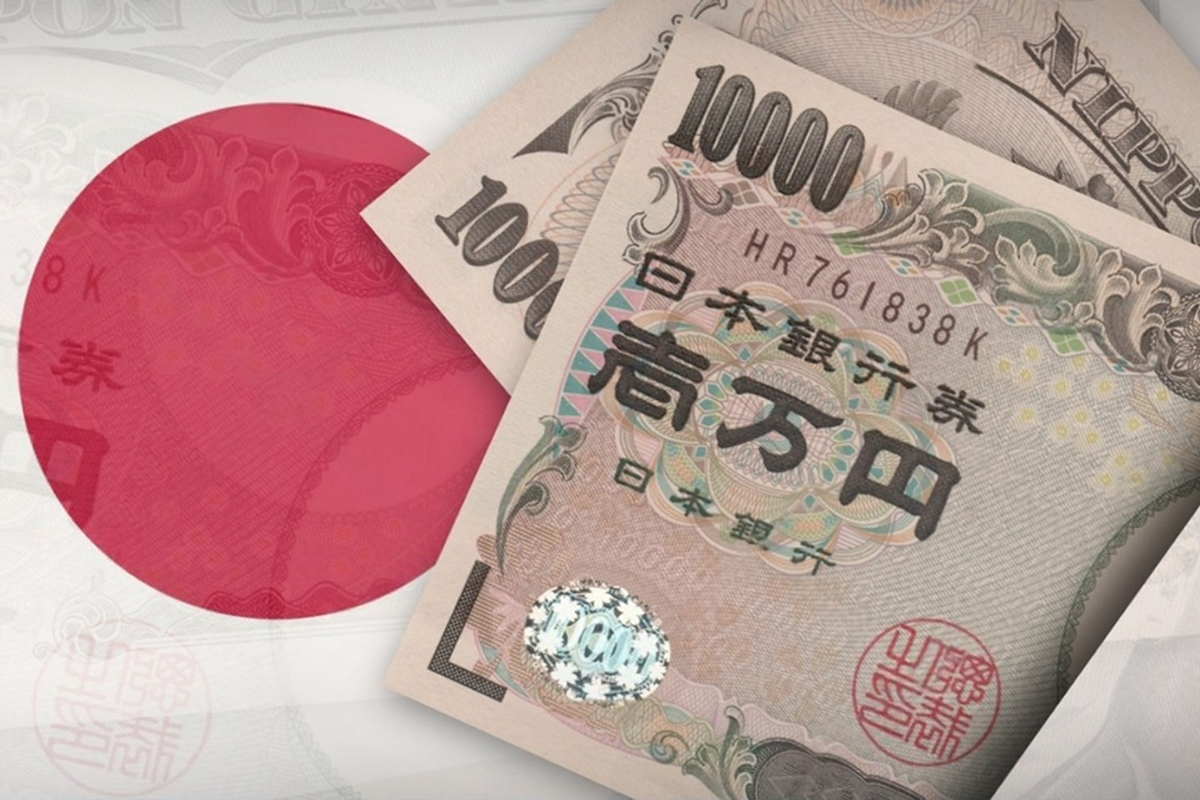
The Japanese yen has again emerged as a potential source of global financial instability, prompting an unusually direct warning from U.S. Treasury Secretary Scott Bessent. His comments highlight how sharp currency movements can extend far beyond foreign-exchange markets, potentially affecting leveraged investment positions, government bond markets and borrowing costs across the global economy.
In a letter dated August 27 and later published on X, Bessent defended Washington’s decision to join Japan in a rare currency intervention last month. The episode underscores growing concern that a disorderly decline in one of the world’s most important currencies could trigger broader financial consequences.
Why the Yen Matters to Global Markets
Bessent warned that disorderly movements in the yen could trigger “forced unwinds” of financial positions, creating instability that could eventually raise borrowing costs for U.S. households and businesses. The concern reflects the yen’s central role in global capital markets, where Japanese interest rates and currency movements influence investment flows far beyond Japan.
When currencies move rapidly, investors using leverage can be forced to close positions quickly, amplifying volatility across equities, bonds and foreign-exchange markets. A sharp reversal in the yen could therefore create pressure on international portfolios and potentially spill into broader funding markets.
The warning is particularly significant because the yen had recently approached levels not seen in decades. Although the currency recovered after coordinated intervention, it subsequently weakened again toward 160 per U.S. dollar, demonstrating that official action has not eliminated the underlying market pressure.
A Rare Show of U.S.-Japan Coordination
On July 31, Japan and the United States conducted a rare joint yen-buying intervention, signaling their determination to prevent weakness in the Japanese currency and government bond market from spreading internationally. The yen had reached a 40-year low near 164 per dollar before recovering sharply following the intervention.
The currency later surged to approximately 155.20 per dollar but weakened again toward 160. On Friday, the yen briefly slipped beyond that psychologically important threshold after comments from Federal Reserve Chair Kevin Warsh strengthened expectations of a potential near-term U.S. interest-rate increase.
Higher U.S. interest rates can widen the yield advantage of dollar-denominated assets relative to Japanese investments, increasing pressure on the yen. That dynamic creates a difficult environment for Japanese policymakers, particularly if currency weakness begins to affect inflation expectations, capital flows or domestic bond markets.
The Exchange Stabilization Fund Takes Center Stage
Bessent said the U.S. Treasury used its Exchange Stabilization Fund, or ESF, to conduct the intervention by exchanging foreign-currency assets for yen. The fund is an emergency reserve managed by the Treasury to support foreign-exchange and domestic financial-market stability.
He compared the operation with Washington’s earlier intervention to support Argentina during a period of acute market stress. The Treasury previously used the ESF to help stabilize Argentina’s peso market and provide a $20 billion currency swap line.
Bessent argued that preventive intervention can be preferable to allowing a localized market problem to become a broader financial crisis. His defense of the yen operation suggests that Washington increasingly views financial stability as interconnected across currencies, sovereign debt markets and international capital flows.
What Global Investors Should Watch Next
The immediate focus will remain on the yen’s movement around the 160-per-dollar level, expectations for a potential Bank of Japan interest-rate increase and the trajectory of U.S. monetary policy. A further divergence between Japanese and U.S. interest rates could renew pressure on the currency and raise the prospect of additional official action.
For global markets, including internationally exposed investors in Israel, the broader issue is whether currency volatility begins forcing the rapid liquidation of leveraged positions. The July intervention demonstrated that policymakers are prepared to coordinate when they believe market moves threaten wider stability. The next test will be whether intervention and monetary-policy adjustments can restore confidence without creating further distortions in global capital flows.
Comparison, examination, and analysis between investment houses
Leave your details, and an expert from our team will get back to you as soon as possible
* This article, in whole or in part, does not contain any promise of investment returns, nor does it constitute professional advice to make investments in any particular field.
To read more about the full disclaimer, click here
- Ramil
- •
- 7 Min Read
- •
- ago 1 minute
SKN | Big Tech Faces a Pivotal Week as Apple Leadership Transition and Tesla Robotaxi Event Take Center Stage
The coming week could bring two closely watched developments for the global technology sector, according to the attached market
- ago 1 minute
- •
- 7 Min Read

The coming week could bring two closely watched developments for the global technology sector, according to the attached market

- sagi habasov
- •
- 9 Min Read
- •
- ago 50 minutes
SKN | OpenAI Moves to Cut Off Cursor Models as Rivalry With Musk’s SpaceX Escalates
OpenAI plans to cut off access to its artificial intelligence models for Cursor, the fast-growing coding platform now owned
- ago 50 minutes
- •
- 9 Min Read

OpenAI plans to cut off access to its artificial intelligence models for Cursor, the fast-growing coding platform now owned

- Arik Arkadi Sluzki
- •
- 8 Min Read
- •
- ago 51 minutes
SKN | CFTC Fines Former White House Aide $172,000 Over Trades Based on Trump Speech Information
The U.S. Commodity Futures Trading Commission has ordered former White House teleprompter operator Gabriel Perez to pay $172,539 after
- ago 51 minutes
- •
- 8 Min Read

The U.S. Commodity Futures Trading Commission has ordered former White House teleprompter operator Gabriel Perez to pay $172,539 after

- Lior mor
- •
- 8 Min Read
- •
- ago 51 minutes
SKN | Walmart Settles Major U.S. Opioid Lawsuit for $50 Million, Ending Multibillion-Dollar Legal Threat
Walmart has agreed to pay $50 million to settle a major U.S. government lawsuit accusing the country's largest retailer
- ago 51 minutes
- •
- 8 Min Read

Walmart has agreed to pay $50 million to settle a major U.S. government lawsuit accusing the country's largest retailer
