




- orshu
- •
- 7 Min Read
- •
- 14 seconds ago


Key Points
- The KOSPI Composite Index (^KS11) concluded the trading week at 6,909.91, recording a Friday session contraction of 124.01 points (1.76%) alongside a 5-day net drop of 1.22%.
- Trading moved within an intraday range of 6,802.50 to 6,948.83, opening at 6,802.50 and rebounding off session lows to close at 6,909.91 below the previous close of 7,033.92 on volume of 268,876 shares.
- For global and Israeli asset allocators, this South Korean benchmark pullback highlights the necessity of managing APAC semiconductor and industrial equity exposure, balancing Bank of Korea policy guidance against persistent shekel volatility and transatlantic yield differentials.
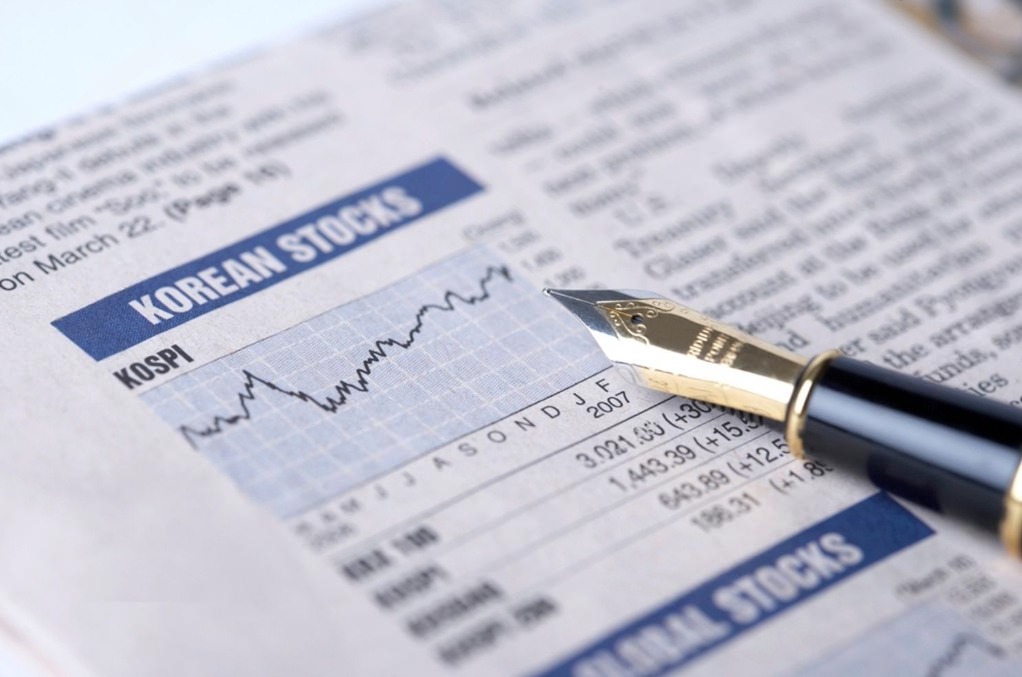
The KOSPI Composite Index (^KS11) experienced downside momentum to close out the trading week on the Korea Exchange (KRX), falling 1.76% (124.01 points) on Friday to settle at 6,909.91. This localized pull-back across South Korea’s flagship benchmark—contributing to a 5-day net contraction of 1.22%—reflects broad institutional re-balancing across semiconductor leaders, automotive giants, and industrial conglomerates, as market participants actively evaluate global technology supply chain demand, memory chip pricing dynamics, and central bank rate trajectories.
Deciphering Intraday Volatility and Support Floor Testing
Trading activity across constituent equities was defined by early-week consolidation near 7,090 on September 8th, followed by a sharp downside gap on September 11th that drove the index down to probe a daily low of 6,802.50. However, late-session buying interest emerged off the morning trough, pulling the benchmark back up to close at 6,909.91 (down from the previous close of 7,033.92) after testing an intraday high of 6,948.83. Operating within its 52-week trading bounds of 3,365.73 to 9,385.59, Friday’s trading volume reached 268,876 shares against a 3-month average daily volume of 385,161 shares. This technical price behavior confirms that while buyers defended support above the 6,802 baseline floor, overhead supply near 7,000 continues to cap near-term recovery momentum.
Macroeconomic Drivers, Semiconductor Capex, and Bank of Korea Parameters
As the primary standard tracking South Korea’s industrial and technology powerhouses—heavily weighted toward global semiconductor titans (Samsung Electronics, SK Hynix), EV battery pioneers (LG Energy Solution), and automotive leaders (Hyundai Motor)—the valuation framework of the KOSPI is deeply tethered to global tech capital expenditure, export demand, and relative yield differentials. The 1.22% 5-day contraction reflected market digestion of global semiconductor demand cycles and rate adjustment expectations by the Bank of Korea. Nevertheless, long-term institutional demand for memory chip infrastructure and advanced auto balance sheets provides structural support, keeping equity valuations anchored above key multi-month technical floors.
Strategic Portfolio Implications for the Israeli Ecosystem
For globally active portfolio managers and the interconnected Tel Aviv institutional community, tracking KOSPI Composite dynamics provides vital visibility into global tech supply chains, emerging memory cycles, and APAC equity risk budgets. Because major Israeli institutional pension funds and multi-asset allocators maintain direct and indirect exposures to Asian tech manufacturing and global semiconductor leaders, shifts in ^KS11 momentum directly inform capital allocation models and currency hedging overlays. Israeli allocators must systematically cross-examine this South Korean equity pull-back against persistent domestic shekel volatility, regional security risk premiums, and cross-border yield curves. Implementing disciplined currency hedging frameworks remains vital, as unexpected exchange rate shifts across the KRW, USD, and ILS can directly impact localized net portfolio performance.
Looking forward, the immediate structural trajectory centers on whether the KOSPI Composite Index can firmly establish technical support above the 6,800 baseline floor or if a breakdown will trigger a mean-reversion toward lower quarterly support bands near 6,650. Market participants must remain highly attentive to upcoming Bank of Korea policy rate decisions, South Korean export volume releases, and global semiconductor earnings prints, which are poised to act as primary directional catalysts. The broader macroeconomic landscape presents a highly conditional outlook; while current price action reflects baseline support near technical floors, asset allocators must maintain a rigorous, probability-based framework, actively managing downside risks and monitoring global yield curves to safeguard long-term portfolio performance over the coming financial quarters.
Comparison, examination, and analysis between investment houses
Leave your details, and an expert from our team will get back to you as soon as possible
* This article, in whole or in part, does not contain any promise of investment returns, nor does it constitute professional advice to make investments in any particular field.
To read more about the full disclaimer, click here
- sagi habasov
- •
- 7 Min Read
- •
- ago 7 hours
SKN | Anthropic CEO Calls for Slower AI Development as Industry Faces Growing Security Concerns
The rapid expansion of artificial intelligence capabilities is creating a new debate over the balance between technological progress and
- ago 7 hours
- •
- 7 Min Read

The rapid expansion of artificial intelligence capabilities is creating a new debate over the balance between technological progress and

- Arik Arkadi Sluzki
- •
- 7 Min Read
- •
- ago 7 hours
SKN | Tesla Signals Roadster Launch as Electric Vehicle Giant Revives Long-Delayed Performance Model
Tesla has renewed attention around one of its most anticipated vehicles after announcing a countdown for the launch of
- ago 7 hours
- •
- 7 Min Read
Tesla has renewed attention around one of its most anticipated vehicles after announcing a countdown for the launch of

- orshu
- •
- 7 Min Read
- •
- ago 7 hours
SKN | Nvidia’s Potential $10 Billion Anthropic Investment Signals New Era of AI Infrastructure Competition
The artificial intelligence sector is entering a new phase of capital expansion as leading technology companies seek strategic positions
- ago 7 hours
- •
- 7 Min Read

The artificial intelligence sector is entering a new phase of capital expansion as leading technology companies seek strategic positions

- Ronny Mor
- •
- 6 Min Read
- •
- ago 7 hours
SKN | OpenAI Delays IPO Plans as AI Safety Concerns Reshape Industry Strategy
The artificial intelligence sector is entering a new phase where growth ambitions are increasingly being balanced against concerns over
- ago 7 hours
- •
- 6 Min Read

The artificial intelligence sector is entering a new phase where growth ambitions are increasingly being balanced against concerns over
