


- omer bar
- •
- 7 Min Read
- •
- 18 seconds ago
Key Points
- Jamie Dimon said private credit risks are not systemic and are unlikely to destabilize the financial system.
- The sector has grown rapidly post-financial crisis but is now facing liquidity and redemption pressures.
- Large banks maintain significant exposure, with JPMorgan holding around $50 billion in private credit.
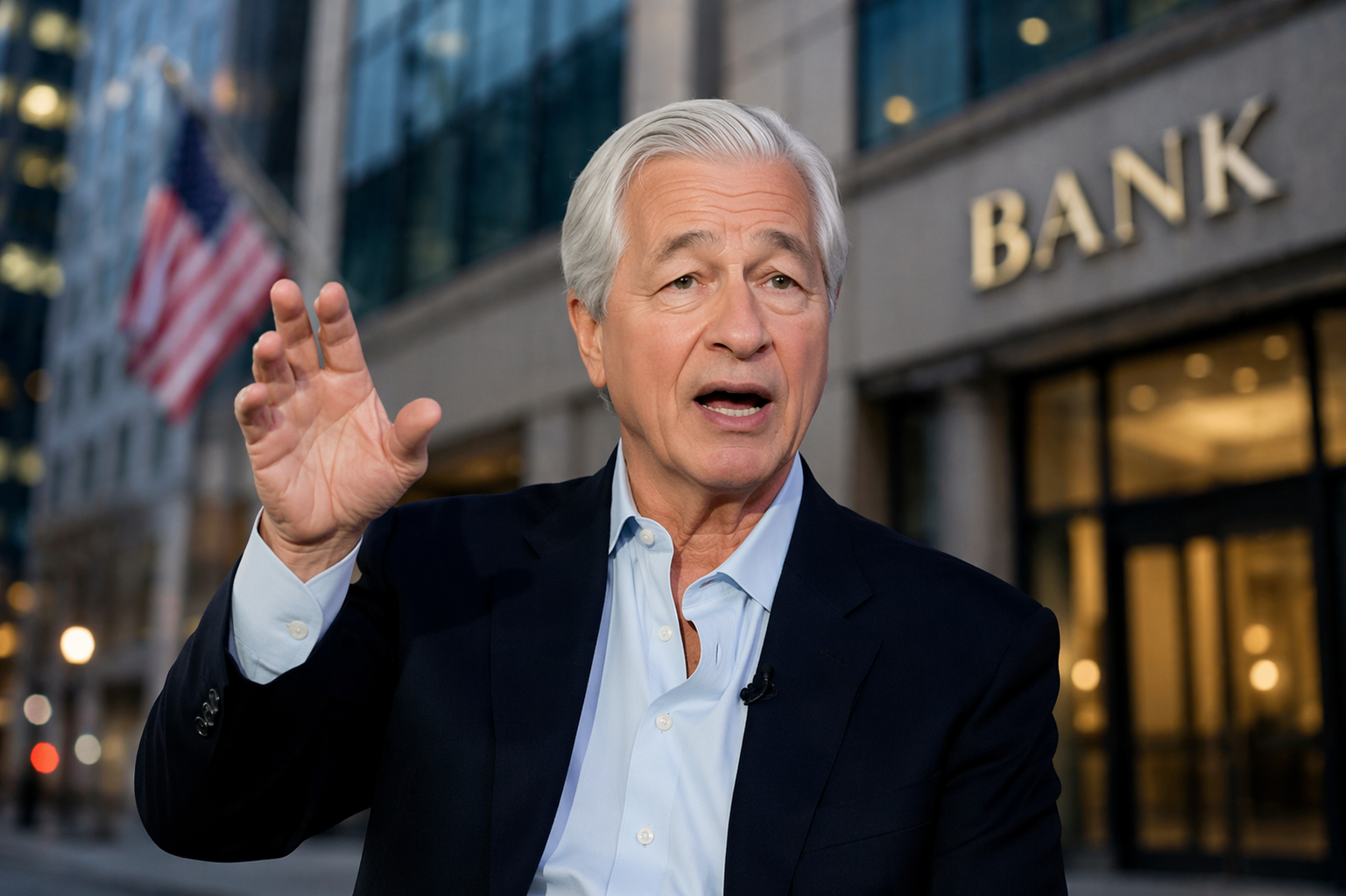
Dimon Sees Limited Systemic Threat
Jamie Dimon pushed back against rising concerns around the private credit market, stating that risks in the sector are not large enough to pose a systemic threat. Speaking during an earnings call for JPMorgan Chase, Dimon emphasized that the size of the private credit industry remains relatively small compared to the broader financial system.
He noted that even in a downturn scenario, disruptions in private lending would likely shift activity back toward traditional banks rather than trigger widespread instability. His comments reflect a broader effort by major financial institutions to reassure investors as scrutiny around private markets intensifies.
Rapid Growth Raises Questions
Private credit has expanded significantly over the past decade, fueled in part by tighter banking regulations following the global financial crisis. As banks pulled back from riskier lending, non-bank lenders stepped in to fill the gap, creating a fast-growing alternative credit ecosystem.
However, that growth is now drawing attention. Recent quarters have seen elevated redemption requests from investors, prompting some funds to limit withdrawals. These developments have raised concerns about liquidity mismatches and potential stress points within the sector.
Exposure to Vulnerable Sectors Adds Pressure
A key area of concern is the industry’s exposure to software companies, particularly those facing disruption from advances in artificial intelligence. As technology reshapes competitive dynamics, some borrowers may struggle to maintain growth expectations, increasing credit risk.
This has led to questions about whether private credit portfolios are adequately positioned for structural shifts in the economy, especially in sectors undergoing rapid transformation.
Major Banks Maintain Significant Exposure
Despite the concerns, large financial institutions remain deeply involved in the space. JPMorgan Chase reported approximately $50 billion in exposure to private credit, while Wells Fargo and Citigroup disclosed exposures of around $36 billion and $22 billion, respectively.
Banks are not only lenders to private credit funds but also active participants through their own investment vehicles and advisory roles. This interconnectedness underscores why the sector is being closely monitored, even if executives believe risks are contained.
Goldman Sachs Echoes a Measured View
David Solomon also downplayed immediate concerns, noting that Goldman Sachs has managed redemption requests without imposing withdrawal limits. He acknowledged ongoing “noise” in the retail segment but maintained a positive long-term outlook for private credit as an asset class.
This alignment among major bank leaders suggests a consensus view: while volatility may increase, the sector’s fundamentals remain intact over the medium to long term.
Shift Back to Banks in a Downturn
Dimon highlighted an important dynamic—if private credit conditions tighten, traditional banks could regain market share in lending. This would effectively reverse part of the post-crisis shift toward non-bank lenders.
Such a transition could stabilize credit markets, as banks typically operate under stricter regulatory frameworks and have more diversified funding sources.
Final Take
Jamie Dimon’s comments reflect confidence that private credit risks are manageable and unlikely to trigger systemic disruption. While the sector faces growing scrutiny due to rapid expansion, liquidity concerns, and exposure to evolving industries, major banks appear comfortable with their positions and continue to view private credit as a viable long-term opportunity.
Comparison, examination, and analysis between investment houses
Leave your details, and an expert from our team will get back to you as soon as possible
* This article, in whole or in part, does not contain any promise of investment returns, nor does it constitute professional advice to make investments in any particular field.
To read more about the full disclaimer, click here
- orshu
- •
- 5 Min Read
- •
- ago 1 hour
SKN | Global Bank Indexes Mixed as U.S. Weakness Offsets Strength in Europe and Israel
U.S. Banks: Rate Sensitivity and Market Direction The KBW Bank Index (^BKX) declined by -1.26 points, or -0.75%, reflecting mild
- ago 1 hour
- •
- 5 Min Read

U.S. Banks: Rate Sensitivity and Market Direction The KBW Bank Index (^BKX) declined by -1.26 points, or -0.75%, reflecting mild

- Lior mor
- •
- 5 Min Read
- •
- ago 4 hours
SKN | Euronext 100 Climbs Toward Highs as European Markets Show Resilience
The Euronext 100 Index (^N100) is showing renewed strength, rising to ~1,844 (+0.75%) and approaching the upper end of its
- ago 4 hours
- •
- 5 Min Read

The Euronext 100 Index (^N100) is showing renewed strength, rising to ~1,844 (+0.75%) and approaching the upper end of its

- Ronny Mor
- •
- 6 Min Read
- •
- ago 8 hours
SKN | Dollar Holds Near Six-Week Lows as Iran Deal Hopes Shift Market Sentiment
The US Dollar Index (DXY) held near 98.3, hovering around six-week lows as global markets tilted toward risk-on sentiment. Investors
- ago 8 hours
- •
- 6 Min Read

The US Dollar Index (DXY) held near 98.3, hovering around six-week lows as global markets tilted toward risk-on sentiment. Investors
- Lior mor
- •
- 7 Min Read
- •
- ago 14 hours
SKN | What a $110 Million Security Budget Reduction Could Signal for US Municipal Fiscal Stability
Houston is confronting a potential $110 million cut to its security-related funds following a recent vote connected to Immigration and
- ago 14 hours
- •
- 7 Min Read

Houston is confronting a potential $110 million cut to its security-related funds following a recent vote connected to Immigration and

