


- orshu
- •
- 7 Min Read
- •
- 58 minutes ago
Key Points
- Tel Aviv indices closed higher with improved market breadth and stronger mid-cap participation.
- Value stocks lagged, signaling a potential shift in sector leadership.
- Bond markets remained stable, supporting overall investor confidence.
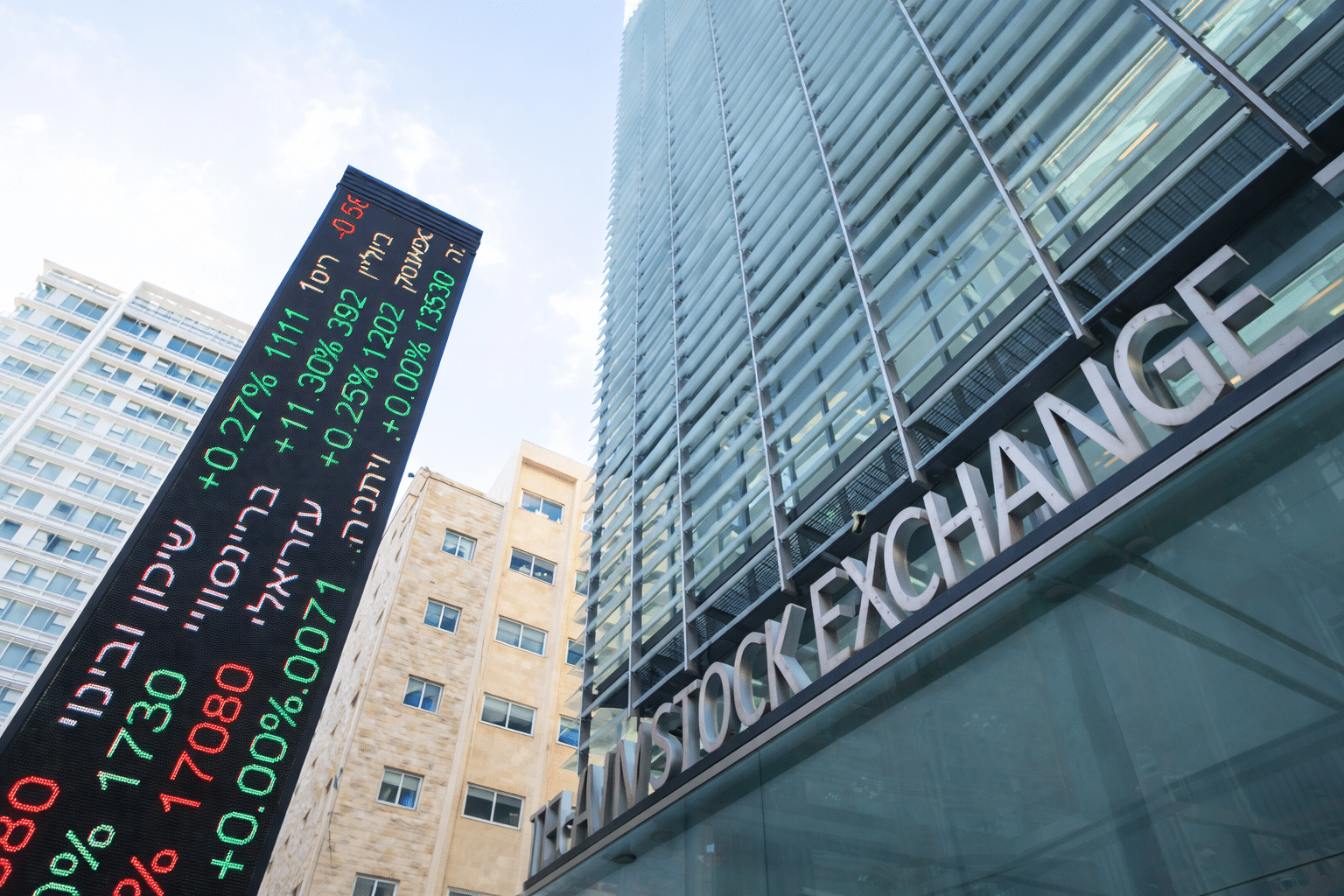
Israeli markets closed on March 20, 2026 with modest gains across major indices, extending the cautious upward trend seen in recent sessions. While gains were not aggressive, improved participation across stocks suggests that investor sentiment remains constructive, even as certain sectors begin to show signs of fatigue.
Broad Indices Show Steady Gains with Improved Market Breadth
The Tel Aviv-35 index rose 0.21 percent to 4,313.86 points, supported by stable large-cap performance. Despite the gain, internal breadth remained slightly negative, with more decliners than advancers, indicating that gains were concentrated in select heavyweights.
The broader Tel Aviv-125 index climbed 0.28 percent to 4,243.03 points, reflecting more balanced market participation. Advancing stocks outpaced decliners, with sixty-three stocks rising compared to fifty-five falling, suggesting a healthier underlying tone compared to the previous session.
Trading volume remained strong, with equity turnover reaching approximately 6.1 billion shekels, signaling continued investor engagement and liquidity in the market.
Mid-Caps Rebound While Value Stocks Lag
Mid-cap stocks showed a notable recovery. The Tel Aviv-90 index advanced 0.44 percent to 3,990.86 points, with strong breadth as advancing stocks significantly outnumbered decliners. This rebound indicates renewed risk appetite among investors following recent volatility in this segment.
The combined Tel Aviv 90 and banking index edged up 0.01 percent, reflecting stability in financial stocks and a neutral stance from investors in the sector.
However, value stocks underperformed. The Tel Aviv-125 value index declined 0.44 percent, highlighting a divergence in sector performance. This suggests that investors may be rotating away from traditional value plays and into growth or momentum-driven segments.
The sector-balance index posted a modest gain of 0.08 percent, reinforcing the overall stability in the market despite mixed sector performance.
Bond Market Stability Supports Risk Assets
Fixed income markets remained steady, providing a supportive backdrop for equities. The general bond index rose 0.02 percent, indicating minimal volatility and stable investor expectations.
Inflation-linked bonds performed slightly better, with the Tel Bond-Adjoined A index gaining 0.11 percent and the Tel Bond 60 index rising 0.01 percent. Short-term bonds also edged higher by 0.01 percent, reflecting continued demand for low-risk instruments.
Bond market turnover reached approximately 2.89 billion shekels, lower than equities but still indicative of active participation as investors maintain diversified portfolios.
The relative calm in bond markets suggests that there is no immediate shift toward defensive positioning, allowing equities to maintain their upward bias.
Forward Outlook: Market Balancing Growth Momentum with Sector Rotation
As the market heads into the next trading session, attention will focus on whether improving breadth can sustain the upward trajectory. Continued strength in mid-cap stocks could serve as a key driver for broader market gains.
However, the weakness in value stocks introduces an element of caution. If this trend persists, it may signal a broader rotation that could reshape market leadership in the coming sessions.
Investors will also monitor large-cap performance closely. Sustained support from heavyweight stocks will be critical in maintaining index stability, especially if mid-cap momentum fluctuates.
On the fixed income side, stability remains a key factor. Any unexpected shifts in bond yields or inflation expectations could influence equity valuations and investor positioning.
Overall, the market appears to be transitioning from a phase of broad-based gains to a more selective environment. The next sessions will likely determine whether the current trend evolves into a sustained rally or a more fragmented, sector-driven market dynamic.
Comparison, examination, and analysis between investment houses
Leave your details, and an expert from our team will get back to you as soon as possible
* This article, in whole or in part, does not contain any promise of investment returns, nor does it constitute professional advice to make investments in any particular field.
To read more about the full disclaimer, click here
- orshu
- •
- 6 Min Read
- •
- ago 27 minutes
SKN | European Markets Close Lower as Broad Sell-Off Signals Rising Risk Aversion
European equity markets closed lower on March 20, with widespread declines across major indices as investor sentiment weakened amid
- ago 27 minutes
- •
- 6 Min Read

European equity markets closed lower on March 20, with widespread declines across major indices as investor sentiment weakened amid
- orshu
- •
- 6 Min Read
- •
- ago 3 hours
SKN | U.S. Markets Drift Lower as Volatility Rises and Tech Stocks Weigh on Sentiment
U.S. equity markets moved lower during active trading on March 20, as investors adopted a more cautious stance amid
- ago 3 hours
- •
- 6 Min Read

U.S. equity markets moved lower during active trading on March 20, as investors adopted a more cautious stance amid
- orshu
- •
- 5 Min Read
- •
- ago 9 hours
SKN | Tel Aviv Indices Climb Amid Broad Sector Gains, Mixed Bond Market Activity
Tel Aviv equities are showing a firm uptrend in early trading, reflecting cautious optimism among investors. The TA-35 and TA-90
- ago 9 hours
- •
- 5 Min Read

Tel Aviv equities are showing a firm uptrend in early trading, reflecting cautious optimism among investors. The TA-35 and TA-90
- orshu
- •
- 7 Min Read
- •
- ago 14 hours
SKN | Global Markets Recap: March 19, 2026 Performance and Outlook Ahead of March 20, 2026 Trading
Global equity markets showed heightened volatility on March 19, 2026, as investors balanced geopolitical concerns, inflation expectations, and corporate performance.
- ago 14 hours
- •
- 7 Min Read

Global equity markets showed heightened volatility on March 19, 2026, as investors balanced geopolitical concerns, inflation expectations, and corporate performance.

