





- sagi habasov
- •
- 7 Min Read
- •
- 10 months ago


Key Points
- Uzbekistan’s 2025 growth was driven by investment, exports, and rising domestic demand.
- Structural reforms and strong reserves have improved macroeconomic resilience.
- International institutions and rating agencies see continued high growth into 2026 and beyond.

Uzbekistan closed 2025 with economic momentum that is drawing increasing attention from global investors and policymakers alike. According to estimates cited by President Shavkat Mirziyoyev, gross domestic product exceeded €133 billion last year, placing the country among the world’s 60 largest economies. The expansion underscores how a decade of reform, capital inflows, and export growth has reshaped the trajectory of Central Asia’s most populous nation.
Investment and Exports Power the Expansion
The backbone of Uzbekistan’s recent growth has been a sharp rise in investment and trade. Exports surged 23% in 2025 to €30.7 billion, even as global trade slowed, highlighting the country’s growing integration into regional and international supply chains. Gold and foreign exchange reserves climbed above €55 billion, providing a buffer against external shocks and strengthening confidence in macroeconomic stability.
Foreign investment inflows reached €39.7 billion during the year, pushing total investment to nearly 32% of GDP. Over the past nine years, Uzbekistan has attracted roughly €120 billion in foreign capital, a dramatic increase from just over €4 billion in 2017. Much of this funding has been directed toward technology transfer, export-oriented manufacturing, energy efficiency, and workforce development—areas designed to lift productivity rather than fuel short-term consumption alone.
Rising Incomes and Domestic Demand
Economic growth has translated into tangible gains for households. GDP per capita rose to about €3,220 in 2025, nearly double the level recorded in 2017. Government figures suggest that five million people gained stable incomes last year, while 1.5 million moved above the poverty line.
Higher purchasing power has boosted consumer demand. Annual home purchases rose to around 270,000 units, compared with 210,000 five years ago, while car sales climbed to roughly one million vehicles a year. The services sector has become a major driver, contributing more than €72 billion to GDP, with digital services and technology-related jobs offering incomes well above the national average.
Reforms Anchor Medium-Term Confidence
Officials attribute the resilience of growth to a broad reform agenda launched in 2017, spanning currency liberalization, market openness, and the restructuring of state-owned banks and enterprises. Inflation cooled to around 7.3% in 2025, even as GDP growth is estimated near 7.5%, according to the Ministry of Economy and Finance.
International institutions broadly support this outlook. The International Monetary Fund and the United Nations project growth above 7% for 2025, while the World Bank expects Uzbekistan to rank among the three fastest-growing developing economies in Europe and Central Asia in 2026. Credit rating agencies have responded by upgrading the country’s sovereign outlook, citing improved policy credibility and financial buffers.
Looking Ahead to 2030
Uzbekistan’s leadership has become more ambitious as results outpace earlier expectations. Officials now believe GDP could reach €147 billion as early as 2026, well ahead of prior targets, and potentially exceed €230 billion by 2030. Plans include attracting €166 billion in additional foreign investment over the next five years, creating one million higher-income jobs, and rolling out national programs to improve productivity and energy efficiency.
The key challenge will be sustaining reform momentum amid global uncertainty. If investment discipline and policy consistency hold, Uzbekistan appears positioned to consolidate its role as one of the region’s standout growth stories rather than a short-lived outlier.
Comparison, examination, and analysis between investment houses
Leave your details, and an expert from our team will get back to you as soon as possible
* This article, in whole or in part, does not contain any promise of investment returns, nor does it constitute professional advice to make investments in any particular field.
To read more about the full disclaimer, click here
- Ronny Mor
- •
- 8 Min Read
- •
- ago 19 hours
SKN | The US Corporate Debt Maturity Wall: $1.9 Trillion in Speculative-Grade Debt Faces Refinancing Pressure
US companies are approaching a substantial corporate debt refinancing period, with approximately $1.9 trillion in speculative-grade bonds and loans
- ago 19 hours
- •
- 8 Min Read

US companies are approaching a substantial corporate debt refinancing period, with approximately $1.9 trillion in speculative-grade bonds and loans
- Ronny Mor
- •
- 6 Min Read
- •
- ago 2 days
SKN | Fed’s Logan Calls for Two More Rate Hikes as Inflation Remains Above Target
Federal Reserve policy is facing renewed pressure to tighten as policymakers assess persistent inflation and the risks of allowing
- ago 2 days
- •
- 6 Min Read
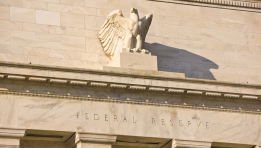
Federal Reserve policy is facing renewed pressure to tighten as policymakers assess persistent inflation and the risks of allowing

- omer bar
- •
- 6 Min Read
- •
- ago 2 days
SKN | U.S. Employment Costs Rise 3.4% Annually as Wage Growth Remains Below Headline Inflation
Employment Costs Continue to Increase The U.S. Employment Cost Index recorded a 0.8% increase in the third quarter of 2026,
- ago 2 days
- •
- 6 Min Read

Employment Costs Continue to Increase The U.S. Employment Cost Index recorded a 0.8% increase in the third quarter of 2026,

- sagi habasov
- •
- 9 Min Read
- •
- ago 2 days
SKN | Fed Officials Call for Further Rate Hikes as Inflation Remains Above Target
Fed Officials Signal More Work on Inflation Three Federal Reserve officials made the case for additional interest rate increases on
- ago 2 days
- •
- 9 Min Read

Fed Officials Signal More Work on Inflation Three Federal Reserve officials made the case for additional interest rate increases on

