


- Lior mor
- •
- 7 Min Read
- •
- 2 minutes ago
Key Points
- LVMH reported weaker-than-expected sales growth, signaling a pause in the luxury sector’s recovery.
- The Middle East conflict is beginning to weigh on demand and investor sentiment.
- Despite the slowdown, underlying trends in key regions like Asia remain resilient.

LVMH, widely regarded as a bellwether for the global luxury sector, reported first-quarter results that fell short of expectations, raising fresh questions about the pace of the industry’s recovery. Organic sales grew just 1%, missing analyst forecasts of 1.5%, as geopolitical tensions and macro uncertainty weighed on performance.
The miss comes at a delicate time for the sector, which had only recently begun showing signs of stabilization following a prolonged slowdown driven by weaker demand from Chinese consumers.
Geopolitical Tensions Begin to Impact Growth
A key factor behind the weaker performance was the ongoing conflict in the Middle East, which the company said reduced organic growth by approximately 1 percentage point.
While the region represents a relatively small portion of total revenue, its importance extends beyond direct sales. Heightened geopolitical risk has broader implications for global consumer confidence, tourism flows, and spending patterns—all critical drivers of luxury demand.
The impact highlights how sensitive the sector is to external shocks, particularly during early stages of recovery.
Core Fashion Segment Shows Weakness
LVMH’s largest division—fashion and leather goods—declined by 2% on an organic basis, signaling softness in its most important business segment. This division includes flagship brands such as Louis Vuitton and Dior, which have historically driven the company’s growth and profitability.
The decline suggests that demand normalization is still underway, following years of aggressive pricing and shifting consumer preferences. Maintaining brand momentum while re-engaging customers remains a central challenge for the company.
Mixed Performance Across Business Segments
Despite the weakness in its core division, other segments delivered more positive results. Watches and jewelry grew 7%, supported by strong performance from Tiffany, while the wine and spirits division posted 5% growth.
These gains helped offset some of the pressure in fashion, but were not enough to fully compensate for the broader slowdown. On a reported basis, total revenue declined 6%, reflecting the additional impact of unfavorable currency movements.
The mixed performance underscores the uneven nature of the current recovery across different product categories.
Asia Remains a Key Growth Driver
One of the more encouraging signals in the report was continued strength in Asia, excluding Japan. The region showed improving trends, reinforcing expectations that it could play a central role in the sector’s recovery.
China, in particular, remains a focal point for investors. After a prolonged period of weak demand, early signs of stabilization are emerging, though the pace of recovery remains uncertain.
Local demand has also helped offset declines in tourist spending, suggesting a shift in consumption patterns that could reshape the industry over time.
Investor Sentiment Under Pressure
The market reaction to LVMH’s results was swift, with shares declining following the announcement. The miss has amplified concerns among investors who were expecting a stronger rebound in luxury demand in 2026.
Broader market volatility, driven by energy price shocks and geopolitical uncertainty, has further weighed on sentiment. Consumer-facing sectors such as luxury are particularly vulnerable in such environments, as discretionary spending tends to be more sensitive to economic conditions.
Outlook: Recovery Delayed, Not Derailed
Despite the softer start to the year, many analysts still expect growth to improve in the coming quarters. Forecasts suggest that organic sales could accelerate as companies adjust strategies and demand gradually recovers.
Key priorities for LVMH include sustaining brand strength, stabilizing underperforming divisions, and capitalizing on growth opportunities in Asia and other resilient markets.
While the recovery may be slower than initially anticipated, the underlying fundamentals of the luxury sector remain intact.
Comparison, examination, and analysis between investment houses
Leave your details, and an expert from our team will get back to you as soon as possible
* This article, in whole or in part, does not contain any promise of investment returns, nor does it constitute professional advice to make investments in any particular field.
To read more about the full disclaimer, click here
- sagi habasov
- •
- 8 Min Read
- •
- ago 1 day
SKN | Can JPMorgan and Netflix Set the Tone for Earnings Season as Markets Face Rising Uncertainty?
The latest earnings season is set to begin with two of the market’s most closely watched companies—JPMorgan Chase and
- ago 1 day
- •
- 8 Min Read

The latest earnings season is set to begin with two of the market’s most closely watched companies—JPMorgan Chase and
- sagi habasov
- •
- 7 Min Read
- •
- ago 1 day
SKN | Can Eastman Kodak Complete Its Comeback After Years of Financial Struggles?
Once a global leader in photography, Eastman Kodak is attempting a complex turnaround after years of financial distress. Following
- ago 1 day
- •
- 7 Min Read

Once a global leader in photography, Eastman Kodak is attempting a complex turnaround after years of financial distress. Following

- Ronny Mor
- •
- 5 Min Read
- •
- ago 2 days
SKN | NIO Turns Profitable—Do Record Deliveries Signal a Sustainable EV Breakthrough?
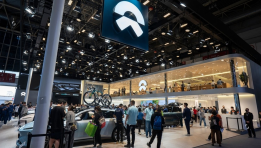
NIO Inc. has reached a critical inflection point, reporting its first quarterly profit alongside record vehicle deliveries. The development
- ago 2 days
- •
- 5 Min Read
NIO Inc. has reached a critical inflection point, reporting its first quarterly profit alongside record vehicle deliveries. The development

- omer bar
- •
- 9 Min Read
- •
- ago 4 days
SKN | TSMC Earnings Surge: Is the AI Boom Creating a New Semiconductor Supercycle?
Taiwan Semiconductor Manufacturing Company delivered a powerful start to the year, reinforcing the growing dominance of artificial intelligence in shaping
- ago 4 days
- •
- 9 Min Read
Taiwan Semiconductor Manufacturing Company delivered a powerful start to the year, reinforcing the growing dominance of artificial intelligence in shaping


