


- Ronny Mor
- •
- 7 Min Read
- •
- 3 minutes ago
Key Points
- The Federal Reserve signals no urgency to hike rates despite rising energy prices.
- Inflation expectations remain anchored, reducing pressure for immediate tightening.
- Markets sharply reprice rate hike odds following Powell’s comments.

Fed Signals Patience in the Face of Energy-Driven Inflation
Jerome Powell has made it clear that the Federal Reserve is not rushing to respond to rising oil prices with higher interest rates. Speaking at Harvard University, Powell emphasized that inflation expectations remain well anchored, suggesting that the recent surge in energy costs does not yet warrant a policy shift.
The Fed’s current rate range of 3.5% to 3.75% is, in Powell’s view, appropriately positioned as policymakers assess the evolving economic landscape. Rather than reacting to short-term volatility, the central bank is prioritizing its dual mandate of stable prices and maximum employment.
This approach reflects a broader strategic stance: distinguishing between temporary supply shocks and persistent inflationary trends.
Markets Rapidly Reprice Rate Expectations
Powell’s remarks had an immediate impact on financial markets. Expectations for a rate hike this year dropped sharply, with probabilities falling from above 50% to near negligible levels following his comments.
This shift highlights the sensitivity of markets to central bank communication. Investors had previously anticipated that the Fed might respond aggressively to rising energy costs, particularly given the geopolitical backdrop. However, Powell’s emphasis on “looking through” supply-driven inflation has recalibrated those expectations.
Market-based indicators reinforce this view. Inflation expectations, as measured by breakeven rates, remain relatively stable, suggesting that investors do not foresee a sustained inflation surge despite higher oil prices.
Why the Fed Is Looking Through the Oil Shock
A key element of Powell’s argument is the lagged effect of monetary policy. Interest rate changes take time to influence the economy, meaning that reacting to a short-term oil shock could result in policy tightening that becomes restrictive just as the shock fades.
In this context, raising rates now could risk slowing economic activity unnecessarily. The Fed’s preference is to monitor whether higher energy costs translate into broader, sustained inflation before taking action.
This distinction is critical. Supply-driven inflation, such as that caused by geopolitical disruptions in energy markets, does not always require the same policy response as demand-driven inflation.
Private Credit Risks Remain Contained—for Now
Beyond interest rates, Powell also addressed concerns about the private credit market, a rapidly growing segment of the financial system. While acknowledging rising defaults and investor withdrawals, he indicated that the risks do not currently appear systemic.
The Fed is closely monitoring potential spillovers into the banking sector but does not see signs of widespread contagion. Instead, Powell characterized the situation as a correction, with localized losses rather than a broader financial crisis.
This assessment provides some reassurance to markets, though it also underscores the importance of vigilance as financial conditions evolve.
Outlook: Policy Flexibility Amid Uncertainty
Looking ahead, the Federal Reserve’s path remains highly dependent on incoming data and the evolution of geopolitical risks. While the current stance favors patience, Powell acknowledged that the situation could change if inflation begins to move higher in a sustained way.
At the same time, leadership uncertainty adds another layer of complexity, as Powell’s term nears its end and debates continue around his successor.
For now, the Fed appears committed to a wait-and-see approach, balancing the risks of acting too soon against those of acting too late. In a market environment shaped by volatility and uncertainty, that flexibility may prove to be its most important tool.
Comparison, examination, and analysis between investment houses
Leave your details, and an expert from our team will get back to you as soon as possible
* This article, in whole or in part, does not contain any promise of investment returns, nor does it constitute professional advice to make investments in any particular field.
To read more about the full disclaimer, click here
- sagi habasov
- •
- 7 Min Read
- •
- ago 2 hours
SKN | Could the Fed Cut Rates Despite Rising Oil Prices and Inflation Fears?
Fed Debate Intensifies as Rate Cut Calls Emerge A growing divide is emerging within the Federal Reserve as policymakers weigh
- ago 2 hours
- •
- 7 Min Read

Fed Debate Intensifies as Rate Cut Calls Emerge A growing divide is emerging within the Federal Reserve as policymakers weigh

- omer bar
- •
- 7 Min Read
- •
- ago 3 days
SKN | Is the Federal Reserve Preparing to Raise Rates Again as Inflation Fears Resurface?
The bond market is sending a clear message: expectations for Federal Reserve rate cuts are fading, and the possibility of
- ago 3 days
- •
- 7 Min Read

The bond market is sending a clear message: expectations for Federal Reserve rate cuts are fading, and the possibility of

- Ronny Mor
- •
- 5 Min Read
- •
- ago 4 days
SKN | Fed’s Jefferson Warns of Short-Term Inflation Surge from Iran Conflict, Signals Steady Rates Ahead
Global financial markets are closely monitoring comments from Federal Reserve Governor Jefferson, who highlighted the potential for higher inflation in
- ago 4 days
- •
- 5 Min Read
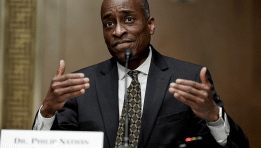
Global financial markets are closely monitoring comments from Federal Reserve Governor Jefferson, who highlighted the potential for higher inflation in
- omer bar
- •
- 6 Min Read
- •
- ago 5 days
SKN | Study Finds Trump-Era Tariffs Raised Revenue but Had Minimal Impact on 2025 GDP
A recent academic study examining the legacy of Trump-era tariffs reports that while the tariffs contributed to higher government revenue,
- ago 5 days
- •
- 6 Min Read
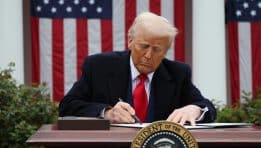
A recent academic study examining the legacy of Trump-era tariffs reports that while the tariffs contributed to higher government revenue,


