


- Lior mor
- •
- 7 Min Read
- •
- 15 seconds ago
Key Points
- Oil prices plunge up to 15% as ceasefire hopes ease immediate supply fears.
- Iran threatens to halt Strait of Hormuz traffic, keeping supply risks elevated.
- Markets rally broadly, but underlying geopolitical uncertainty remains unresolved.

Oil markets delivered one of the sharpest reversals of the year, with prices plunging despite an increasingly fragile geopolitical backdrop. The decline followed the announcement of a temporary ceasefire between the United States and Iran, but renewed threats from Tehran are already casting doubt on the durability of that agreement.
The result is a market caught between short-term relief and long-term risk—a dynamic that is driving both volatility and confusion across global energy markets.
Oil Prices Tumble as Ceasefire Eases Immediate Fears
Brent crude oil futures dropped roughly 13% to trade near $95 per barrel, while West Texas Intermediate crude oil fell as much as 15%, marking a dramatic pullback from recent highs.
The sell-off was triggered by President Donald Trump decision to suspend military strikes on Iran for two weeks, allowing negotiations to proceed. Markets interpreted the move as a meaningful step toward de-escalation, leading to a rapid unwinding of the geopolitical risk premium embedded in oil prices.
At the same time, equity markets surged, with major U.S. indexes posting strong gains, reflecting a broader shift toward risk-on sentiment.
Strait of Hormuz Remains the Central Flashpoint
Despite the price decline, the underlying risk to global oil supply remains firmly in place. Iran has threatened to halt all traffic through the Strait of Hormuz if regional hostilities escalate, particularly in response to ongoing military activity involving Israel.
The strategic importance of the strait cannot be overstated. Roughly 20% of global oil supply flows through this narrow waterway, making it one of the most critical chokepoints in the global energy system.
Data indicating that shipping activity has not meaningfully improved since the ceasefire announcement suggests that the supply situation remains constrained. Even temporary disruptions in Hormuz can have outsized impacts on global prices.
Markets React to Headlines, Not Resolution
The sharp decline in oil prices highlights a key feature of the current market environment: prices are being driven more by headlines than by structural changes in supply and demand.
While the ceasefire announcement reduced the probability of immediate escalation, it did not resolve the underlying conflict or restore normal energy flows. Iran’s continued threats—and reports of ongoing attacks in the region—underscore how quickly sentiment could reverse.
This creates a disconnect between price action and fundamental risk, raising the possibility that markets may be underestimating the likelihood of further disruption.
Geopolitical Tensions Continue Beneath the Surface
Even as negotiations progress, the situation on the ground remains volatile. Reports of strikes on energy infrastructure and retaliatory actions across the region highlight the fragility of the ceasefire.
Iran has signaled a willingness to engage in talks while simultaneously maintaining leverage through threats to key supply routes. This dual-track approach—negotiation alongside escalation risk—adds complexity to market expectations.
For investors, this means that any apparent stabilization may be temporary, with the potential for sudden shifts in sentiment.
Outlook: Volatility Likely to Define Oil Markets
Looking ahead, oil prices are likely to remain highly sensitive to geopolitical developments. A sustained reopening of the Strait of Hormuz and a durable ceasefire could lead to further price declines.
However, any breakdown in negotiations or renewed disruption to shipping flows could quickly reverse the recent sell-off and push prices higher once again.
The balance of risks suggests that volatility will remain elevated, with markets reacting rapidly to both positive and negative developments.
Comparison, examination, and analysis between investment houses
Leave your details, and an expert from our team will get back to you as soon as possible
* This article, in whole or in part, does not contain any promise of investment returns, nor does it constitute professional advice to make investments in any particular field.
To read more about the full disclaimer, click here
- omer bar
- •
- 7 Min Read
- •
- ago 17 hours
SKN | Did Oil Just Peak? Prices Plunge 9% as Trump Pauses Iran Strikes
U.S. crude oil markets experienced a sharp reversal as geopolitical tensions briefly eased, with prices falling more than 9% following
- ago 17 hours
- •
- 7 Min Read
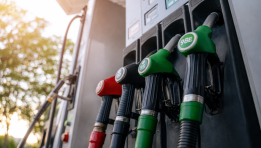
U.S. crude oil markets experienced a sharp reversal as geopolitical tensions briefly eased, with prices falling more than 9% following
- omer bar
- •
- 9 Min Read
- •
- ago 1 day
SKN | Will U.S. Gasoline Prices Surge Past $5 as Strait of Hormuz Tensions Escalate?
Rising geopolitical tensions in the Middle East are rapidly translating into economic pressure for U.S. consumers, as disruptions in the
- ago 1 day
- •
- 9 Min Read

Rising geopolitical tensions in the Middle East are rapidly translating into economic pressure for U.S. consumers, as disruptions in the

- Lior mor
- •
- 9 Min Read
- •
- ago 1 day
SKN | Are Global Oil Markets Signaling an Imminent Supply Crisis Amid Historic Disruptions?
The global oil market has undergone a dramatic in just a matter of weeks, shifting from surplus conditions to what
- ago 1 day
- •
- 9 Min Read

The global oil market has undergone a dramatic in just a matter of weeks, shifting from surplus conditions to what

- sagi habasov
- •
- 7 Min Read
- •
- ago 2 days
SKN | Is Oil Entering an “Avalanche Phase” as Trump Signals Imminent Iran Escalation?
Oil Prices Surge as Markets Price Immediate Escalation Risk Oil markets have sharply repriced higher, with West Texas Intermediate climbing
- ago 2 days
- •
- 7 Min Read

Oil Prices Surge as Markets Price Immediate Escalation Risk Oil markets have sharply repriced higher, with West Texas Intermediate climbing

