


- omer bar
- •
- 7 Min Read
- •
- 14 seconds ago
Key Points
- WTI crude surges above $112 as geopolitical tensions intensify in the Persian Gulf.
- Supply disruptions through the Strait of Hormuz are driving a sharp repricing of global energy risk.
- Markets are increasingly pricing a prolonged supply shock with limited near-term relief.
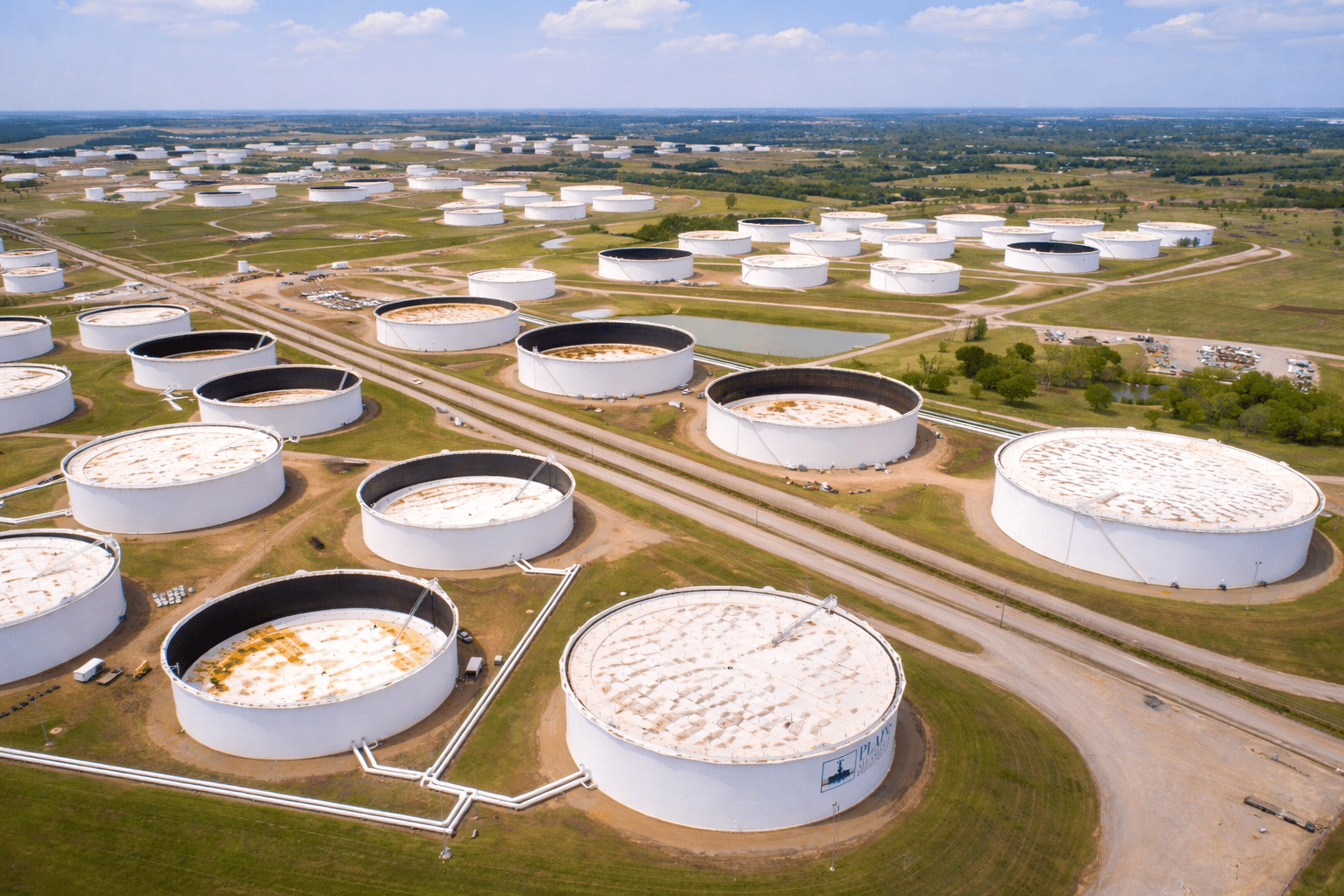
Oil Prices Surge as Markets Reassess Supply Risks
WTI crude oil futures surged more than 11%, breaking above $112 per barrel and reaching their highest levels in nearly four years. The sharp rally reflects a rapid reassessment of supply risks as tensions between the United States and Iran escalate further.
Earlier optimism around potential supply normalization—linked to discussions of tanker toll arrangements through the Strait of Hormuz—quickly faded. Markets are now shifting focus back to the broader reality: supply disruptions remain severe, and geopolitical tensions are intensifying rather than easing.
On a broader scale, crude oil has risen nearly 50% over the past month and more than 66% year-over-year, signaling that the current rally is not a short-term spike but part of a larger structural move in energy markets.
Geopolitical Escalation Drives a New Risk Premium
The latest surge comes amid increasingly aggressive rhetoric from both sides. President Donald Trump signaled potential escalation in attacks on Iranian infrastructure if ceasefire conditions are not met, while Tehran has responded with equally firm resistance.
This exchange has reinforced market expectations that the conflict could extend in duration and intensity. As a result, oil prices are embedding a higher geopolitical risk premium—one that reflects not only current disruptions but also the possibility of further escalation.
Brent crude benchmarks have surged past $140 per barrel, levels not seen since 2008, underscoring the magnitude of the supply shock being priced into global markets.
Strait of Hormuz Disruption Becomes Systemic Shock
At the center of the الأزمة is the Strait of Hormuz, a critical chokepoint through which a significant share of global oil supply flows. The near-disruption of transit through this corridor has effectively removed millions of barrels per day from the market.
Efforts to manage flows—including discussions around toll systems and international coordination—have so far failed to restore stability. While some shipments continue under controlled conditions, the overall reduction in supply is substantial enough to drive sustained price increases.
The situation is now evolving from a temporary disruption into what markets increasingly view as a systemic supply shock.
Limited Relief From OPEC+ and Global Coordination
Global efforts to stabilize the market are underway, with the United Kingdom hosting talks aimed at securing shipping routes and OPEC+ considering potential output increases. However, these measures are unlikely to provide immediate relief.
Additional production takes time to reach markets, and logistical constraints limit how quickly supply can be redirected. In the near term, the gap created by disrupted flows through Hormuz remains difficult to replace.
This imbalance between supply constraints and delayed response mechanisms is contributing to heightened volatility and upward pressure on prices.
Outlook: Markets Brace for Prolonged Energy Disruption
Looking ahead, oil markets are increasingly positioned for continued volatility and elevated prices. The combination of geopolitical escalation, constrained supply routes, and limited short-term alternatives suggests that the current rally may have further room to run.
A diplomatic breakthrough could trigger a sharp correction, but current signals point toward continued tension rather than resolution. As a result, markets are preparing for a prolonged period of disruption.
Until meaningful supply restoration occurs, oil is likely to remain elevated, with far-reaching implications for inflation, global growth, and financial stability.
Comparison, examination, and analysis between investment houses
Leave your details, and an expert from our team will get back to you as soon as possible
* This article, in whole or in part, does not contain any promise of investment returns, nor does it constitute professional advice to make investments in any particular field.
To read more about the full disclaimer, click here
- orshu
- •
- 6 Min Read
- •
- ago 2 days
SKN | Bloom Energy Rallies on Elevated Oil Prices: Momentum Trade or Structural Energy Shift?
Bloom Energy (NYSE: BE) has seen a notable rally as oil prices approach $110 per barrel, driving renewed interest
- ago 2 days
- •
- 6 Min Read

Bloom Energy (NYSE: BE) has seen a notable rally as oil prices approach $110 per barrel, driving renewed interest

- Lior mor
- •
- 6 Min Read
- •
- ago 2 days
SKN | NuScale Power Collapse: Deep Value Opportunity or Structural Risk in Small Modular Nuclear?
NuScale Power (NYSE: SMR) has experienced a steep decline from its peak valuation, with shares falling significantly as investors
- ago 2 days
- •
- 6 Min Read
NuScale Power (NYSE: SMR) has experienced a steep decline from its peak valuation, with shares falling significantly as investors

- omer bar
- •
- 7 Min Read
- •
- ago 3 days
SKN | Are Drone Strikes on Russia’s Oil Infrastructure Disrupting Global Supply Dynamics?
A new wave of Ukrainian drone strikes targeting Russia’s critical energy infrastructure is beginning to ripple through global oil markets.
- ago 3 days
- •
- 7 Min Read
A new wave of Ukrainian drone strikes targeting Russia’s critical energy infrastructure is beginning to ripple through global oil markets.
- Lior mor
- •
- 7 Min Read
- •
- ago 4 days
SKN | Can Intel’s Fab 34 Buyback and Debt Bet Reinforce Its Semiconductor Comeback?
Strategic Buyback Signals Confidence in Core Manufacturing Intel is doubling down on its manufacturing strategy, announcing that it will fund
- ago 4 days
- •
- 7 Min Read

Strategic Buyback Signals Confidence in Core Manufacturing Intel is doubling down on its manufacturing strategy, announcing that it will fund

