


- Lior mor
- •
- 7 Min Read
- •
- 2 hours ago
Key Points
- Meta’s Dreamer hires signal a shift toward talent-driven AI strategy.
- AI agents are emerging as the next major battleground in Big Tech competition.
- Long-term value will depend on execution, integration, and scalable deployment of AI systems.

Meta is doubling down on its artificial intelligence ambitions with a strategic acqui-hire of top-tier talent from startup Dreamer, signaling an intensified push into AI agents. The move reflects a broader shift across Big Tech, where control over talent—not just technology—is becoming the defining competitive edge. As Meta accelerates investment in next-generation AI systems, this latest hire underscores how the battle for autonomous software agents is rapidly becoming the next frontier in digital platforms.
Talent Acquisition Over Full Acquisition Strategy
Unlike traditional acquisitions, the Dreamer deal is structured as a hybrid arrangement. The startup remains an independent legal entity, while Meta secures a non-exclusive license to its technology and brings key executives into its ecosystem. Dreamer investors are expected to be repaid above their initial investment, suggesting a premium placed on talent rather than outright ownership.
The hires include high-profile executives such as David Singleton, formerly of Stripe and Google, alongside other experienced leaders in product design and engineering. This reflects a growing industry trend where companies prioritize acquiring elite teams capable of accelerating innovation cycles, particularly in fast-evolving domains like AI.
AI Agents Become the New Battleground
At the core of this move is Meta’s increasing focus on AI agents—autonomous systems capable of performing complex tasks on behalf of users. CEO Mark Zuckerberg has emphasized the transformative potential of these systems, noting their growing role in coding, productivity, and digital interaction.
Meta’s vision extends beyond simple automation. The company is aiming to build “always-on” personalized agents that integrate across its platforms, devices, and future wearables. This positions AI agents not just as tools, but as foundational layers of user experience—potentially reshaping how individuals interact with software altogether.
The Dreamer hires come alongside a series of aggressive moves, including Meta’s multi-billion-dollar acquisition of AI agent firm Manus and its expansion into agent-focused social platforms. Collectively, these steps point to a coordinated strategy: owning the infrastructure, talent, and distribution channels required to dominate the agent economy.
Strategic Implications for Big Tech Competition
Meta’s actions highlight a broader competitive dynamic across the tech sector. As companies race to develop more advanced AI systems, differentiation is increasingly tied to execution speed and product integration rather than raw model performance alone.
From an investor perspective, this raises important questions حول sustainability and returns. Heavy spending on AI infrastructure and talent may compress margins in the short term, but it also represents a bet on long-term platform dominance. The ability to deploy AI agents across billions of users could unlock new monetization models, from productivity tools to personalized services.
At the same time, the non-exclusive nature of the Dreamer deal suggests that Meta is hedging its bets, maintaining flexibility while accelerating internal development. This approach reflects a recognition that the AI landscape remains fluid, with multiple players vying for leadership.
Looking ahead
the evolution of AI agents will be a critical factor shaping the next phase of the technology sector. Success will depend not only on innovation, but on the ability to integrate these systems seamlessly into everyday digital life. As Meta continues to scale its efforts, the industry may be entering a new era—one defined less by apps and more by autonomous intelligence.
Comparison, examination, and analysis between investment houses
Leave your details, and an expert from our team will get back to you as soon as possible
* This article, in whole or in part, does not contain any promise of investment returns, nor does it constitute professional advice to make investments in any particular field.
To read more about the full disclaimer, click here
- omer bar
- •
- 7 Min Read
- •
- ago 1 hour
SKN | Is OpenAI Too Dependent on Microsoft Ahead of Its Expected IPO?
OpenAI is signaling a critical vulnerability as it prepares for a potential public market debut: its deep reliance on Microsoft.
- ago 1 hour
- •
- 7 Min Read

OpenAI is signaling a critical vulnerability as it prepares for a potential public market debut: its deep reliance on Microsoft.

- Ronny Mor
- •
- 5 Min Read
- •
- ago 14 hours
SKN | Trustpilot Hit With €4M Fine—Are Online Reviews Losing Consumer Trust?
Italy’s competition regulator has fined Trustpilot €4 million ($4.6 million), raising fresh concerns about the reliability of online review systems.
- ago 14 hours
- •
- 5 Min Read

Italy’s competition regulator has fined Trustpilot €4 million ($4.6 million), raising fresh concerns about the reliability of online review systems.
- omer bar
- •
- 6 Min Read
- •
- ago 14 hours
SKN | Why Is Korea’s AI Startup Upstage Turning to AMD in the Race for AI Independence?
South Korea’s push to become a global AI powerhouse is accelerating, and a key battleground is emerging in semiconductor sourcing.
- ago 14 hours
- •
- 6 Min Read

South Korea’s push to become a global AI powerhouse is accelerating, and a key battleground is emerging in semiconductor sourcing.

- Lior mor
- •
- 6 Min Read
- •
- ago 15 hours
SKN | Is STMicro’s China Production Move a Strategic Shift in the Global Chip Supply Chain?
STMicroelectronics has begun delivering STM32 microcontrollers produced entirely in China, marking a notable step in the evolving global semiconductor landscape.
- ago 15 hours
- •
- 6 Min Read
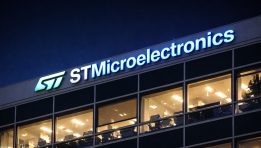
STMicroelectronics has begun delivering STM32 microcontrollers produced entirely in China, marking a notable step in the evolving global semiconductor landscape.

