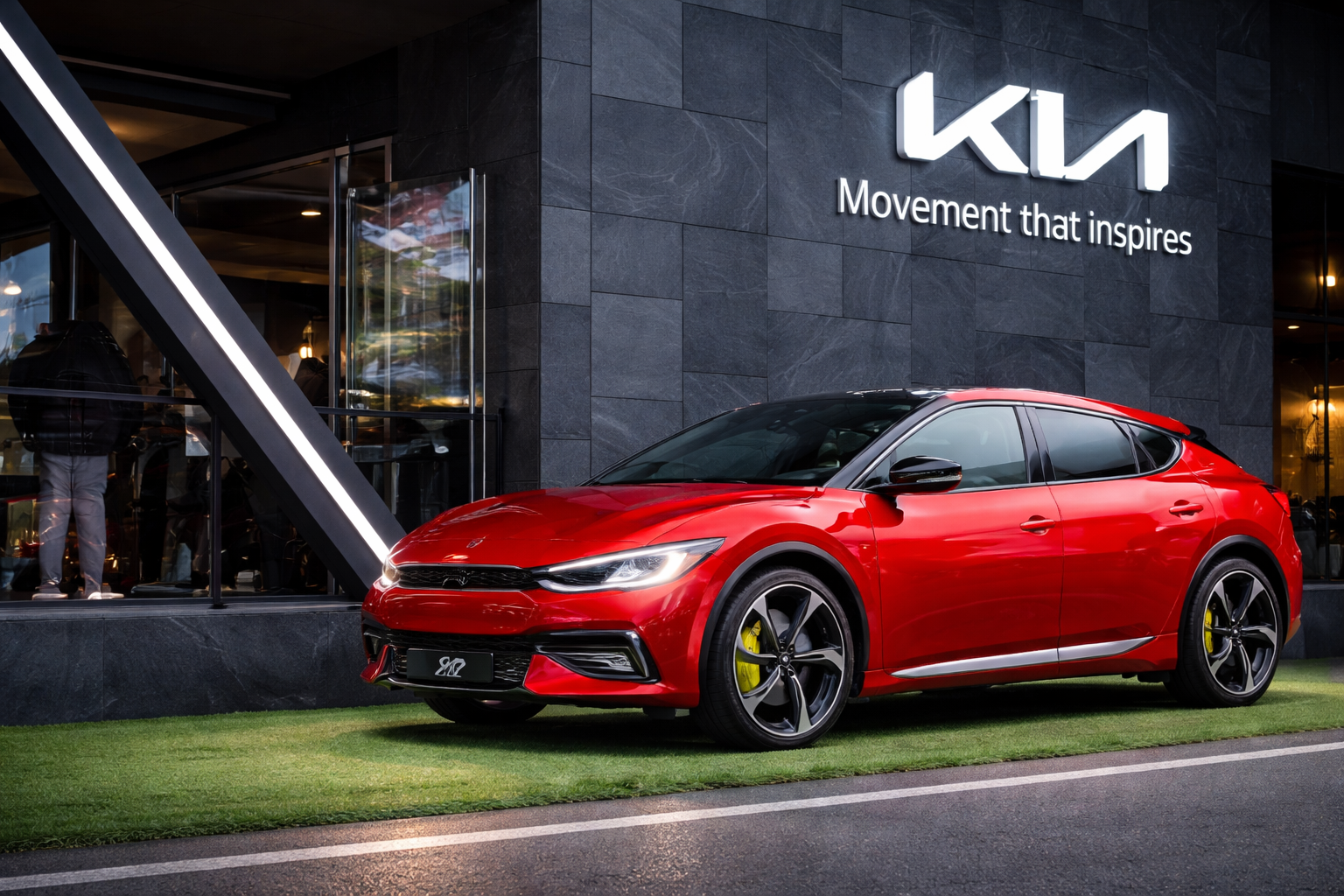
Kia’s decision to scale back its electric vehicle ambitions underscores a shifting reality in the global EV market, where growth expectations are being recalibrated amid softer demand and evolving policy support. The South Korean automaker now aims to sell 1 million EVs annually by 2030, down from its previous target of 1.26 million. The revision reflects not only changing consumer dynamics but also the ripple effects of reduced government incentives, particularly in the United States, which has historically been a key driver of EV adoption.
EV Demand Faces a Reality Check
Kia’s downward revision highlights a broader industry trend: the transition to electric mobility is proving more uneven than previously anticipated. While early adoption was fueled by subsidies, regulatory pressure, and strong consumer enthusiasm, recent data suggests a moderation in demand growth, especially as economic conditions tighten and affordability becomes a central concern.
The removal of U.S. EV subsidies has played a significant role in this shift. Incentives have long been critical in narrowing the price gap between electric and internal combustion vehicles. Without them, consumers are becoming more price-sensitive, leading automakers like Kia to reassess production targets and investment pacing.
Despite the reduction, a 1 million unit target still represents substantial growth from current levels, indicating that Kia remains committed to electrification, albeit with a more measured and realistic trajectory.
Adjusting Broader Sales Expectations
Beyond EVs, Kia also slightly lowered its total vehicle sales target for 2030 to 4.13 million units from 4.19 million. While the adjustment appears modest, it signals a cautious outlook on overall automotive demand. This reflects a convergence of factors, including macroeconomic uncertainty, shifting consumer preferences, and intensifying competition across both traditional and electric segments.
From a strategic perspective, such revisions suggest that management is prioritizing achievable growth over overly optimistic projections. For investors, this may enhance credibility, as companies that proactively adjust expectations are often better positioned to navigate cyclical downturns.
Automation Strategy: Humanoid Robots Enter the Factory Floor
In parallel with its revised sales outlook, Kia is accelerating its investment in automation. The company plans to deploy Atlas humanoid robots, developed by Boston Dynamics, at its Georgia manufacturing facility starting in 2029. This move represents a significant step toward integrating advanced robotics into large-scale automotive production.
The use of humanoid robots could improve efficiency, reduce labor costs, and enhance workplace safety, particularly in repetitive or hazardous tasks. It also reflects a broader industry trend where manufacturers are increasingly leveraging artificial intelligence and robotics to maintain competitiveness in a cost-sensitive environment.
Importantly, this dual strategy—tempering growth expectations while investing in productivity—illustrates how automakers are adapting to a more complex operating landscape. Rather than relying solely on volume expansion, companies are seeking to optimize margins and operational resilience.
Forward Outlook: Transition Slows, Innovation Continues
Looking ahead, Kia’s revised targets may serve as a bellwether for the global automotive industry. The pace of EV adoption is likely to remain uneven, influenced by policy shifts, infrastructure development, and consumer affordability. At the same time, technological innovation—particularly in automation and AI—will continue to reshape manufacturing and cost structures.
For investors and industry observers, the key question is whether the current slowdown represents a temporary pause or a more structural adjustment in the EV transition. Monitoring policy developments, battery cost trends, and consumer demand patterns will be critical in assessing the next phase of growth.