


- orshu
- •
- 7 Min Read
- •
- 20 minutes ago
Key Points
- Gold’s dip below $5,000 reflects profit-taking rather than structural weakness.
- Thin liquidity and prior speculative excess have amplified volatility.
- Institutional forecasts continue to support a bullish medium-term outlook.
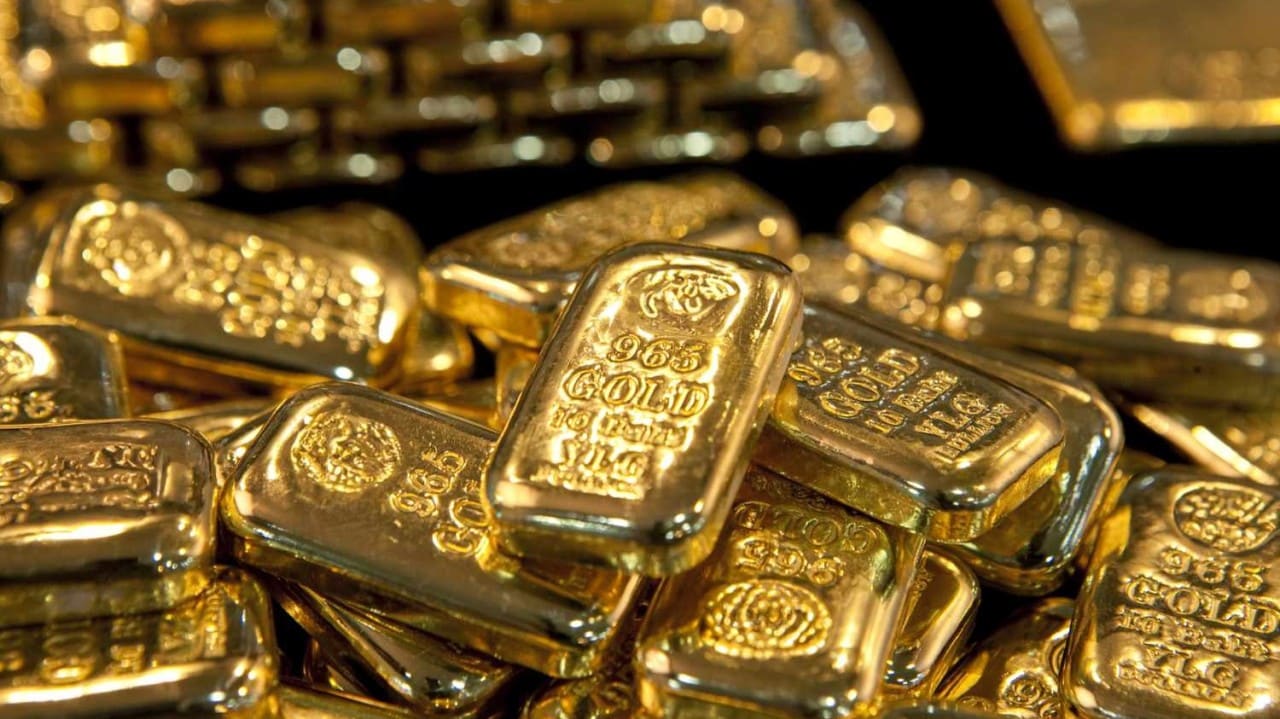
Gold retreated below the psychologically critical $5,000-an-ounce threshold as investors booked profits after a sharp rebound driven by softer U.S. inflation data. The pullback underscores how fragile sentiment remains in a market that has experienced record highs, a near 10% two-day plunge, and renewed bullish projections — all within weeks. For investors in both U.S. and Israeli markets, the metal’s volatility reflects a broader struggle between speculative flows and long-term macro positioning.
Spot gold fell as much as 1.5% after gaining 2.4% in the previous session, when January’s consumer price data suggested inflationary pressures were moderating. That reading reinforced expectations that the Federal Reserve could resume interest-rate cuts later this year — a traditional tailwind for non-yielding assets like gold.
Profit-Taking Meets Technical Resistance
Market strategists note that gold’s recent inability to sustain levels above $5,100 has triggered tactical selling. According to Pepperstone analysts, repeated failed breakout attempts at those highs encouraged short-term traders to crystallize gains. The move appears less like a reversal of the broader uptrend and more like consolidation after an aggressive speculative run.
Liquidity conditions have also played a role. With Chinese markets closed for the Lunar New Year holiday, trading volumes in Asia have thinned, magnifying price swings. China has been a central force in the recent rally, both through exchange-traded products and futures activity. Authorities in Shenzhen have even warned against illegal gold-trading schemes involving leveraged retail participation — a sign that speculative fervor may have overheated.
From a behavioral standpoint, gold’s surge above $5,595 in late January bore hallmarks of a blow-off top before the sharp correction toward $4,400. The subsequent rebound to near $5,000 suggests investors are recalibrating rather than abandoning positions.
Macro Drivers Still Intact
Despite short-term volatility, many institutional forecasts remain firmly bullish. Analysts cite persistent geopolitical tensions, structural concerns about the Federal Reserve’s independence, and a gradual diversification away from traditional reserve assets such as sovereign bonds and major currencies.
ANZ projects gold could reach $5,800 in the second quarter, joining several global banks that foresee higher prices through 2026. The rationale rests on easing monetary policy, continued central bank accumulation, and steady investor demand as portfolio insurance against macro uncertainty.
Recent U.S. inflation data provided reassurance that price pressures are not re-accelerating dramatically. If subsequent data confirms moderation, the Fed may have room to reduce borrowing costs — a scenario that historically benefits precious metals. Conversely, any upside surprise in inflation or unexpected policy tightening could challenge the current support levels.
Balancing Volatility and Structural Resilience
Silver, platinum, and palladium also traded lower alongside gold, while the Bloomberg Dollar Spot Index edged modestly higher, adding incremental pressure. Still, analysts characterize the latest move as orderly consolidation rather than panic selling.
For investors, the key distinction lies between short-term momentum trades and structural allocations. Tactical traders may continue exploiting volatility within a defined range, while long-term holders focus on macro catalysts such as monetary policy, currency diversification trends, and geopolitical risks.
Looking ahead, thinner liquidity around the U.S. Presidents’ Day holiday could exaggerate price action. However, barring a material shift in macro conditions, gold’s underlying narrative remains intact. The question for markets is not whether volatility will persist, but whether the current consolidation phase sets the stage for another leg higher in an already historic rally.
Comparison, examination, and analysis between investment houses
Leave your details, and an expert from our team will get back to you as soon as possible
* This article, in whole or in part, does not contain any promise of investment returns, nor does it constitute professional advice to make investments in any particular field.
To read more about the full disclaimer, click here
- orshu
- •
- 7 Min Read
- •
- ago 2 minutes
SKN | Why Are US Natural Gas Prices Sliding to Four-Month Lows Despite Tight Inventories?
US natural gas futures tumbled to around $3.02 per MMBtu, marking their lowest level in four months, as traders reacted
- ago 2 minutes
- •
- 7 Min Read

US natural gas futures tumbled to around $3.02 per MMBtu, marking their lowest level in four months, as traders reacted

- Ronny Mor
- •
- 8 Min Read
- •
- ago 4 hours
SKN | Oil Holds Steady as Geopolitical Risk Builds Ahead of Iran Nuclear Talks
Oil prices traded in a narrow range at the start of the week, with Brent crude hovering near the mid-$80
- ago 4 hours
- •
- 8 Min Read

Oil prices traded in a narrow range at the start of the week, with Brent crude hovering near the mid-$80
- Ronny Mor
- •
- 6 Min Read
- •
- ago 10 hours
SKN | Carry Trade and Commodities Shield EM Currencies: Are They Now More Stable Than G-7 FX?
Emerging-market currencies are showing an unusual degree of resilience relative to their developed-market peers, challenging long-standing assumptions about foreign-exchange
- ago 10 hours
- •
- 6 Min Read

Emerging-market currencies are showing an unusual degree of resilience relative to their developed-market peers, challenging long-standing assumptions about foreign-exchange

- sagi habasov
- •
- 6 Min Read
- •
- ago 2 days
SKN | Potential Steel and Aluminum Tariff Rollback Signals Broader Shift Toward Affordability Agenda
Markets are assessing reports that former President Donald Trump may consider rolling back steel and aluminum tariffs if re-elected,
- ago 2 days
- •
- 6 Min Read
Markets are assessing reports that former President Donald Trump may consider rolling back steel and aluminum tariffs if re-elected,

