





- sagi habasov
- •
- 6 Min Read
- •
- 19 hours ago
Key Points
- Gold’s 2026 performance has been highly volatile, with the metal moving from record highs above $5,500 per ounce to below $4,000 before recovering.
- Historical drawdown data suggests that gold corrections can become substantial once momentum reverses, although past patterns do not guarantee a similar outcome.
- The outlook increasingly depends on interest rates, the U.S. dollar, geopolitical risk premiums and continued central-bank demand.
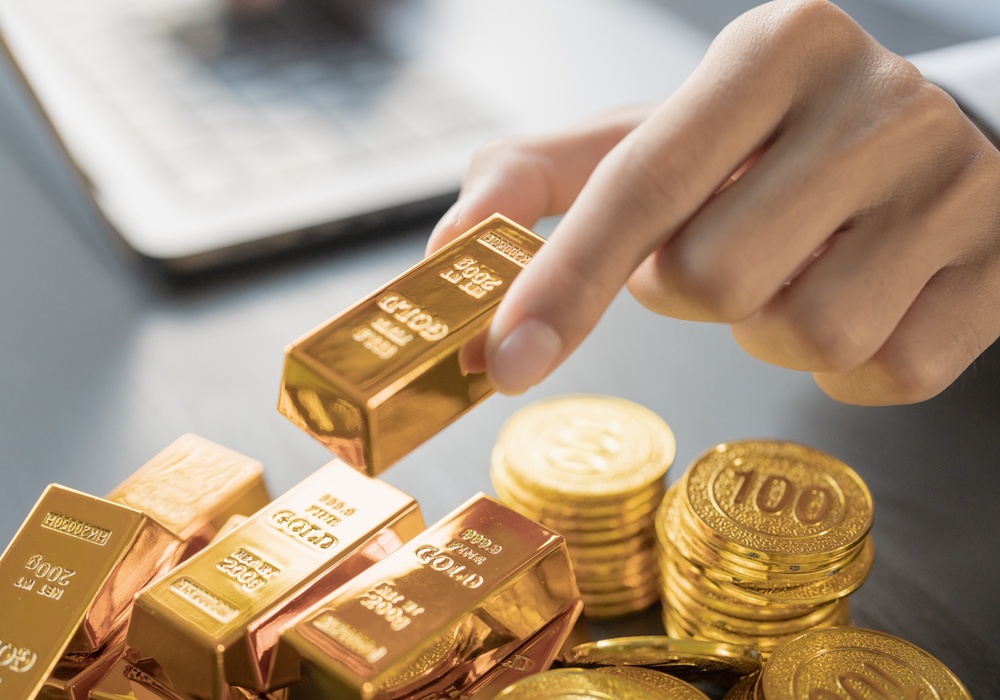
Gold’s remarkable rally has entered a more complicated phase, raising the question of whether another period of cooling could emerge. The metal’s 2026 price action has already demonstrated that strong structural demand does not prevent substantial corrections, with gold moving through an unusually wide range as investors reassessed geopolitical risks, monetary policy and global growth expectations.
Gold’s 2026 Rally Has Already Shown Its Vulnerability
The scale of gold’s recent volatility provides an important backdrop for the current outlook. According to the World Gold Council, gold reached several record highs early in 2026 and moved above $5,500 per ounce intraday in January before subsequently falling below $4,000 in late June. The move demonstrated that even a market supported by strong investor and central-bank interest can experience rapid repricing when sentiment changes.
That history is relevant because gold does not move solely according to inflation or geopolitical concerns. Real yields, the U.S. dollar, liquidity conditions and investor positioning can materially influence the opportunity cost of holding a non-yielding asset. A more resilient dollar or a sustained increase in bond yields could therefore create additional pressure even if longer-term demand remains constructive.
History Offers a Warning, Not a Forecast
Historical drawdowns provide another reason for investors to remain measured. World Gold Council research covering gold-price corrections since 1971 found that declines of at least 5% occurred repeatedly, with an average drawdown of approximately 16%. Episodes involving declines of 10% or more had an average drawdown of about 30%, although the organization stresses that historical patterns do not rule out larger or longer corrections.
This distinction is important for professional asset allocators. A historical pattern can demonstrate how quickly momentum can reverse, but it cannot establish where the next correction will end. Gold’s current valuation and market structure must therefore be assessed alongside macroeconomic conditions rather than through historical comparisons alone.
The Outlook Depends on Rates, the Dollar and Risk Premiums
The outlook for gold remains highly dependent on the interaction between monetary policy and geopolitical risk. The World Gold Council’s mid-year assessment suggests that, under a moderate-growth environment with cooling inflation and limited central-bank tightening, gold could remain relatively range-bound. Conversely, weaker growth, elevated geopolitical risks or less restrictive monetary policy could provide renewed support.
The downside scenario is equally important. A stronger-than-expected global economy could push yields and the U.S. dollar higher, reducing the relative appeal of gold. At the same time, any meaningful reduction in geopolitical risk premiums could remove part of the defensive demand that has supported the metal.
Looking ahead, the key question is less whether gold can remain structurally supported and more whether current prices adequately reflect those supports. Investors will likely monitor U.S. inflation, Treasury yields, dollar movements, central-bank purchases and geopolitical developments for evidence of the next major directional shift. A period of consolidation or correction would not necessarily invalidate gold’s longer-term role, but it could test whether recent demand is sufficiently durable to absorb profit-taking and renewed volatility. For global and Israeli investors, positioning, currency risk and the changing geopolitical premium will remain central to the gold outlook.
Comparison, examination, and analysis between investment houses
Leave your details, and an expert from our team will get back to you as soon as possible
* This article, in whole or in part, does not contain any promise of investment returns, nor does it constitute professional advice to make investments in any particular field.
To read more about the full disclaimer, click here
- sagi habasov
- •
- 7 Min Read
- •
- ago 18 hours
SKN | Gold Holds Near Two-Month High as Markets Await U.S. Inflation Data
Gold edged lower on Tuesday but remained close to its highest level in more than two months as investors
- ago 18 hours
- •
- 7 Min Read
Gold edged lower on Tuesday but remained close to its highest level in more than two months as investors

- orshu
- •
- 7 Min Read
- •
- ago 1 day
SKN | Gold Holds Above $4,400 as Iran Tensions and Hormuz Risks Support Safe-Haven Demand
Gold prices remained above $4,400 per ounce on Tuesday, August 11, as investors continued to assess rising geopolitical risks
- ago 1 day
- •
- 7 Min Read

Gold prices remained above $4,400 per ounce on Tuesday, August 11, as investors continued to assess rising geopolitical risks

- Ronny Mor
- •
- 7 Min Read
- •
- ago 1 day
SKN | U.S. Oil Climbs Above $84 as Hormuz Deadlock Raises Pressure on Global Energy Markets
U.S. crude oil prices moved above $84 per barrel as hopes for a rapid resolution to the disruption surrounding
- ago 1 day
- •
- 7 Min Read
U.S. crude oil prices moved above $84 per barrel as hopes for a rapid resolution to the disruption surrounding

- Lior mor
- •
- 6 Min Read
- •
- ago 1 day
SKN | Oil Holds Near One-Week Highs as Hopes for a US-Iran Peace Deal Fade
Oil prices stabilized near one-week highs on Tuesday as expectations for a near-term US-Iran peace agreement weakened, reducing prospects for
- ago 1 day
- •
- 6 Min Read
Oil prices stabilized near one-week highs on Tuesday as expectations for a near-term US-Iran peace agreement weakened, reducing prospects for


