


- omer bar
- •
- 7 Min Read
- •
- 6 minutes ago
Key Points
- Copper fell sharply amid rising geopolitical tensions and inflation concerns.
- Higher energy prices are pressuring manufacturing and global economic growth.
- China’s dip-buying offers partial support but may not offset global weakness.

Copper prices are flashing warning signs for the global economy as geopolitical tensions in the Middle East trigger a broad selloff across risk assets. Often viewed as a barometer of economic health, the metal’s sharp decline reflects mounting concerns that rising energy costs, persistent inflation, and tightening monetary conditions could weigh heavily on global growth in the months ahead.
Geopolitical Tensions Trigger Broad Commodity Selloff
Copper dropped 1.8% to around $11,929 per metric ton in London, marking a weekly loss of nearly 7%—its steepest decline in almost a year. The move comes as markets react to escalating conflict in the Middle East, including concerns over potential U.S. military involvement.
The الأزمة has disrupted key supply chains, particularly through the Strait of Hormuz, a critical chokepoint for global energy flows. As oil and gas prices surge, the ripple effects are being felt across industrial commodities, with copper among the hardest hit.
This reflects a classic macro pattern: when energy costs spike, industrial demand expectations weaken, leading to downward pressure on growth-sensitive assets.
Inflation Pressures Complicate Central Bank Policy
Rising energy prices are feeding directly into inflation, complicating the outlook for central banks such as the Federal Reserve. Markets are increasingly pricing in the possibility of tighter monetary policy, with traders now assigning a significant probability to further rate hikes.
Higher interest rates tend to weigh on industrial metals by increasing borrowing costs and slowing economic activity. For copper, which is heavily tied to construction, manufacturing, and infrastructure spending, this creates a dual headwind: weakening demand and tighter financial conditions.
The current environment raises the risk of a stagflation-like scenario, where growth slows while inflation remains elevated—a particularly challenging backdrop for commodity markets.
China Provides a Partial Demand Cushion
Despite the global downturn, China is emerging as a stabilizing force. As the world’s largest consumer of copper, Chinese buyers have stepped in to take advantage of lower prices following the recent pullback.
Falling inventories in key regions such as Shanghai and Guangdong, along with increased processing activity, suggest that underlying demand remains resilient. The price gap between London and Shanghai markets has also opened arbitrage opportunities, encouraging imports into China.
However, while this dip-buying offers short-term support, it may not be sufficient to offset broader global demand weakness—especially if economic conditions deteriorate further in major economies.
Industrial Metals Reflect Broader Risk Sentiment
Copper’s decline is part of a wider trend across base metals, with aluminum, tin, and nickel showing mixed but generally cautious performance. The broader commodity complex is increasingly being driven by macro factors rather than individual supply-demand dynamics.
This shift highlights how interconnected global markets have become. Events in energy markets are now rapidly influencing metals, equities, and currencies, reinforcing copper’s role as a leading indicator of economic sentiment.
Investors are closely watching whether the current downturn represents a temporary adjustment or the بداية of a deeper cyclical slowdown.
Forward Outlook: Copper as a Leading Indicator of Economic Stress
Looking ahead, copper’s trajectory will largely depend on the interplay between geopolitical developments, energy prices, and monetary policy. Continued disruptions in energy supply and persistent inflation could keep pressure on industrial demand, limiting upside for the metal. However, sustained buying from China and any signs of de-escalation in geopolitical tensions could provide a floor for prices. For investors, copper remains a critical signal to monitor—its movements often precede broader shifts in the global economic cycle, making it a key asset in assessing both risk and opportunity in an increasingly uncertain environment.
Comparison, examination, and analysis between investment houses
Leave your details, and an expert from our team will get back to you as soon as possible
* This article, in whole or in part, does not contain any promise of investment returns, nor does it constitute professional advice to make investments in any particular field.
To read more about the full disclaimer, click here
- orshu
- •
- 7 Min Read
- •
- ago 48 seconds
SKN | Oil Surges to Multi-Year High as Middle East Supply Risks Intensify: What It Means for Global Markets
Global oil markets have surged to their highest levels since July 2022, reflecting mounting concerns over supply disruptions in
- ago 48 seconds
- •
- 7 Min Read
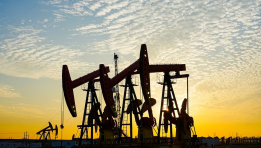
Global oil markets have surged to their highest levels since July 2022, reflecting mounting concerns over supply disruptions in

- Ronny Mor
- •
- 7 Min Read
- •
- ago 51 minutes
SKN | Energy Market Warning: Qatar Signals Geopolitical Risks as Iran Tensions Threaten Global Supply Stability
Global energy markets are increasingly focused on geopolitical developments after a senior Qatar energy executive warned of the risks
- ago 51 minutes
- •
- 7 Min Read

Global energy markets are increasingly focused on geopolitical developments after a senior Qatar energy executive warned of the risks
- Ronny Mor
- •
- 6 Min Read
- •
- ago 2 hours
SKN | Agriculture Stock Surges as Institutional Capital Enters: Opportunity or Overextension?
An agriculture-focused stock has captured market attention after a significant price surge and a reported $12 million investment from
- ago 2 hours
- •
- 6 Min Read

An agriculture-focused stock has captured market attention after a significant price surge and a reported $12 million investment from

- Lior mor
- •
- 6 Min Read
- •
- ago 17 hours
SKN | Gold Faces Steep Decline as War Pressures Rate-Cut Expectations, Set for Worst Week in Six Years
Gold prices have fallen this week, marking the metal’s steepest weekly decline in six years, as investors reassess expectations for
- ago 17 hours
- •
- 6 Min Read

Gold prices have fallen this week, marking the metal’s steepest weekly decline in six years, as investors reassess expectations for

