


- sagi habasov
- •
- 7 Min Read
- •
- 36 minutes ago
Key Points
- China is positioning itself as a stable economic force amid rising geopolitical uncertainty and global volatility.
- Strong attendance from U.S. corporate leaders signals continued business engagement despite political tensions.
- Long-term credibility will depend on China’s ability to translate strategic messaging into consistent and transparent policy execution
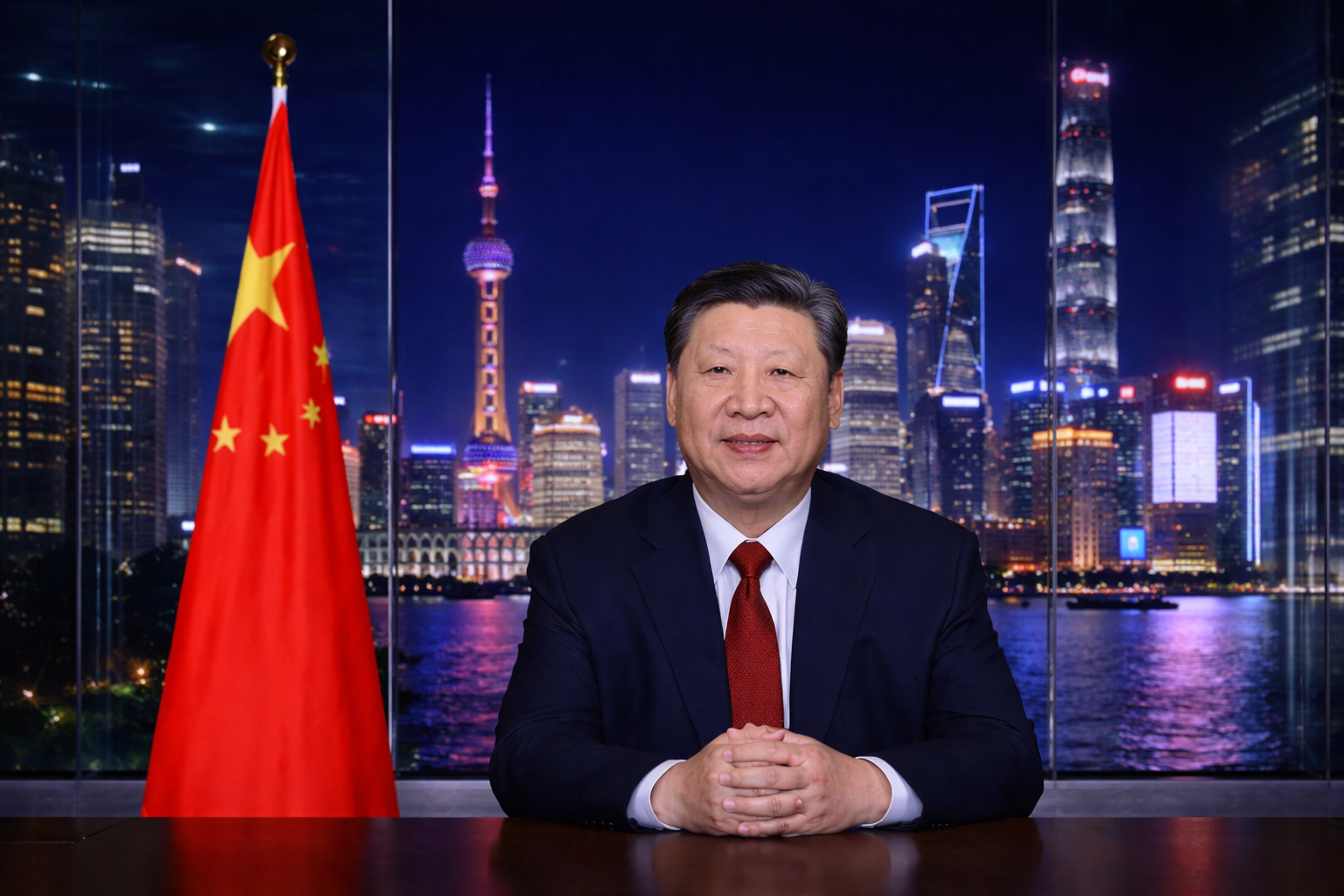
As geopolitical tensions intensify and global markets wrestle with inflation, trade fragmentation, and energy shocks, China is actively repositioning itself as a pillar of stability. At this year’s China Development Forum in Beijing, officials delivered a more confident and assertive message: the world’s second-largest economy is not just recovering — it aims to serve as a predictable and reliable force in an increasingly volatile global system.
A More Confident China Steps Into a Fragmented World
The tone of this year’s forum marked a clear departure from the cautious messaging seen in post-pandemic years. Rather than focusing on recovery measures, Chinese leaders emphasized structural strengths such as innovation, industrial upgrading, and long-term economic resilience. Premier Li Qiang’s remarks highlighted China’s commitment to maintaining open trade channels and fostering global cooperation, even as tensions with the United States remain unresolved.
This shift comes at a strategic moment. With a record $1.2 trillion trade surplus in 2025 and ongoing friction with Western economies, Beijing is reframing its narrative — positioning itself not as a challenger to the global order, but as a stabilizing counterweight to what it portrays as increasingly unpredictable Western policy decisions. The ongoing Middle East conflict and resulting surge in energy prices have further amplified that message, giving China an opportunity to present itself as a calm and rules-based actor.
Global Corporations Signal Continued Engagement
Despite geopolitical strains, the presence of major U.S. corporate leaders at the forum underscored a critical reality: global businesses are not disengaging from China. Executives from companies such as Apple, McDonald’s, Eli Lilly, Mastercard, and Tapestry attended, signaling continued interest in maintaining access to Chinese markets and supply chains.
This dynamic reflects a broader recalibration rather than a decoupling. Multinationals are increasingly balancing geopolitical risks with commercial necessity, keeping strategic ties intact while diversifying exposure elsewhere. The stronger turnout from U.S. firms this year suggests that, even amid political tensions, corporate America still views China as indispensable to global growth.
However, the absence of Japanese executives highlighted the limits of China’s outreach. Diplomatic frictions with Tokyo serve as a reminder that economic cooperation remains deeply intertwined with geopolitical alignment, and China’s appeal as a stable partner is not universally accepted.
Strategy, Optics, and the Road Ahead
Beyond messaging, the forum reinforced China’s medium-term economic priorities: technological self-reliance, advanced manufacturing, and “high-quality development.” These pillars are central to Beijing’s strategy as it seeks to reduce dependence on foreign technology while climbing the value chain.
Yet skepticism persists. Some attendees noted that discussions felt increasingly scripted and bureaucratic, raising questions about how effectively China can translate its messaging into tangible reforms that attract long-term investment.
Looking forward, much will depend on high-level political developments, particularly any future meeting between President Xi Jinping and U.S. President Donald Trump. Such engagement could set the tone for trade relations and determine how multinational corporations position themselves in the next phase of global economic realignment.
Ultimately, China’s attempt to brand itself as a stabilizing force comes at a time when investors and policymakers are searching for predictability. Whether that narrative gains lasting traction will depend not only on messaging, but on policy execution, transparency, and the evolving balance of global power.
Comparison, examination, and analysis between investment houses
Leave your details, and an expert from our team will get back to you as soon as possible
* This article, in whole or in part, does not contain any promise of investment returns, nor does it constitute professional advice to make investments in any particular field.
To read more about the full disclaimer, click here
- omer bar
- •
- 6 Min Read
- •
- ago 9 hours
SKN | Could the Fed Still Hike Rates in 2026 as Inflation Risks Resurface?
The Federal Reserve’s policy path is becoming increasingly uncertain as inflation pressures re-emerge, forcing markets to reconsider earlier expectations of
- ago 9 hours
- •
- 6 Min Read
The Federal Reserve’s policy path is becoming increasingly uncertain as inflation pressures re-emerge, forcing markets to reconsider earlier expectations of

- sagi habasov
- •
- 6 Min Read
- •
- ago 22 hours
SKN | Can Japan’s 5% Wage Growth Finally Break Its Low-Inflation Cycle?
Japan’s corporate sector is delivering another year of strong wage increases, with average pay hikes exceeding 5% for the third
- ago 22 hours
- •
- 6 Min Read

Japan’s corporate sector is delivering another year of strong wage increases, with average pay hikes exceeding 5% for the third

- Lior mor
- •
- 6 Min Read
- •
- ago 1 day
SKN | Is the “Energy Tax” Quietly Draining U.S. Consumers and Complicating the Fed’s Next Move?
Rising gasoline prices are rapidly emerging as a hidden tax on American households, with fuel costs surging nearly $1 per
- ago 1 day
- •
- 6 Min Read

Rising gasoline prices are rapidly emerging as a hidden tax on American households, with fuel costs surging nearly $1 per
- Lior mor
- •
- 6 Min Read
- •
- ago 2 days
SKN | Is the ‘Energy Tax’ About to Derail Consumer Spending and Delay Fed Rate Cuts?
Surging gasoline prices are increasingly acting as an invisible tax on American consumers, raising fresh concerns about inflation, spending power,
- ago 2 days
- •
- 6 Min Read
Surging gasoline prices are increasingly acting as an invisible tax on American consumers, raising fresh concerns about inflation, spending power,

