





- orshu
- •
- 6 Min Read
- •
- 8 months ago


Key Points
- ProShares UltraShort QQQ (QID) gained nearly 2% as technology stocks showed renewed fragility.
- The ETF reflected short-term defensive positioning amid mixed macro signals and elevated valuations.
- Volatility and rate expectations remain key drivers for inverse Nasdaq exposure in early 2026.

The ProShares UltraShort QQQ (QID) opened the new year on a firmer footing, advancing to USD 20.20 as markets digested lingering uncertainty around growth stocks. The move comes as investors reassess risk exposure following a strong but uneven finish to 2025, particularly within the Nasdaq-heavy technology complex.
Inverse Exposure Responds to Nasdaq Hesitation
QID, which seeks to deliver twice the inverse daily performance of the Nasdaq-100 Index, benefited from early signs of hesitation in large-cap technology shares. While broader equity indices have remained relatively resilient, pockets of weakness in high-multiple stocks have resurfaced, creating tactical demand for inverse products.
During the latest session, QID traded within a narrow range of USD 19.83 to USD 20.20, closing near the day’s high. This price action suggests investors were positioning defensively rather than reacting to outright panic. With the Nasdaq still sensitive to earnings expectations and macro data, inverse ETFs like QID continue to function as short-term hedging tools rather than long-duration holdings.
Flows, Structure, and Risk Characteristics
With net assets of approximately USD 285 million and daily volume above its recent average, QID remains one of the more actively used inverse equity ETFs. Its negative beta of roughly -2.2 underscores its aggressive sensitivity to downside moves in technology stocks, amplifying both gains and losses over short periods.
However, the ETF’s structure also introduces compounding effects that can erode returns over time, especially in choppy or sideways markets. This dynamic was evident in QID’s year-to-date performance, which remains sharply negative despite periodic rallies. As such, its usage tends to spike during periods of volatility or tactical repositioning, rather than during sustained market trends.
Macro Signals and Sector Implications
The renewed interest in QID reflects broader macro crosscurrents. Expectations around interest rate normalization, persistent inflation risks, and slowing global growth continue to influence sentiment toward long-duration growth assets. Technology stocks, which dominate the Nasdaq-100, remain particularly exposed to changes in discount rates and earnings visibility.
For global investors, including those in Israel, the ETF’s movement offers insight into shifting risk appetite rather than a standalone signal. Increased activity in inverse products often coincides with rising demand for capital preservation and hedging across portfolios, even when headline indices appear stable.
Looking ahead, QID’s performance will hinge on whether early-2026 volatility develops into a more sustained correction or fades as markets regain confidence. Investors will closely monitor upcoming US inflation data, central bank guidance, and earnings updates from major technology firms. While inverse ETFs can benefit from downside momentum, they also carry heightened risk if markets stabilize or rebound, making timing and market conditions critical factors in determining outcomes.
Comparison, examination, and analysis between investment houses
Leave your details, and an expert from our team will get back to you as soon as possible
* This article, in whole or in part, does not contain any promise of investment returns, nor does it constitute professional advice to make investments in any particular field.
To read more about the full disclaimer, click here
- Ronny Mor
- •
- 7 Min Read
- •
- ago 24 hours
SKN | Could a Semiconductor Downturn Amplify the Case for a 3X Bear ETF?
The semiconductor industry remains one of the most important components of the global technology investment cycle, supported by artificial intelligence
- ago 24 hours
- •
- 7 Min Read
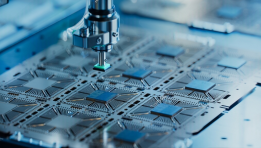
The semiconductor industry remains one of the most important components of the global technology investment cycle, supported by artificial intelligence

- sagi habasov
- •
- 7 Min Read
- •
- ago 2 days
SKN | Can Nasdaq Growth and Options Income Deliver Resilient Returns Through Changing Markets?
The combination of technology exposure and recurring income has become an increasingly important theme as investors assess elevated U.S. equity
- ago 2 days
- •
- 7 Min Read

The combination of technology exposure and recurring income has become an increasingly important theme as investors assess elevated U.S. equity

- Lior mor
- •
- 6 Min Read
- •
- ago 3 days
SKN | Can Oil Prices Sustain Their Momentum as Global Energy Markets Shift?
Crude oil remains one of the most closely watched commodities in global markets, with prices responding rapidly to changes in
- ago 3 days
- •
- 6 Min Read
Crude oil remains one of the most closely watched commodities in global markets, with prices responding rapidly to changes in
- Lior mor
- •
- 6 Min Read
- •
- ago 6 days
SKN | Can Institutional Adoption Keep Driving Demand for a Spot Bitcoin ETF?
Bitcoin has become an increasingly important component of global financial markets as institutional investors, asset managers and other market participants
- ago 6 days
- •
- 6 Min Read
Bitcoin has become an increasingly important component of global financial markets as institutional investors, asset managers and other market participants

