


- sagi habasov
- •
- 7 Min Read
- •
- 10 seconds ago
Key Points
- Intel faces mixed fundamentals, with restructuring efforts offset by competitive pressure in AI and data centers.
- Capital-intensive turnaround strategy raises concerns about margins and near-term profitability.
- Semiconductor cycle and macro trends will play a critical role in determining price direction.
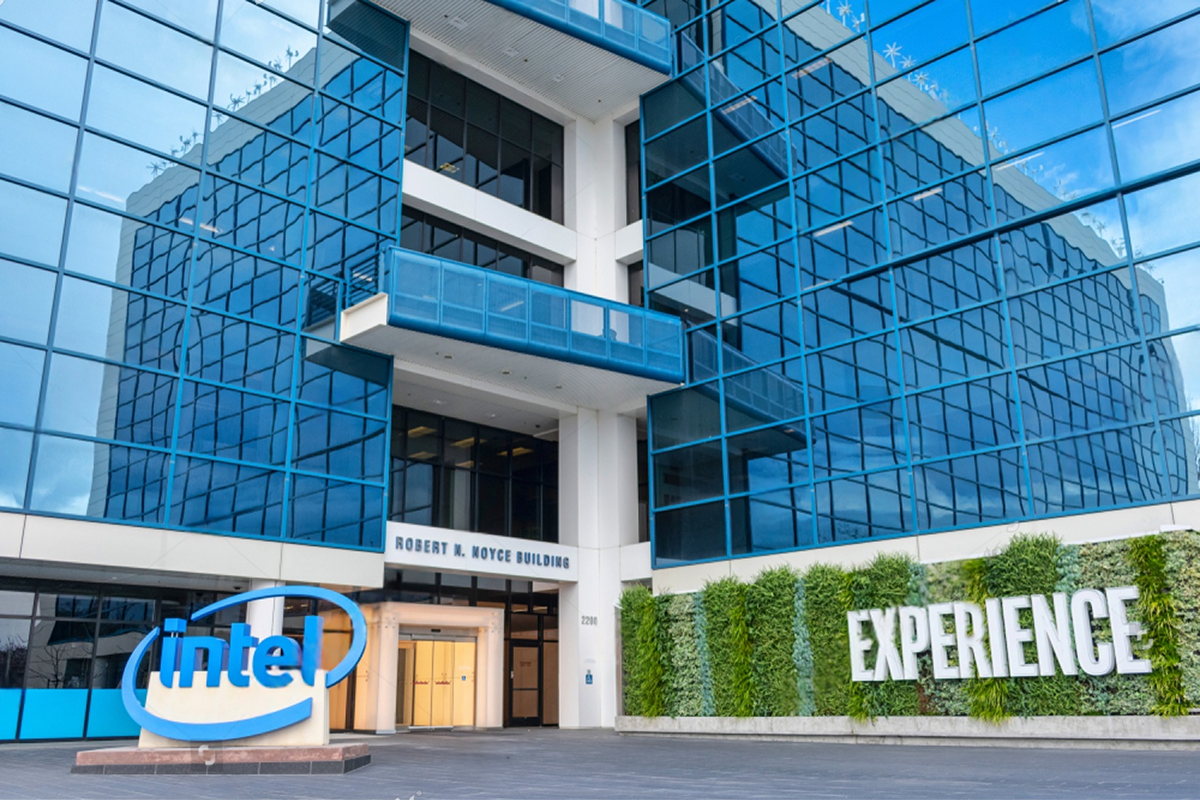
Intel Corporation (INTC) remains one of the most closely watched semiconductor stocks as investors debate whether its valuation could decline toward the 50-dollar level. The discussion comes amid a broader technology sector recalibration, where capital-intensive business models are being scrutinized in an environment shaped by high interest rates, global competition, and shifting demand dynamics.
Turnaround Strategy Faces Execution Risks
Intel’s multi-year transformation strategy, centered on expanding its foundry business and regaining process leadership, has significantly increased capital expenditures. The company is investing tens of billions of dollars into manufacturing facilities across the United States and Europe, aiming to compete with industry leaders such as Taiwan Semiconductor Manufacturing Company.
While this strategy has long-term strategic value, it has also placed pressure on free cash flow and margins. The market’s concern is not necessarily the direction of the strategy, but the timeline and execution risks involved. Delays in advanced node development or slower-than-expected customer adoption of Intel Foundry Services could weigh on investor sentiment.
This uncertainty has contributed to volatility in Intel’s stock performance, raising questions about whether downside scenarios, including a move toward 50 dollars, are plausible under certain market conditions.
Competitive Landscape and AI Market Pressure
The semiconductor industry is undergoing a structural shift driven by artificial intelligence demand. Companies like Nvidia and AMD have gained significant traction in high-performance computing and AI accelerators, areas where Intel is still working to strengthen its position.
Although Intel continues to generate substantial revenue from its core PC and server businesses, these segments face slower growth and pricing pressure. Meanwhile, competitors are capitalizing on the rapid expansion of AI workloads, capturing investor attention and capital flows.
This divergence has implications for valuation. If Intel struggles to gain meaningful share in AI-related markets, its growth profile may lag peers, increasing the likelihood of multiple compression. Conversely, successful product launches and improved competitiveness could stabilize or support the stock.
Macro Trends and Market Resonance
Broader market conditions also play a critical role in Intel’s trajectory. The semiconductor sector is highly sensitive to global economic cycles, interest rates, and capital spending trends. Higher borrowing costs can disproportionately affect companies with large capital expenditure plans, such as Intel.
Additionally, movements in energy prices indirectly influence the sector. Rising oil prices can increase manufacturing and logistics costs, while declining energy prices may support broader equity market sentiment and reduce input costs for industrial operations.
For Israeli investors, the semiconductor industry holds particular relevance given the country’s strong presence in chip design and technology innovation. Intel itself has significant operations in Israel, making its performance closely tied to local employment and technological development.
Looking ahead, Intel’s stock direction will depend on a combination of execution on its turnaround strategy, competitive positioning in AI, and macroeconomic conditions. Investors are likely to monitor upcoming earnings reports, capital spending updates, and progress in advanced chip manufacturing. While downside scenarios remain part of the market debate, potential upside catalysts—including improved margins, strategic partnerships, or stronger demand recovery—could reshape expectations. The path forward is likely to remain volatile, reflecting both the risks and opportunities inherent in Intel’s transformation.
Comparison, examination, and analysis between investment houses
Leave your details, and an expert from our team will get back to you as soon as possible
* This article, in whole or in part, does not contain any promise of investment returns, nor does it constitute professional advice to make investments in any particular field.
To read more about the full disclaimer, click here
- orshu
- •
- 6 Min Read
- •
- ago 37 minutes
SKN | American Airlines Stock Jumps as Oil Eases — Can Lower Fuel Costs Sustain the Rally?
American Airlines Group Inc. (AAL) rose by 4.16 percent to close at 12.78 on April 17, outperforming broader indices
- ago 37 minutes
- •
- 6 Min Read

American Airlines Group Inc. (AAL) rose by 4.16 percent to close at 12.78 on April 17, outperforming broader indices

- omer bar
- •
- 7 Min Read
- •
- ago 2 hours
SKN | The Sterling Recovery: How FTSE 100 Outperformance Reshapes European Capital Flows
Equity Market Mechanisms and Regional Outperformance The 0.78% gain in the UK equity market on April 17, 2026, highlights a
- ago 2 hours
- •
- 7 Min Read

Equity Market Mechanisms and Regional Outperformance The 0.78% gain in the UK equity market on April 17, 2026, highlights a
- omer bar
- •
- 7 Min Read
- •
- ago 3 hours
SKN | The Vertical Integration Regime: How Project Terafab Reshapes Tesla’s Long-Term Margins
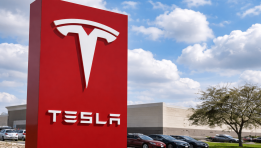
Semiconductor Sovereignty and Market Structure Tesla’s expansion into Taiwan for the Terafab project introduces a framework for managing technical debt
- ago 3 hours
- •
- 7 Min Read
Semiconductor Sovereignty and Market Structure Tesla’s expansion into Taiwan for the Terafab project introduces a framework for managing technical debt
- omer bar
- •
- 8 Min Read
- •
- ago 11 hours
SKN | Can European AI Chip Startups Challenge Nvidia as Funding Surges Past $100 Million?
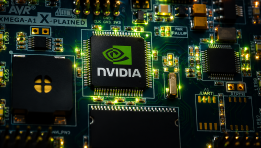
European artificial intelligence chip startups are entering a critical phase, as rising demand for next-generation computing drives a wave of
- ago 11 hours
- •
- 8 Min Read
European artificial intelligence chip startups are entering a critical phase, as rising demand for next-generation computing drives a wave of

