


- Ronny Mor
- •
- 6 Min Read
- •
- 15 seconds ago
Key Points
- The IMF highlights risks that tokenized finance could amplify financial instability during market stress.
- Increased interconnectedness and liquidity dynamics may accelerate contagion effects.
- Regulatory frameworks remain underdeveloped, raising concerns about systemic oversight.
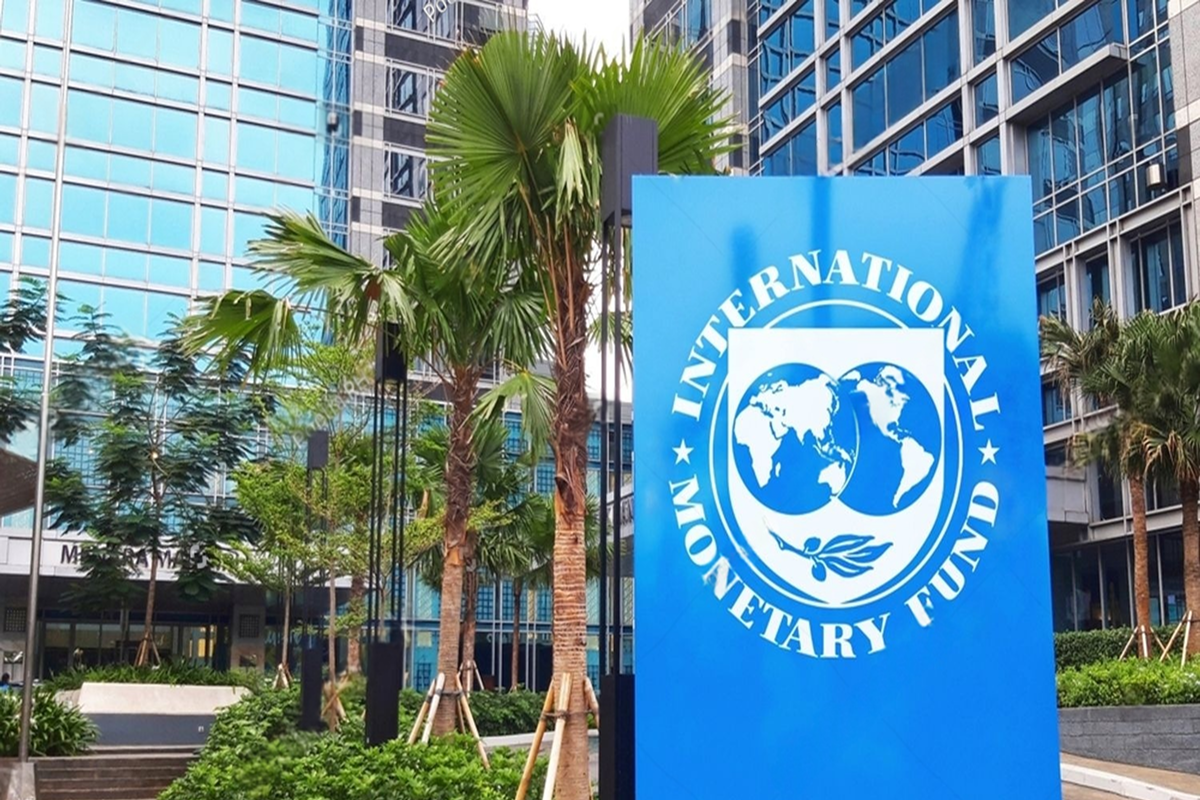
The International Monetary Fund (IMF) has raised concerns that the rapid growth of tokenized finance could introduce new vulnerabilities into global financial systems. While digital asset innovation promises efficiency and accessibility, the IMF warns that these same features could amplify market shocks during periods of financial stress.
Tokenization and Financial System Interconnectivity
Tokenized finance involves the digital representation of traditional financial assets—such as equities, bonds, and real estate—on blockchain platforms. This process enhances liquidity and enables fractional ownership, potentially broadening market participation.
However, the IMF notes that increased interconnectivity between traditional and digital financial systems may create pathways for faster transmission of risk. In a highly interconnected environment, disruptions in one segment of the market could quickly spread across asset classes and geographies.
This raises concerns about systemic stability, particularly as tokenized assets become more integrated into mainstream financial markets.
Liquidity Dynamics and Market Volatility
One of the key risks identified by the IMF relates to liquidity. Tokenized assets can be traded continuously, offering greater flexibility but also introducing the potential for rapid price swings. During periods of market stress, this liquidity may evaporate quickly, exacerbating volatility.
Unlike traditional markets, which often have circuit breakers and regulated trading hours, tokenized platforms may operate with fewer safeguards. This could lead to accelerated sell-offs and heightened instability in times of crisis.
For investors, the implications are significant, as the promise of liquidity may not hold under extreme conditions, highlighting the importance of understanding market structure risks.
Regulatory Gaps and Strategic Considerations
The IMF emphasizes that regulatory frameworks for tokenized finance are still evolving, creating uncertainty around oversight and risk management. As innovation outpaces regulation, gaps in supervision could increase the likelihood of systemic disruptions.
Policymakers face the challenge of balancing innovation with stability, ensuring that new financial technologies can develop without undermining the integrity of the broader system. This includes establishing standards for transparency, governance, and risk controls.
For global markets, including Israel’s growing fintech and blockchain sectors, the development of clear regulatory frameworks will be critical in shaping the future of tokenized finance.
Looking ahead, the trajectory of tokenized finance will depend on how effectively the industry addresses risk management, regulatory alignment, and technological resilience. Investors will monitor developments in policy frameworks, market adoption, and integration with traditional financial systems. While tokenization offers significant opportunities for efficiency and access, its potential to amplify systemic risk underscores the need for careful oversight. The balance between innovation and financial stability will remain a defining factor as digital assets continue to evolve within global markets.
Comparison, examination, and analysis between investment houses
Leave your details, and an expert from our team will get back to you as soon as possible
* This article, in whole or in part, does not contain any promise of investment returns, nor does it constitute professional advice to make investments in any particular field.
To read more about the full disclaimer, click here
- sagi habasov
- •
- 6 Min Read
- •
- ago 11 minutes
SKN | OpenAI’s Media Move: Strategic Content Acquisition Signals Expansion Beyond AI Infrastructure
OpenAI’s reported move to acquire a podcast platform signals a strategic expansion beyond artificial intelligence infrastructure into media influence
- ago 11 minutes
- •
- 6 Min Read

OpenAI’s reported move to acquire a podcast platform signals a strategic expansion beyond artificial intelligence infrastructure into media influence

- Arik Arkadi Sluzki
- •
- 6 Min Read
- •
- ago 23 hours
SKN | Figma’s Sharp Decline: Growth Reset or Market Repricing in Design Software?
Figma has experienced a significant pullback over the past month, with its stock falling by 28% as investors reassess
- ago 23 hours
- •
- 6 Min Read

Figma has experienced a significant pullback over the past month, with its stock falling by 28% as investors reassess

- omer bar
- •
- 6 Min Read
- •
- ago 24 hours
SKN | APM Terminals Expands Rail Capacity at Port of Los Angeles: Supply Chain Efficiency Enters a New Phase
APM Terminals has completed a $73 million rail expansion project at the Port of Los Angeles, marking a significant
- ago 24 hours
- •
- 6 Min Read

APM Terminals has completed a $73 million rail expansion project at the Port of Los Angeles, marking a significant

- Ronny Mor
- •
- 6 Min Read
- •
- ago 1 day
SKN | Volvo’s New VNR Launch Targets Aging US Truck Fleet: Replacement Cycle Gaining Momentum?
Volvo is accelerating its push into the US trucking market with the launch of its updated VNR model, as
- ago 1 day
- •
- 6 Min Read

Volvo is accelerating its push into the US trucking market with the launch of its updated VNR model, as

