


- Arik Arkadi Sluzki
- •
- 6 Min Read
- •
- 19 seconds ago
Key Points
- Hardware and infrastructure peers delivered mixed earnings, highlighting uneven demand across segments.
- AI-driven upgrades and enterprise refresh cycles are emerging as key catalysts for future growth.

The Q4 earnings season for hardware and infrastructure companies points to a sector navigating the transition from post-pandemic contraction toward gradual stabilization. HP Inc. (NYSE:HPQ) delivered results that suggest improving demand conditions, though the broader landscape remains uneven as enterprises and consumers adjust spending priorities.
HP’s Results Reflect Gradual PC Market Recovery
HP’s quarterly performance showed signs of stabilization, with revenue trends improving sequentially as global PC shipments began to recover from multi-quarter declines. The company’s Personal Systems segment benefited from renewed commercial demand, particularly as enterprises resumed device refresh cycles after a period of deferred spending.
However, the printing segment continued to face structural headwinds, including weaker consumer demand and ongoing digitization trends. Margins remained relatively stable, supported by cost discipline and product mix optimization, though growth remained modest compared to pre-pandemic levels. Management commentary indicated cautious optimism, with expectations of gradual improvement rather than a sharp rebound.
Mixed Performance Across Hardware and Infrastructure Peers
Across the broader hardware and infrastructure sector, earnings results reflected divergence between companies exposed to traditional hardware demand and those benefiting from AI-related infrastructure spending. Firms tied to data center expansion, particularly those supplying servers and networking equipment, reported stronger momentum compared to PC-focused vendors.
This contrast highlights a structural shift in enterprise IT spending, where budgets are increasingly directed toward cloud computing, AI workloads, and high-performance infrastructure. Meanwhile, demand for consumer hardware remains more cyclical and sensitive to macroeconomic conditions, including inflation and interest rates.
Strategic Outlook: AI and Refresh Cycles as Key Drivers
Looking ahead, the hardware sector’s recovery trajectory will likely be shaped by the intersection of AI adoption and traditional device upgrade cycles. HP and its peers are positioning for a potential wave of AI-enabled PCs, which could drive replacement demand as enterprises seek productivity gains and enhanced security features.
For global markets, including Israel’s technology ecosystem, the implications are notable. Israel’s role in semiconductors, enterprise software, and cybersecurity aligns with the evolving needs of hardware infrastructure, particularly as AI integration increases system complexity and security requirements. However, competition remains intense, and pricing pressures could persist in commoditized segments of the market.
In the coming quarters, investors will monitor indicators such as enterprise IT spending trends, PC shipment data, and the pace of AI-driven hardware adoption. While HP’s latest results suggest the sector may be moving past its cyclical trough, the sustainability of recovery will depend on broader economic conditions and the ability of companies to capture value from emerging technology shifts.
Comparison, examination, and analysis between investment houses
Leave your details, and an expert from our team will get back to you as soon as possible
* This article, in whole or in part, does not contain any promise of investment returns, nor does it constitute professional advice to make investments in any particular field.
To read more about the full disclaimer, click here
- Lior mor
- •
- 7 Min Read
- •
- ago 13 minutes
SKN | Is the $1.3 Trillion Chip Forecast Real—or Is AI Hype Driving Unsustainable Expectations?
The global semiconductor industry is entering what could be its most transformative—and controversial—growth phase. A new forecast from Bank of
- ago 13 minutes
- •
- 7 Min Read

The global semiconductor industry is entering what could be its most transformative—and controversial—growth phase. A new forecast from Bank of
- Lior mor
- •
- 6 Min Read
- •
- ago 16 minutes
SKN | Microsoft Leads Automation Software Earnings—Sustained AI Momentum or Peak Growth Cycle?
The latest Q4 earnings season for the automation software segment highlights a widening gap between market leaders and smaller
- ago 16 minutes
- •
- 6 Min Read

The latest Q4 earnings season for the automation software segment highlights a widening gap between market leaders and smaller

- omer bar
- •
- 7 Min Read
- •
- ago 3 hours
SKN | Is Apple Quietly Opening the Door to Nvidia in the AI Race?
Apple’s reported approval of a third-party driver enabling Nvidia GPUs on Apple Silicon Macs may appear incremental, but it carries
- ago 3 hours
- •
- 7 Min Read

Apple’s reported approval of a third-party driver enabling Nvidia GPUs on Apple Silicon Macs may appear incremental, but it carries
- omer bar
- •
- 10 Min Read
- •
- ago 13 hours
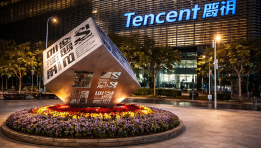
SKN | Is Tencent’s Bet on Huawei Chips Redefining China’s AI Power Balance?
Tencent Holdings is deepening its role in China’s artificial intelligence ecosystem by placing bulk orders for AI chips from Huawei
- ago 13 hours
- •
- 10 Min Read
Tencent Holdings is deepening its role in China’s artificial intelligence ecosystem by placing bulk orders for AI chips from Huawei


