


- omer bar
- •
- 7 Min Read
- •
- 19 seconds ago
Key Points
- The Federal Reserve is expected to keep interest rates unchanged, maintaining a restrictive environment.
- Savings yields remain modest, while borrowing costs stay elevated.
- Investment strategies must adapt to a “higher-for-longer” rate landscape.
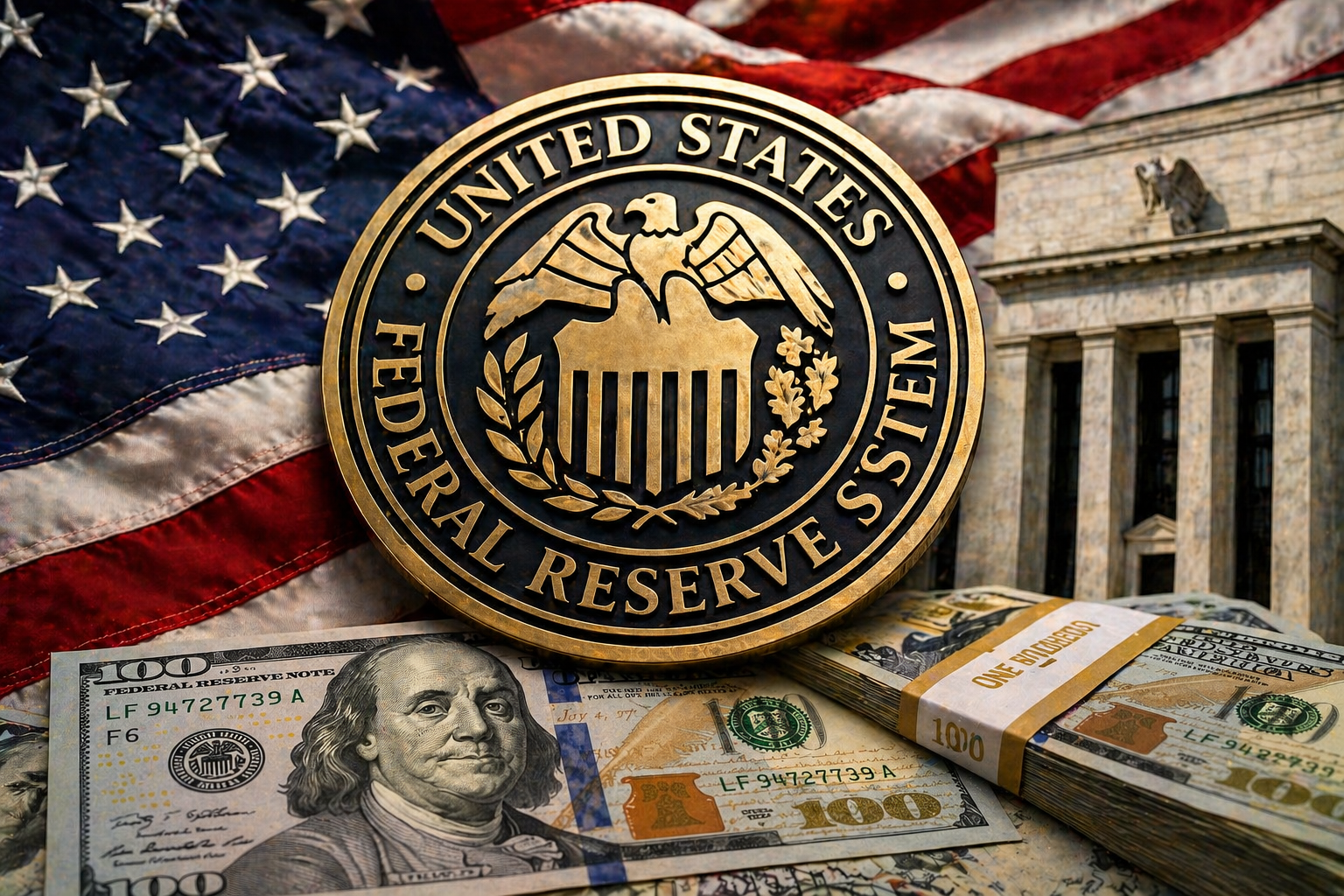
As the Federal Reserve signals another pause in interest rate changes, the implications for consumers and investors are becoming clearer. With policymakers balancing inflation risks and economic growth, a stable rate environment does not mean neutral impact. Instead, it reshapes how money flows through savings, borrowing, and investments, often in uneven ways across different financial products.
Savings Accounts and Cash Holdings Remain Limited in Returns
For everyday banking, the impact of steady rates is most visible in deposit accounts. Traditional checking accounts continue to offer minimal returns, with average yields remaining close to zero. Standard savings accounts provide only slightly better returns, still well below inflation.
However, higher-yield alternatives such as online savings accounts and money market funds are offering more competitive rates, often approaching 4%. This creates a growing gap between passive savers and those actively managing their cash. In a stable rate environment, the difference between where you hold your money becomes increasingly important.
CDs and Fixed Income Reflect Stabilizing Rates
Certificates of deposit are beginning to reflect a plateau in interest rates. Short-term CD yields have edged slightly lower, indicating that markets do not expect significant rate increases in the near future.
For savers, this creates a strategic decision: lock in current rates or remain flexible in case conditions change. While returns are more predictable than savings accounts, they may not significantly outperform inflation, particularly if economic uncertainty persists.
Loans and Mortgages Stay Relatively Expensive
Borrowing costs remain elevated under a “higher-for-longer” rate environment. Mortgage rates, influenced more by bond yields than directly by the Fed, have shown volatility but are expected to remain near current levels in the coming years.
Personal loan rates have eased slightly but are still relatively high compared to historical norms. This means that financing large purchases or consolidating debt continues to come with a meaningful cost.
For borrowers, the key takeaway is that waiting for significantly lower rates may not be a short-term solution.
Credit Card Debt Remains Costly
Credit cards continue to carry some of the highest interest rates in the financial system. Even as broader rate pressures stabilize, credit card rates have remained elevated, often exceeding 20%.
This makes revolving debt particularly expensive. Consumers carrying balances face compounding interest costs, making repayment strategies critical. Consolidation or structured repayment plans can significantly reduce long-term financial strain in this environment.
Investment Strategy Shifts in a Stable Rate Environment
Interest rates play a crucial role in shaping investment decisions. While stock markets are influenced by multiple factors, a stable rate environment removes one layer of uncertainty but does not eliminate volatility.
Higher rates tend to favor income-generating assets and can compress valuations for growth stocks. At the same time, strong corporate earnings and economic resilience can offset these pressures.
For long-term investors, the focus shifts toward portfolio balance. Diversification, quality assets, and patience become more important than short-term rate movements. Monitoring broader economic trends alongside central bank policy is essential for navigating this phase.
Outlook: Stability with Uneven Effects
The Federal Reserve’s decision to hold rates steady reflects a cautious approach to an uncertain economic landscape. While stability in policy may appear reassuring, its effects are far from uniform.
Savers must actively seek better yields, borrowers face continued pressure from high costs, and investors must adjust to a more complex environment where rates remain a key—but not dominant—factor.
Comparison, examination, and analysis between investment houses
Leave your details, and an expert from our team will get back to you as soon as possible
* This article, in whole or in part, does not contain any promise of investment returns, nor does it constitute professional advice to make investments in any particular field.
To read more about the full disclaimer, click here
- sagi habasov
- •
- 6 Min Read
- •
- ago 2 hours
SKN | Why Is Walmart Returning to the Bond Market with a $3 Billion Offering?
Walmart is re-entering the bond market with a planned $3 billion investment-grade offering, signaling confidence in its credit profile and
- ago 2 hours
- •
- 6 Min Read

Walmart is re-entering the bond market with a planned $3 billion investment-grade offering, signaling confidence in its credit profile and

- orshu
- •
- 6 Min Read
- •
- ago 4 hours
SKN | US Dollar Index Edges Higher on April 28 as Markets Weigh Policy Signals and Global Demand
The US Dollar Index (DXY) recorded a slight uptick on April 28, signaling cautious strength as global markets navigated
- ago 4 hours
- •
- 6 Min Read

The US Dollar Index (DXY) recorded a slight uptick on April 28, signaling cautious strength as global markets navigated
- orshu
- •
- 6 Min Read
- •
- ago 1 week
SKN | US Dollar Index Strengthens as Intraday Momentum Builds on April 21
The US Dollar Index (DXY) advanced on April 21, reflecting strengthening demand for the dollar as global investors navigated
- ago 1 week
- •
- 6 Min Read
The US Dollar Index (DXY) advanced on April 21, reflecting strengthening demand for the dollar as global investors navigated
- Ronny Mor
- •
- 8 Min Read
- •
- ago 1 week
SKN | Can Ceasefire Expectations Keep the Dollar Under Pressure While BOJ Policy Delay Weighs on the Yen?
Global currency markets are trading with a cautious tone as investors assess the potential impact of ceasefire discussions alongside evolving
- ago 1 week
- •
- 8 Min Read
Global currency markets are trading with a cautious tone as investors assess the potential impact of ceasefire discussions alongside evolving

