


- sagi habasov
- •
- 6 Min Read
- •
- 20 seconds ago
Key Points
- Walmart plans to raise at least $3 billion through a multi-tranche bond issuance.
- The offering highlights Walmart’s continued access to low-cost investment-grade financing.
- Proceeds may support refinancing and broader corporate strategy amid a busy issuance market.
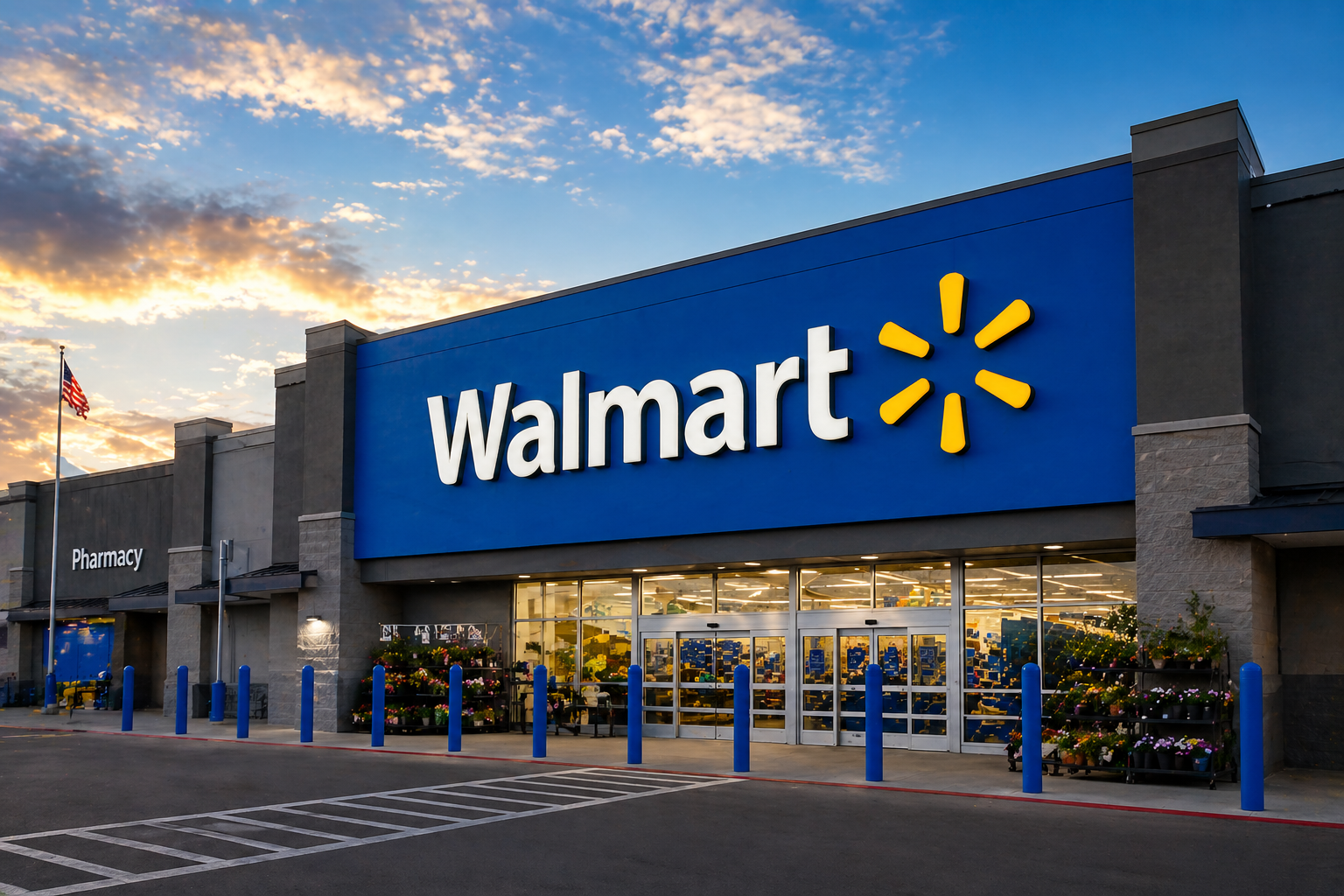
Walmart is re-entering the bond market with a planned $3 billion investment-grade offering, signaling confidence in its credit profile and funding flexibility. The move comes during a heavy issuance period in U.S. credit markets, yet Walmart’s scale and stability position it to attract strong investor demand. For markets, the transaction reflects not just routine financing, but a broader strategy of optimizing capital structure in a shifting macro environment.
Strategic Use of Investment-Grade Debt
Walmart’s planned issuance will include multiple tranches, with the longest 10-year portion priced at approximately 0.7 percentage points above U.S. Treasuries. This spread suggests favorable borrowing conditions, particularly for a company with Walmart’s credit quality.
The proceeds are expected to be used for general corporate purposes, which may include refinancing existing debt. This flexibility allows Walmart to manage its balance sheet efficiently, taking advantage of market conditions to lower financing costs or extend maturities.
Importantly, this is not a one-off move. Walmart has consistently tapped the bond market as part of its capital allocation strategy, reflecting a disciplined approach to liquidity and funding.
Strong Credit Profile Supports Demand
As one of the world’s largest retailers, Walmart benefits from a highly stable business model, underpinned by resilient consumer demand and strong cash flow generation. These characteristics make its bonds particularly attractive to institutional investors seeking reliable income in uncertain markets.
The company’s ability to return to the market during a crowded issuance week further underscores investor confidence. Even as supply increases, high-quality issuers like Walmart typically maintain strong pricing power and demand support.
This dynamic highlights a broader trend in credit markets: differentiation between high-grade borrowers and more leveraged issuers is becoming increasingly pronounced.
Timing Reflects Market Opportunity
Walmart’s decision to issue debt now aligns with a window of نسب favorable market conditions. Despite macro uncertainty, investment-grade borrowing costs remain relatively attractive, particularly compared to historical averages.
At the same time, investor appetite for yield continues to support demand for high-quality corporate bonds. By entering the market during a busy issuance period, Walmart is effectively testing the depth of that demand while securing funding on competitive terms.
This timing also suggests a proactive approach, with the company moving ahead of potential shifts in interest rates or market volatility that could make future borrowing more expensive.
Capital Strategy in Focus
Beyond the immediate transaction, the bond issuance reflects Walmart’s broader capital strategy. Maintaining access to diverse funding sources is critical for a company operating at global scale, particularly as it invests in supply chain efficiency, technology, and e-commerce capabilities.
Debt financing provides a flexible tool to support these initiatives without significantly diluting shareholders. At the same time, disciplined use of leverage ensures that the company retains its strong credit ratings and financial stability.
Looking ahead, Walmart’s ability to balance investment, shareholder returns, and debt management will remain a key focus for investors. If executed effectively, the current bond offering could reinforce its position as a reliable issuer in the investment-grade market while supporting long-term strategic growth.
Comparison, examination, and analysis between investment houses
Leave your details, and an expert from our team will get back to you as soon as possible
* This article, in whole or in part, does not contain any promise of investment returns, nor does it constitute professional advice to make investments in any particular field.
To read more about the full disclaimer, click here
- orshu
- •
- 6 Min Read
- •
- ago 2 hours
SKN | US Dollar Index Edges Higher on April 28 as Markets Weigh Policy Signals and Global Demand
The US Dollar Index (DXY) recorded a slight uptick on April 28, signaling cautious strength as global markets navigated
- ago 2 hours
- •
- 6 Min Read
The US Dollar Index (DXY) recorded a slight uptick on April 28, signaling cautious strength as global markets navigated
- orshu
- •
- 6 Min Read
- •
- ago 1 week
SKN | US Dollar Index Strengthens as Intraday Momentum Builds on April 21
The US Dollar Index (DXY) advanced on April 21, reflecting strengthening demand for the dollar as global investors navigated
- ago 1 week
- •
- 6 Min Read
The US Dollar Index (DXY) advanced on April 21, reflecting strengthening demand for the dollar as global investors navigated
- Ronny Mor
- •
- 8 Min Read
- •
- ago 1 week
SKN | Can Ceasefire Expectations Keep the Dollar Under Pressure While BOJ Policy Delay Weighs on the Yen?
Global currency markets are trading with a cautious tone as investors assess the potential impact of ceasefire discussions alongside evolving
- ago 1 week
- •
- 8 Min Read
Global currency markets are trading with a cautious tone as investors assess the potential impact of ceasefire discussions alongside evolving
- orshu
- •
- 5 Min Read
- •
- ago 2 weeks
SKN | US Dollar Holds Firm Near Key Levels—Is a Breakout or Reversal Next for Global Markets?
The US Dollar Index (DXY) is trading slightly higher on April 13, hovering near the 98.78 level as markets
- ago 2 weeks
- •
- 5 Min Read

The US Dollar Index (DXY) is trading slightly higher on April 13, hovering near the 98.78 level as markets

