


- omer bar
- •
- 9 Min Read
- •
- 20 hours ago
Key Points
- Surging oil prices are spreading across the global economy, raising costs for transportation, logistics, and manufacturing sectors.
- Energy-intensive industries like airlines and freight are facing margin pressure, with higher fuel costs disrupting supply chains and profitability.
- Sustained high energy prices risk slowing growth and fueling inflation, potentially forcing tighter monetary policy and weakening global demand.
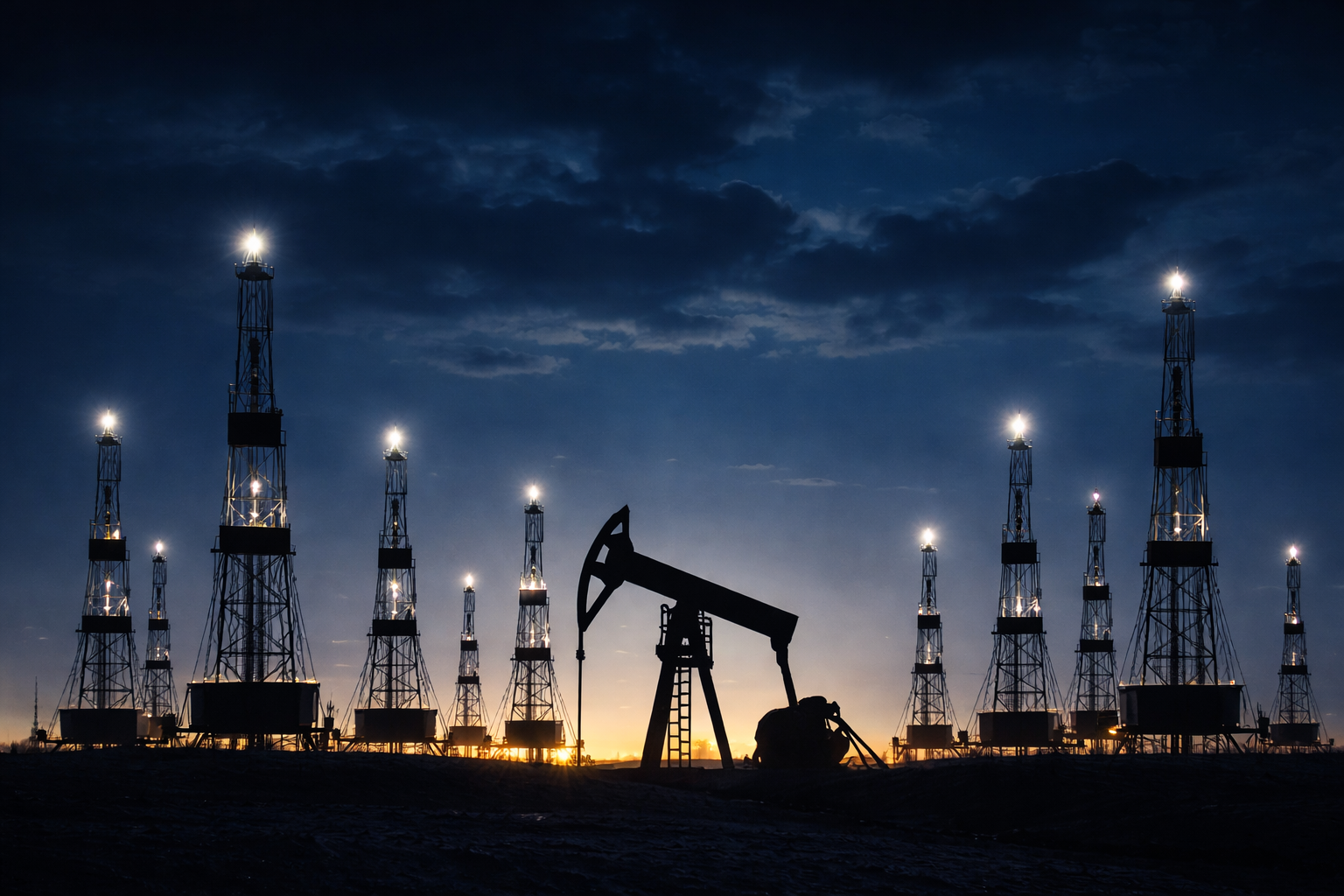
Energy Shock Ripples Across the Global Economy
The sharp rise in oil prices over the past three weeks is no longer confined to energy markets — it is spreading rapidly across the global economy. With crude benchmarks climbing more than 40% and refined fuel costs rising even faster, businesses across transportation, logistics, and manufacturing are facing mounting pressure.
Brent crude holding above $100 per barrel signals more than a short-term spike. It reflects a growing market consensus that supply risks tied to Middle East tensions could persist. As a result, the conversation is shifting from volatility to durability — how long elevated energy prices can last, and how deeply they will impact economic growth.
At the center of the disruption is the Strait of Hormuz, a critical chokepoint responsible for roughly 20% of global oil and gas flows. Any sustained disruption in this corridor has immediate consequences, not only for crude supply but also for refined products, amplifying the shock across multiple layers of the energy market.
Airlines Face Immediate Margin Pressure
The aviation sector is among the first to feel the impact of rising fuel costs. Jet fuel is one of the largest operating expenses for airlines, and recent price increases are already reshaping earnings expectations.
Major carriers such as Delta Air Lines and American Airlines have warned of significant cost increases in the current quarter, driven largely by fuel. In some regions, jet fuel prices have nearly doubled within weeks, forcing airlines to introduce higher ticket prices and fuel surcharges.
However, the ability to pass these costs on to consumers is limited. Competitive pressures and price-sensitive demand mean airlines must absorb part of the increase, leading to tighter margins. Over time, this could result in reduced flight capacity, delayed expansion plans, and weaker profitability across the industry.
Diesel Surge Disrupts Supply Chains
Beyond aviation, the surge in diesel prices is creating ripple effects across global supply chains. Diesel powers the majority of freight transport, from trucking and shipping to rail and agriculture.
As prices climb, logistics costs increase sharply. This directly impacts manufacturers, retailers, and exporters, all of whom rely on efficient transportation networks. Higher costs are gradually passed along the supply chain, ultimately reaching consumers through increased prices on goods and services.
Financial markets are already reflecting this pressure. Transportation and logistics stocks have shown signs of weakness, as investors reassess earnings outlooks in a higher-cost environment.
Rising Energy Costs Increase Risk of Demand Slowdown
As oil prices continue to rise, the risk of demand slowdown becomes more pronounced. When energy costs remain elevated, both businesses and consumers begin to adjust behavior, reducing consumption and delaying spending.
This dynamic can slow economic activity. Higher fuel and transportation costs act as a drag on growth, effectively functioning as a tax on the global economy.
The situation is further complicated by inflation. Elevated energy prices contribute directly to higher consumer prices, making it more difficult for central banks to ease monetary policy. Instead of supporting growth, policymakers may be forced to maintain tighter conditions for longer, increasing the risk of a broader economic slowdown.
Industries Adjust to a “Higher for Longer” Energy Environment
One of the most significant shifts in market sentiment is the growing expectation that oil prices could remain elevated for an extended period.
If supply disruptions continue, industries will be forced to adapt to a “higher for longer” energy environment. This could lead to structural changes, including cost-cutting measures, reduced output, and shifts in investment strategies.
Energy-intensive sectors such as manufacturing, transportation, and chemicals are particularly exposed. Prolonged cost pressure may reduce profitability and slow expansion, with wider implications for employment and economic output.
Forward Outlook: Temporary Spike or Prolonged Shock?
The outlook for oil prices will depend heavily on geopolitical developments and the stability of key supply routes. If tensions persist and disruptions continue, the global economy could face a prolonged period of elevated energy costs.
Such a scenario would have far-reaching consequences, from sustained inflation to slower global growth and increased financial market volatility. On the other hand, any meaningful de-escalation could ease supply concerns and stabilize prices more quickly than expected.
For markets, the focus remains clear: energy flows, infrastructure stability, and geopolitical signals will determine whether the current surge becomes a lasting economic headwind.
The Bottom Line
Oil’s surge is no longer just an energy story — it is a global economic risk.
Rising prices are increasing costs across industries.
Higher energy expenses are pressuring growth and inflation.
Until supply stabilizes or tensions ease, the global economy will remain exposed to the effects of elevated oil prices.
Comparison, examination, and analysis between investment houses
Leave your details, and an expert from our team will get back to you as soon as possible
* This article, in whole or in part, does not contain any promise of investment returns, nor does it constitute professional advice to make investments in any particular field.
To read more about the full disclaimer, click here
- Ronny Mor
- •
- 7 Min Read
- •
- ago 1 hour
SKN | Oil Prices Tumble as Trump Signals Possible De-Escalation With Iran
Oil markets reversed sharply as easing geopolitical tensions triggered a wave of selling, with crude prices falling after signals of
- ago 1 hour
- •
- 7 Min Read
Oil markets reversed sharply as easing geopolitical tensions triggered a wave of selling, with crude prices falling after signals of
- Ronny Mor
- •
- 6 Min Read
- •
- ago 7 hours
SKN | Will Oil Prices Surge Further as Trump’s Hormuz Ultimatum Raises Global Supply Risks?
Oil markets are entering a critical phase as geopolitical tensions escalate sharply, with prices hovering near multi-year highs. Brent crude
- ago 7 hours
- •
- 6 Min Read
Oil markets are entering a critical phase as geopolitical tensions escalate sharply, with prices hovering near multi-year highs. Brent crude

- Lior mor
- •
- 7 Min Read
- •
- ago 4 days
SKN | Oil Volatility Surges: Are Markets Pricing in a Prolonged Energy Crisis?
Crude oil markets are swinging sharply as geopolitical uncertainty collides with supply disruptions, leaving traders struggling to price in the
- ago 4 days
- •
- 7 Min Read

Crude oil markets are swinging sharply as geopolitical uncertainty collides with supply disruptions, leaving traders struggling to price in the

- orshu
- •
- 6 Min Read
- •
- ago 4 days
SKN | Energy Stocks Lead, but Market Breadth Weakens — Can One Sector Sustain the Rally?
Energy stocks have emerged as one of the strongest-performing segments in recent market activity, supported by stable commodity prices
- ago 4 days
- •
- 6 Min Read
Energy stocks have emerged as one of the strongest-performing segments in recent market activity, supported by stable commodity prices

