





- Lior mor
- •
- 6 Min Read
- •
- 2 weeks ago


Key Points
- The Hang Seng Index (^HSI) recorded a daily session decline of 1.01% (251.04 points) to close at 24,510.09, while extending a 5-day weekly net pullback of 0.97%.
- A dynamic trading session on the Hong Kong Stock Exchange saw the benchmark open at 24,523.50 and navigate an intraday channel between 24,275.56 and 24,537.14 from a previous close of 24,761.13.
- The index trades in the middle-to-upper spectrum of its 52-week corridor of 22,518.00 to 28,056.10, against a 3-month average daily volume of 3,058,990,476.
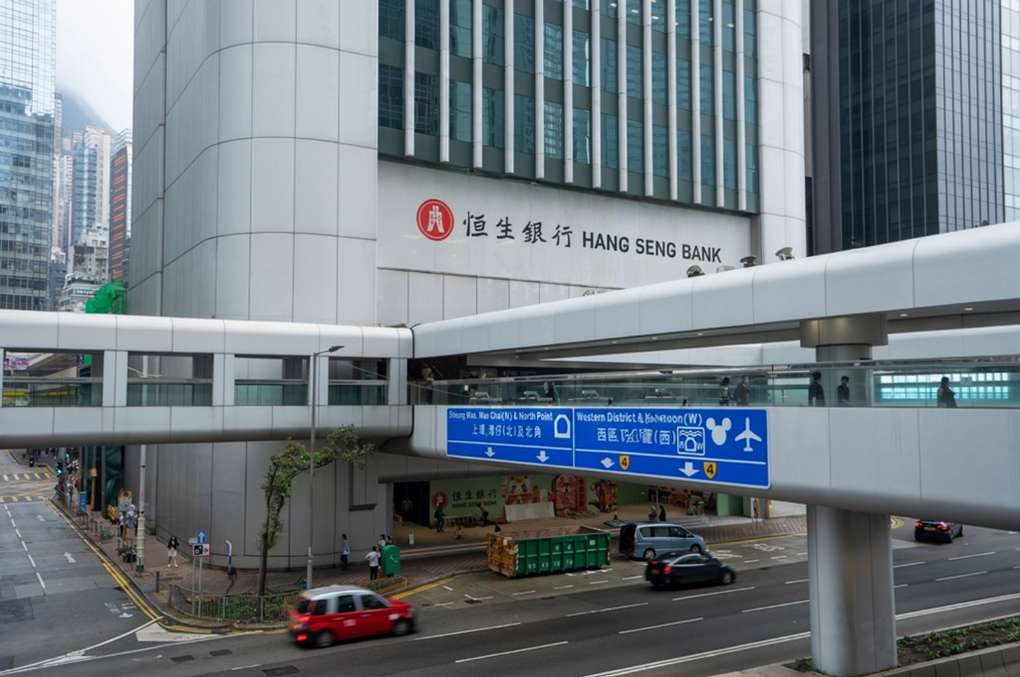
The Hang Seng Index (^HSI) finished the trading session on September 25, 2026, lower, dropping 1.01% (251.04 points) to settle near 24,510.09. The single-day decline extended a 5-day weekly net pullback of 0.97%, as Asian equity investors evaluated People’s Bank of China (PBOC) monetary stimulus guidance, Mainland China economic growth indicators, and earnings performance across major technology, financial, and real estate conglomerates. For global investors, including institutional asset managers in Israel tracking Asian mega-cap equity exposure, Chinese technology sector overlays, and multi-currency portfolio management, the Hang Seng Index serves as the premier benchmark for Hong Kong corporate execution and Asian capital market health.
Intraday Channel Navigation and 52-Week Range Metrics
During the September 25 session, the benchmark index opened at 24,523.50 and traversed an intraday trading channel bounded between a floor of 24,275.56 and a session peak of 24,537.14 before settling at 24,510.09. This represents a single-day reduction of 251.04 points (or 1.01%) relative to its previous close of 24,761.13. The 3-month average daily volume stands at 3,058,990,476. The closing quote leaves the Hong Kong flagship benchmark positioned in the middle-to-upper tier of its broader 52-week trading corridor of 22,518.00 to 28,056.10, confirming technical consolidation above key support baselines.
Hong Kong Corporate Heavyweights and Mainland China Drivers
A primary structural factor influencing recent Hang Seng performance is constituent execution across major internet technology giants, banking institutions, consumer discretionary leaders, and property developers. Shifts in Chinese domestic consumption, industrial output data, and regulatory policy updates continue to guide enterprise profit expectations. Global asset managers continue integrating Hong Kong equity overlays within broader strategic asset allocation models to capture Asian growth trends across resilient capital markets.
PBOC Monetary Trajectory, HKD FX Dynamics, and Macro Risks
While near-term technical support above 24,275.56 has held, market participants continue closely tracking potential macroeconomic friction points. Key variables include PBOC liquidity injections, U.S. Federal Reserve monetary policy spillover effects under the Hong Kong Dollar linked exchange rate system, and persistent currency volatility across foreign exchange channels relative to the U.S. Dollar, Euro, and Israeli Shekel. Furthermore, geopolitical developments and global trade policy adjustments introduce ongoing variables for cross-border corporate revenue translation. Israeli institutional allocators managing multi-currency portfolios remain focused on tracking these macroeconomic variables to evaluate risk-adjusted return profiles accurately.
Outlook: The outlook for the Hang Seng Index remains neutrally balanced, with technical momentum favoring a period of cautious consolidation near core support baselines to foster broader economic stabilization. Sustainable upside expansion toward its 52-week peak past 28,056.10 will likely depend on verified enterprise profit acceleration, sustained macroeconomic stimulus, and steady international trade activity. However, professional asset allocators should remain highly attentive to prominent downside risks, including potential foreign exchange rate shifts, real estate sector adjustments, or broader Asian market pullbacks. Ultimately, future index performance will depend on the delicate balance between Chinese economic execution and evolving global macroeconomic conditions.
Comparison, examination, and analysis between investment houses
Leave your details, and an expert from our team will get back to you as soon as possible
* This article, in whole or in part, does not contain any promise of investment returns, nor does it constitute professional advice to make investments in any particular field.
To read more about the full disclaimer, click here
- orshu
- •
- 7 Min Read
- •
- ago 2 hours
SKN | Global Markets Wrap: October 8, 2026 – Nasdaq and Asian Stocks Fall as Tel Aviv Turns Mixed; Outlook for October 9
Global markets were mixed to lower on October 8, as the Nasdaq and major Asian indices declined while U.S. market
- ago 2 hours
- •
- 7 Min Read

Global markets were mixed to lower on October 8, as the Nasdaq and major Asian indices declined while U.S. market

- Ronny Mor
- •
- 7 Min Read
- •
- ago 4 hours
SKN | Asian Markets Decline on Friday as KOSPI, Sensex and Hang Seng Lead Losses
Asian markets are trading mostly lower in the Friday morning session, with six of the seven listed equity benchmarks posting
- ago 4 hours
- •
- 7 Min Read

Asian markets are trading mostly lower in the Friday morning session, with six of the seven listed equity benchmarks posting

- omer bar
- •
- 7 Min Read
- •
- ago 6 hours
SKN | Can Flexible Data Center Power Use Save the U.S. Grid Billions?
Technology companies and utilities are increasingly examining whether data centers can become more flexible consumers of electricity as artificial
- ago 6 hours
- •
- 7 Min Read

Technology companies and utilities are increasingly examining whether data centers can become more flexible consumers of electricity as artificial

- sagi habasov
- •
- 6 Min Read
- •
- ago 6 hours
SKN | SpaceX Targets U.S. Wireless Carriers With Nationwide Spectrum Acquisition
SpaceX is expanding its ambitions in the U.S. telecommunications market with an agreement to acquire a nationwide low-band spectrum
- ago 6 hours
- •
- 6 Min Read

SpaceX is expanding its ambitions in the U.S. telecommunications market with an agreement to acquire a nationwide low-band spectrum

