





- Arik Arkadi Sluzki
- •
- 8 Min Read
- •
- 11 hours ago
Key Points
- The Hang Seng Index (^HSI) gained approximately 3.53% over the Monday-to-Friday trading week, closing at 24,175.12.
- Hong Kong equities staged a robust mid-week breakout, supported by a 0.60% daily gain on Friday, reflecting improving institutional risk sentiment.
- Despite the strong recovery, investors continue monitoring mainland economic data, property sector restructuring, and monetary policy for signs of sustained momentum.
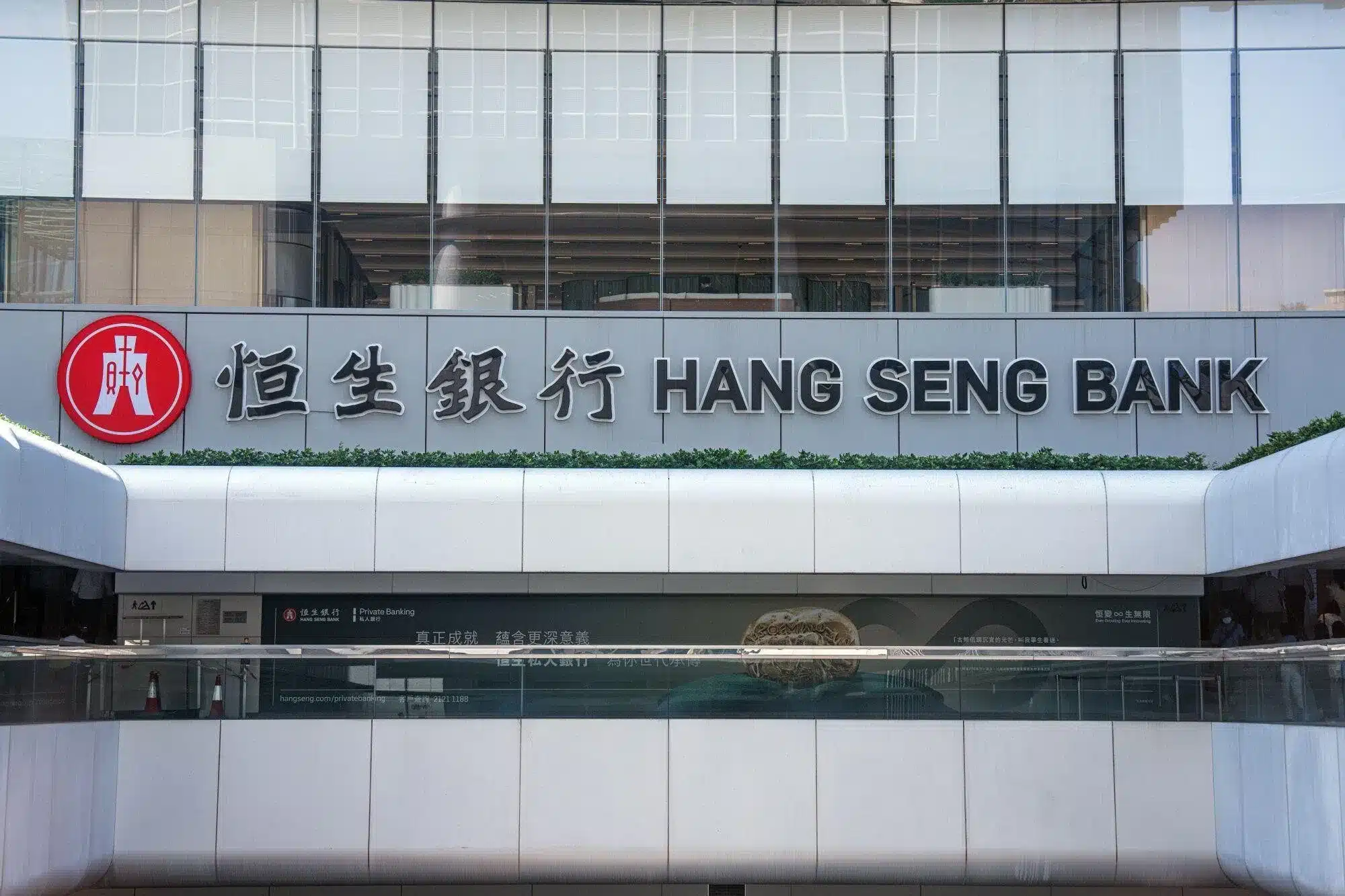
Hong Kong equities ended the trading week with a strong net advance, as the Hang Seng Index climbed approximately 3.53% from Monday through Friday to close at 24,175.12. The weekly gain materialized following a sharp multi-day rally, as global investors navigated shifting expectations surrounding China’s economic recovery, technology sector valuations, and regional liquidity measures. The robust upward movement highlights a renewed willingness among institutional allocators to build exposure in Asian markets, although broader macroeconomic uncertainties continue to temper unbridled enthusiasm.
Technology and Financial Sectors Lead the Mid-Week Breakout
The Hang Seng Index experienced highly constructive price action throughout the week. After opening with moderate consolidation near the 23,500 level, the benchmark staged a decisive breakout that lifted the index significantly higher, peaking near 24,500 before settling at 24,175.12. This upward trajectory was largely underpinned by targeted institutional buying within the heavily weighted technology and internet sectors, alongside speculative support for mainland financial institutions anticipating targeted stimulus.
Hong Kong’s market remains heavily influenced by the performance of its dominant tech conglomerates and property developers. As concerns surrounding mainland regulatory frameworks continued to stabilize, investors selectively returned to large-cap equities, viewing discounted valuations as strategic asset entries and providing substantial structural support for the broader index.
Nevertheless, market participants remain highly disciplined, recognizing that valuation expansions remain sensitive to future earnings clarity and concrete evidence of a sustainable recovery in domestic consumption.
Global Macro Conditions and Mainland Linkages Shape Sentiment
The week’s positive momentum also reflected evolving expectations that global financial conditions may become more accommodative if inflation in Western markets continues to moderate. Lower expectations for further aggressive monetary tightening by the Federal Reserve generally support Hong Kong equities by preserving the Hong Kong Dollar’s peg dynamics and encouraging a greater appetite for emerging market risk assets.
However, several structural macro risks remain deeply embedded. Ongoing U.S.-China trade frictions, evolving supply-chain policies, and localized debt restructuring efforts continue to heavily influence international portfolio positioning. Because Hong Kong serves as the primary financial conduit for mainland China, fluctuations in Beijing’s policy directives can quickly alter capital flows, occasionally introducing a distinct geopolitical premium into regional asset pricing.
Foreign exchange dynamics also remain an important variable, as shifting yield spreads and localized currency volatility across the broader Asian region could influence export competitiveness and foreign direct investment flows.
Policy Announcements and Earnings Will Be the Next Major Test
Attention is increasingly shifting toward upcoming macroeconomic data releases from Beijing and corporate earnings guidance, which serve as primary structural drivers for the Hang Seng. Investors will be watching closely for evidence that state-backed liquidity injections, infrastructure spending, and consumer stimulus remain supportive of long-term economic normalization.
While the week’s robust 3.53% gain demonstrates that investor sentiment has shifted favorably, analysts continue to emphasize that a prolonged bull market will likely require stronger fundamental confirmation rather than multiple expansion alone. Elevated global interest rates, strained regional fiscal outlooks, and persistent geopolitical uncertainty could still generate periods of heightened market volatility, continually testing resilient corporate fundamentals.
Outlook: Looking ahead, the Hang Seng’s medium-term direction will likely depend on a combination of global technology demand, mainland China’s economic stabilization, global monetary policy developments, and corporate earnings execution. Continued resilience in the technology sector could provide additional support for the index to test the upper bounds of its 52-week range of 22,518.00 to 28,056.10, while renewed spikes in global trade tensions or property sector defaults may limit upside potential. For global and Israeli institutional investors, Hong Kong equities remain a critical, albeit volatile, gateway to Asian growth, but maintaining a highly balanced approach toward both opportunities and systemic downside risks remains essential as macroeconomic conditions continue to evolve.
Comparison, examination, and analysis between investment houses
Leave your details, and an expert from our team will get back to you as soon as possible
* This article, in whole or in part, does not contain any promise of investment returns, nor does it constitute professional advice to make investments in any particular field.
To read more about the full disclaimer, click here
- Lior mor
- •
- 7 Min Read
- •
- ago 4 hours
SKN | TA 35 Declines 1.66% for the Week as Macro Risks Outweigh Marginal Late-Session Gains
Israeli equities ended the trading week with a net decline, as the TA 35 Index fell 1.66% to settle at
- ago 4 hours
- •
- 7 Min Read

Israeli equities ended the trading week with a net decline, as the TA 35 Index fell 1.66% to settle at

- Arik Arkadi Sluzki
- •
- 7 Min Read
- •
- ago 5 hours
SKN | TA 125 Declines 2.26% for the Week as Macro Risks and Geopolitical Pressures Weigh on Israeli Equities
Israeli equities ended the trading week with a net decline, as the TA 125 Index fell 2.26% to settle
- ago 5 hours
- •
- 7 Min Read

Israeli equities ended the trading week with a net decline, as the TA 125 Index fell 2.26% to settle

- sagi habasov
- •
- 6 Min Read
- •
- ago 5 hours
SKN | TA-RealEstate Index Drops 4.04% for the Week as Elevated Rates and Macro Risks Pressure Israeli Developers
Israeli real estate equities ended the trading week with a pronounced net decline, as the TA-RealEstate Index fell 4.04%
- ago 5 hours
- •
- 6 Min Read
Israeli real estate equities ended the trading week with a pronounced net decline, as the TA-RealEstate Index fell 4.04%

- orshu
- •
- 8 Min Read
- •
- ago 5 hours
SKN | TA Banks 5 Index Advances 2.73% for the Week as Domestic Financials Demonstrate Resilience
Israeli financial markets ended the trading week with a pronounced net advance, as the TA Banks 5 Index climbed approximately
- ago 5 hours
- •
- 8 Min Read
Israeli financial markets ended the trading week with a pronounced net advance, as the TA Banks 5 Index climbed approximately


