





- Ronny Mor
- •
- 8 Min Read
- •
- 8 hours ago
Key Points
- GSK has agreed to acquire U.S.-based biotechnology company Nuvalent for approximately $10.6 billion, marking the largest acquisition in the company's history.
- The deal strengthens GSK’s oncology pipeline with two late-stage lung cancer treatments that could receive U.S. regulatory approval this year.
- The acquisition represents another major step in GSK’s long-term effort to rebuild its cancer business after exiting the sector nearly a decade ago.
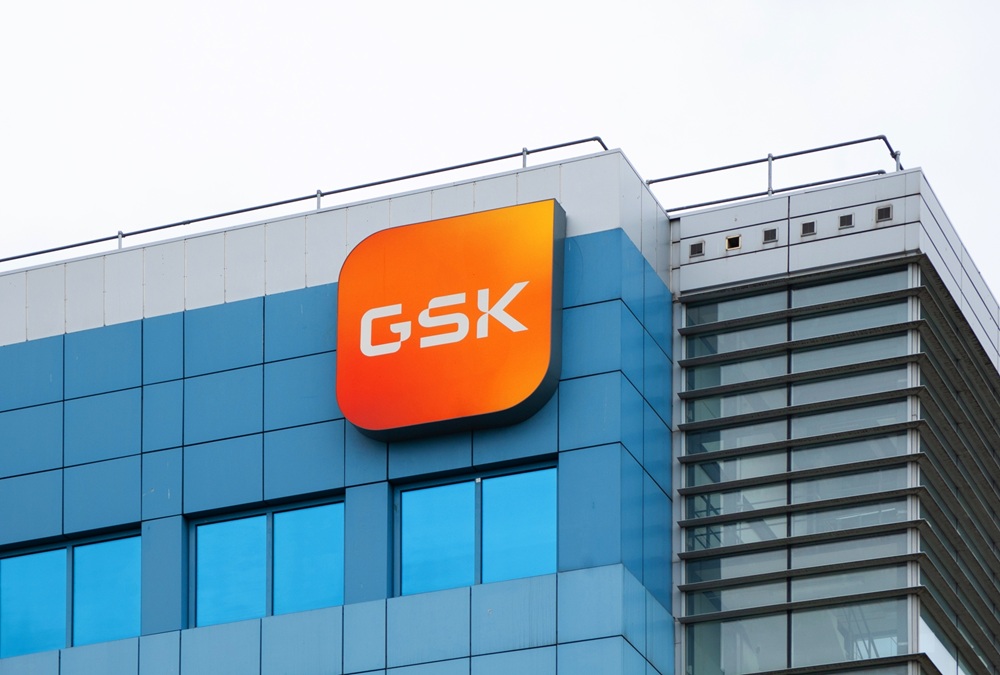
GSK has announced a landmark $10.6 billion acquisition of U.S. biotechnology company Nuvalent, underscoring the British pharmaceutical giant’s determination to expand its position in the highly competitive oncology market.
The transaction, internally codenamed “Project Nashville,” is expected to close during the third quarter and represents the largest acquisition in GSK’s corporate history.
The deal delivers two promising late-stage lung cancer therapies that could potentially receive regulatory approval in the United States before the end of the year, immediately strengthening GSK’s oncology portfolio.
Accelerating the Oncology Rebuild
The acquisition aligns closely with the strategic priorities of CEO Luke Miels, who assumed leadership earlier this year and has identified oncology as a key growth area for the company.
GSK exited the oncology business in 2015 through a multibillion-dollar asset swap with Novartis, choosing at the time to focus on vaccines, respiratory treatments, and consumer healthcare. Many investors and industry observers later questioned that decision as oncology became one of the fastest-growing segments of the pharmaceutical industry.
Since then, the company has steadily worked to rebuild its cancer drug portfolio through a series of acquisitions, partnerships, and licensing agreements.
The Nuvalent acquisition represents the most significant step yet in that rebuilding process.
A Strategic Response to Future Revenue Pressures
Beyond expanding its oncology presence, the acquisition also helps address longer-term concerns surrounding patent expirations within GSK’s HIV portfolio.
Several of the company’s key HIV therapies face future exclusivity challenges that could impact revenue growth later in the decade. By adding new oncology assets with significant commercial potential, GSK is diversifying its future revenue streams while reducing dependence on a smaller number of blockbuster products.
Analysts estimate that GSK’s pharmaceutical business will generate approximately £34 billion in revenue this year, making future growth opportunities increasingly important.
Two Lung Cancer Therapies Drive the Deal
Nuvalent’s most attractive assets are two advanced lung cancer treatments targeting specific genetic mutations known as ROS1 and ALK.
These therapies are designed to compete against established treatments currently marketed by major pharmaceutical companies, including Pfizer and Roche.
While analysts caution that neither drug currently appears destined to become a mega-blockbuster, many believe they possess strong commercial potential due to their targeted approach and potential advantages in tolerability and long-term treatment outcomes.
Industry observers estimate the two medicines could eventually generate peak annual sales of between $3 billion and $4 billion if successfully commercialized.
Competitive Pressure Remains Intense
Despite the acquisition, GSK still trails oncology leaders such as Roche, Merck, and AstraZeneca, all of which maintain extensive cancer treatment portfolios and significant market share.
Many investors view the Nuvalent purchase as an important milestone rather than a final solution.
The oncology market remains one of the most competitive sectors in healthcare, requiring constant innovation, substantial research investment, and strategic acquisitions to maintain relevance.
Some analysts believe additional transactions may be necessary if GSK hopes to narrow the gap with industry leaders over the coming decade.
Investor Reaction Reflects Long-Term Focus
Investors have largely viewed the acquisition as strategically sensible, although the size of the commitment reflects a significant escalation in GSK’s oncology ambitions.
The 40% acquisition premium suggests strong competition for Nuvalent’s assets, highlighting the scarcity of late-stage oncology companies with promising therapies nearing regulatory approval.
The deal also reinforces management’s confidence in oncology as one of the company’s primary growth engines through the next decade.
Outlook
The acquisition of Nuvalent marks a pivotal moment in GSK’s effort to rebuild its cancer franchise and strengthen its long-term growth profile. While the company remains behind industry leaders in oncology, the addition of two late-stage lung cancer candidates provides meaningful commercial opportunities and helps offset future patent-related revenue pressures.
If successfully integrated and approved, Nuvalent’s therapies could become important contributors to GSK’s future growth strategy while signaling that the company is prepared to make increasingly bold moves in pursuit of a stronger position within the global oncology market.
Comparison, examination, and analysis between investment houses
Leave your details, and an expert from our team will get back to you as soon as possible
* This article, in whole or in part, does not contain any promise of investment returns, nor does it constitute professional advice to make investments in any particular field.
To read more about the full disclaimer, click here
- Lior mor
- •
- 8 Min Read
- •
- ago 3 weeks
SKN | Memphis Advances Circular Economy Through Community Partnerships and Sustainable Innovation
Memphis is emerging as a growing example of how local organizations, corporations, and community leaders can work together to build
- ago 3 weeks
- •
- 8 Min Read
Memphis is emerging as a growing example of how local organizations, corporations, and community leaders can work together to build

- Ronny Mor
- •
- 8 Min Read
- •
- ago 4 weeks
SKN | Hantavirus Outbreak Is Not Another COVID Pandemic but Experts Say It Is Testing US Preparedness
US and global health officials continue emphasizing that the current hantavirus outbreak does not pose the same type of widespread
- ago 4 weeks
- •
- 8 Min Read
US and global health officials continue emphasizing that the current hantavirus outbreak does not pose the same type of widespread


