




- Lior mor
- •
- 6 Min Read
- •
- 1 week ago


Key Points
- Google introduced Gemini 4 Argon, its latest advanced AI model designed for complex reasoning and enterprise applications.
- The model highlights Google’s continued investment in artificial intelligence as competition intensifies among leading technology companies.
- Market attention is shifting toward how advanced AI models can generate commercial value through cloud services, software and business automation.
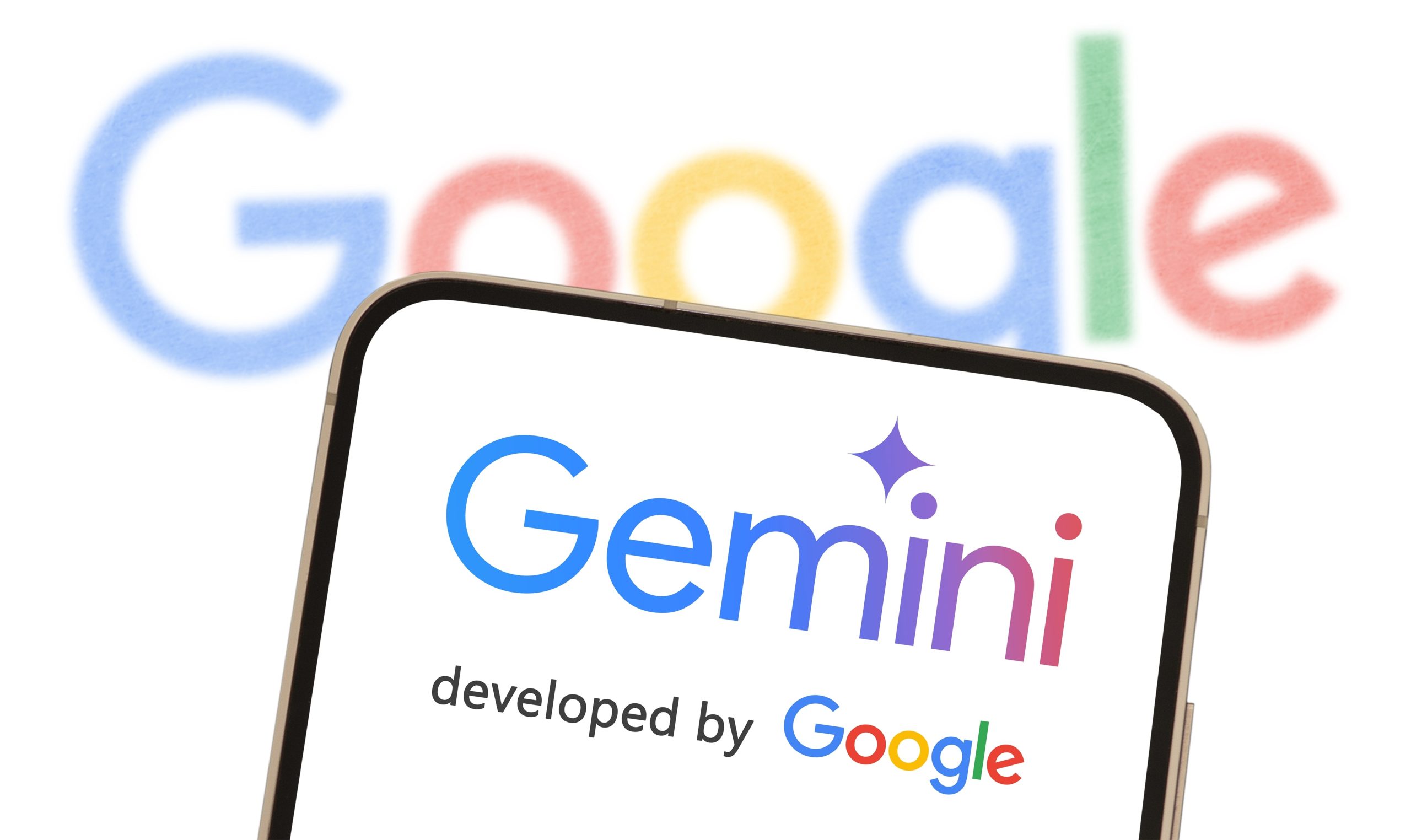
Google has introduced Gemini 4 Argon, a new generation artificial intelligence model that strengthens the company’s position in the rapidly expanding AI market. The launch comes as global technology companies continue increasing investments in advanced computing infrastructure, AI research and enterprise solutions, with businesses seeking practical applications that can improve productivity and decision-making.
Google Expands Gemini Platform in Global AI Race
Gemini 4 Argon represents Google’s latest effort to compete in the frontier AI market, where companies are focused on developing models capable of handling increasingly complex tasks. The model is designed for advanced applications including software development, data analysis, business processes and other areas that require higher levels of reasoning and automation.
The launch reflects a broader shift in the technology industry. While earlier AI adoption focused largely on consumer-facing tools, companies are increasingly targeting enterprise customers that require reliable AI systems capable of supporting professional workflows. This transition has created new opportunities for cloud providers, semiconductor companies and software platforms that support AI deployment.
Google’s AI strategy is closely linked to its broader ecosystem, including cloud computing, data infrastructure and digital services. The company is competing with other major technology firms that are also investing heavily in large language models and AI-powered products.
Enterprise Adoption Becomes the Key Growth Opportunity
The commercial impact of Gemini 4 Argon will depend on how quickly organizations integrate advanced AI tools into their operations. Businesses are evaluating AI solutions for applications such as customer service, research, cybersecurity, software engineering and internal productivity.
For technology companies, the challenge is moving beyond model development toward sustainable revenue generation. Building powerful AI systems requires significant investment in computing capacity, specialized chips and data centers, creating pressure to demonstrate long-term business returns.
The growth of AI infrastructure has already influenced the semiconductor sector, with increased demand for high-performance processors, memory solutions and networking equipment. As AI models become more capable, the supporting technology ecosystem remains a major focus for investors monitoring the sector.
AI Competition Raises Strategic Questions for Technology Markets
The introduction of Gemini 4 Argon highlights the increasing competition between Google and other AI developers seeking leadership in advanced artificial intelligence. Companies are competing not only on model performance but also on distribution, integration with existing products and the ability to attract enterprise customers.
At the same time, the expansion of AI technology brings challenges related to costs, regulation, cybersecurity and responsible deployment. Companies developing advanced models must balance innovation with operational efficiency and risk management.
Going forward, investors will monitor Gemini 4 Argon’s adoption rates, integration across Google’s product ecosystem and the broader pace of enterprise AI spending. The ability of technology companies to convert AI capabilities into measurable business growth is expected to remain a central factor shaping the next phase of the global technology market.
Comparison, examination, and analysis between investment houses
Leave your details, and an expert from our team will get back to you as soon as possible
* This article, in whole or in part, does not contain any promise of investment returns, nor does it constitute professional advice to make investments in any particular field.
To read more about the full disclaimer, click here
- orshu
- •
- 8 Min Read
- •
- ago 13 hours
SKN | From a $1.65 Billion Acquisition to a Digital Advertising Powerhouse: How YouTube Transformed Google’s Business
Google's acquisition of YouTube in October 2006 stands as a defining transaction in the evolution of digital media, transforming
- ago 13 hours
- •
- 8 Min Read

Google's acquisition of YouTube in October 2006 stands as a defining transaction in the evolution of digital media, transforming

- omer bar
- •
- 6 Min Read
- •
- ago 14 hours
SKN | Telecom Stocks Slide as SpaceX Spectrum Deal Raises New Competitive Threat
U.S. and European telecommunications stocks came under pressure on Friday after SpaceX’s acquisition of low-band spectrum intensified concerns that
- ago 14 hours
- •
- 6 Min Read

U.S. and European telecommunications stocks came under pressure on Friday after SpaceX’s acquisition of low-band spectrum intensified concerns that

- Ronny Mor
- •
- 6 Min Read
- •
- ago 14 hours
SKN | Nvidia Weighs Deeper Investment or Acquisition of Reflection AI as AI Competition Intensifies
Nvidia is exploring a deeper relationship with Reflection AI, including the possibility of acquiring the open-source artificial intelligence startup,
- ago 14 hours
- •
- 6 Min Read
Nvidia is exploring a deeper relationship with Reflection AI, including the possibility of acquiring the open-source artificial intelligence startup,

- sagi habasov
- •
- 6 Min Read
- •
- ago 14 hours
SKN | Venezuela Authorizes Starlink to Operate as SpaceX Expands Satellite Internet Reach
Venezuela has authorized Starlink, the satellite internet service operated by Elon Musk’s SpaceX, to begin operating in the country,
- ago 14 hours
- •
- 6 Min Read

Venezuela has authorized Starlink, the satellite internet service operated by Elon Musk’s SpaceX, to begin operating in the country,
