




- omer bar
- •
- 6 Min Read
- •
- 5 hours ago


Key Points
- Google DeepMind says Gemini 4 has entered the early post-training stage, with an initial version expected to be released as soon as possible.
- DeepMind leadership expects the flagship model to launch well before the end of 2026, followed by rapid iterations and upgrades.
- The release could become an important test of Alphabet’s AI strategy as Google competes with Anthropic and OpenAI for leadership in advanced AI models.
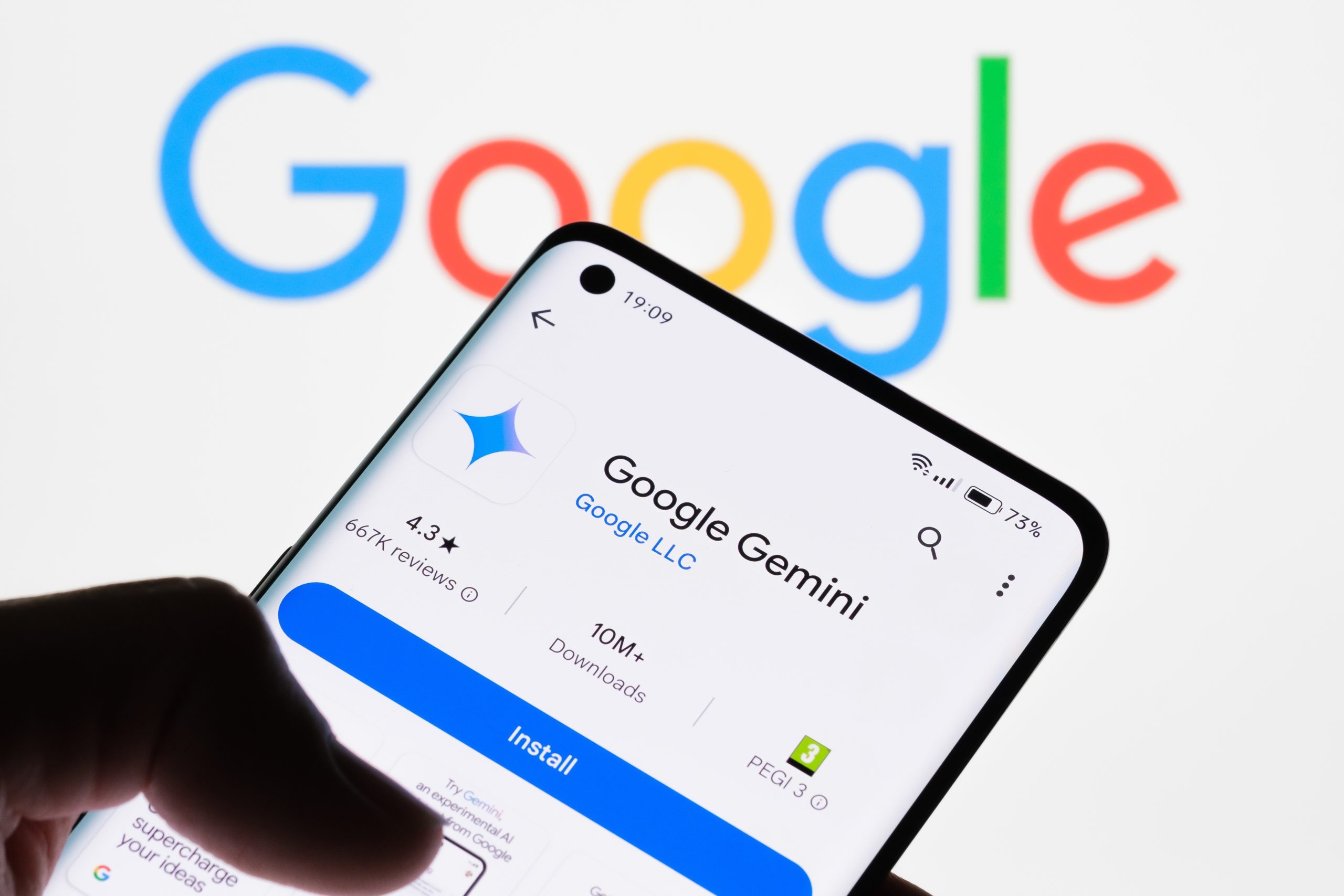
Google is accelerating development of Gemini 4 as competition among the world’s leading AI companies intensifies. The next-generation model is already in early post-training, according to Google DeepMind chief Koray Kavukcuoglu, who said the company intends to release an initial version quickly and aims to launch the model well before the end of the year.
Gemini 4 Moves Into the Post-Training Phase
Gemini 4 has moved beyond the initial training stage and into post-training, a phase in which the underlying model is refined and fine-tuned to improve performance, reliability and its ability to respond effectively to users. Kavukcuoglu said Google is already seeing promising results and wants to make an early post-training version available as soon as possible.
The approach marks a shift toward faster model development cycles. Rather than waiting for a fully optimized version before making the technology available, Google plans to release an early iteration and continue improving it rapidly. The strategy reflects the increasingly competitive pace of the AI industry, where new models are being evaluated against rivals soon after release.
Google Wants to Close the Gap With AI Rivals
The timing of Gemini 4 is significant for Alphabet. Google remains one of the largest AI infrastructure and software players, but competition from Anthropic and OpenAI has intensified as businesses increasingly evaluate models based on reasoning, coding, agentic capabilities and reliability.
Alphabet CEO Sundar Pichai previously said Google had begun what it described as its most ambitious Gemini 4 pre-training effort and that the company wanted the model to compete at the frontier level when it arrived. The latest comments indicate that development has progressed into a later stage, although Google has not provided a specific public release date.
Gemini 4 Could Become a Test of Alphabet’s AI Investment
For Alphabet, the importance of Gemini 4 extends beyond the performance of a single model. Google has been investing heavily in AI infrastructure, data centers, custom chips and product integration across Search, Cloud and other businesses. A competitive flagship model could strengthen the commercial case for those investments by supporting demand for Google Cloud services and expanding the use of Gemini across Google’s consumer and enterprise products.
The company’s recent model releases also show how quickly AI capabilities are evolving. Google has continued to introduce new Gemini Flash versions, including Gemini 3.8 Flash in September, while the development of Gemini 4 represents a move toward a larger frontier model designed to compete at the highest level.
The next major focus will be the quality of the initial Gemini 4 release rather than the timing alone. Investors and enterprise customers will be watching independent benchmarks, coding and reasoning performance, adoption across Google products and demand for Gemini-related Cloud services. A rapid release followed by frequent upgrades could allow Google to respond more quickly to competitors, but the model will ultimately be judged by measurable performance and commercial adoption. For Alphabet, Gemini 4 therefore represents both a product launch and an important test of whether its large-scale AI investment can translate into sustained competitive momentum.
Comparison, examination, and analysis between investment houses
Leave your details, and an expert from our team will get back to you as soon as possible
* This article, in whole or in part, does not contain any promise of investment returns, nor does it constitute professional advice to make investments in any particular field.
To read more about the full disclaimer, click here
- sagi habasov
- •
- 7 Min Read
- •
- ago 4 hours
SKN | Mark Zuckerberg’s Muse Business Model: Can Free AI Become a New Revenue Engine for Meta?
Mark Zuckerberg is positioning Meta’s new AI agent Muse around a business model that differs from the subscription-heavy approach used
- ago 4 hours
- •
- 7 Min Read

Mark Zuckerberg is positioning Meta’s new AI agent Muse around a business model that differs from the subscription-heavy approach used

- Ronny Mor
- •
- 6 Min Read
- •
- ago 7 hours
SKN | PayPal Partners With Meta’s Muse AI: Could Agentic Commerce Create a New Growth Channel?
PayPal is partnering with Meta to bring its payment network into Muse, Meta’s personal AI assistant, allowing users to shop
- ago 7 hours
- •
- 6 Min Read

PayPal is partnering with Meta to bring its payment network into Muse, Meta’s personal AI assistant, allowing users to shop

- Lior mor
- •
- 6 Min Read
- •
- ago 7 hours
SKN | Amazon’s Carbon Challenge: Can the E-Commerce Giant Reach Net Zero as AI Drives Energy Demand?
Amazon’s scale makes its climate challenge unusually difficult: the company operates a vast logistics network while AWS is rapidly expanding
- ago 7 hours
- •
- 6 Min Read

Amazon’s scale makes its climate challenge unusually difficult: the company operates a vast logistics network while AWS is rapidly expanding

- omer bar
- •
- 8 Min Read
- •
- ago 10 hours
SKN | Could Qualcomm’s Next-Generation Snapdragon Chips Turn Agentic AI Into a New Growth Driver?
Qualcomm Pushes Snapdragon Into the Agentic AI Era Qualcomm is strengthening its premium smartphone portfolio with two new flagship mobile
- ago 10 hours
- •
- 8 Min Read

Qualcomm Pushes Snapdragon Into the Agentic AI Era Qualcomm is strengthening its premium smartphone portfolio with two new flagship mobile
